

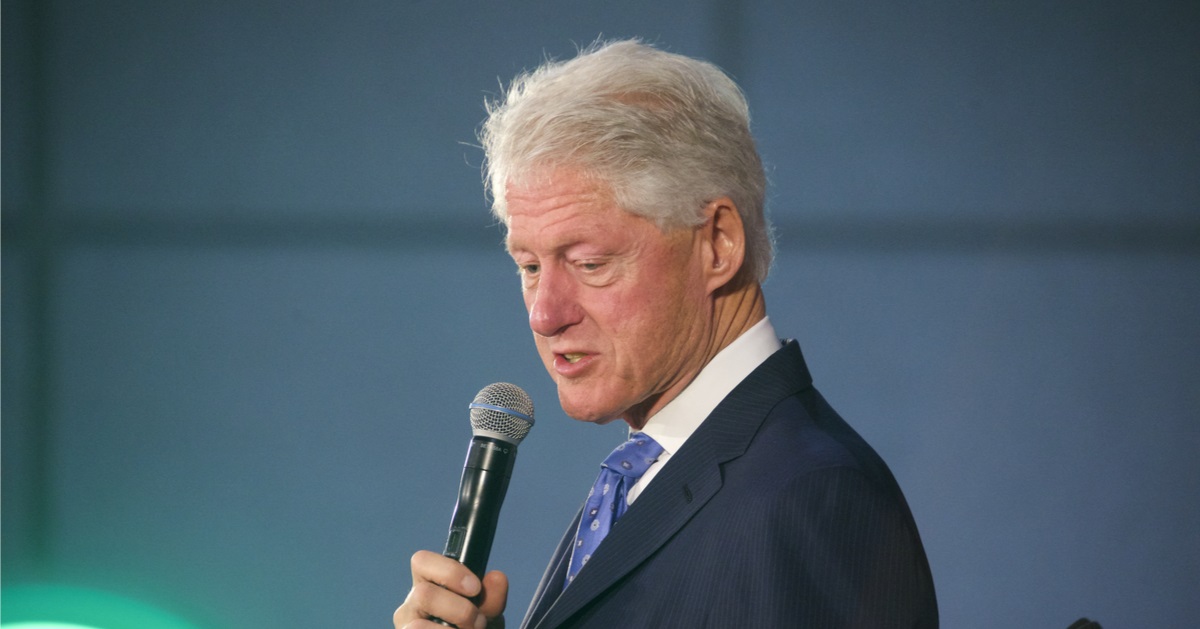
Former President Bill Clinton and former Secretary of State Hillary Clinton will give private sworn depositions to the House Oversight Committee in Chappaqua, New York on Feb. 26 and Feb. 27 as part of the GOP-led investigation into Jeffrey Epstein, after resisting subpoenas and the threat of contempt.
The Clintons did not volunteer to sit for these sessions. Their initial resistance forced the committee into issuing subpoenas and threatening contempt proceedings, and only then did both agree to recorded, private depositions in Chappaqua, New York on Feb. 26 and Feb. 27.
The moment is unprecedented: the appearance marks the first time a former U.S. president is compelled to testify under subpoena in such an inquiry. That alone makes the moment historic. That it involves the Clintons and Epstein makes it something else entirely.
Oversight Chair Rep. James Comer insisted on in-person, recorded depositions rather than written submissions, and for good reason. Written answers are filtered through lawyers and polished into statements that avoid the rough edges of real testimony, while recorded sessions create a sworn record and a transcript that can be tested.
Hillary Clinton pushed for public testimony, but Comer rejected that approach. Public hearings can become stages where witnesses perform and shape a narrative for cameras, which is why closed-door depositions are often the better tool for getting blunt answers without theatrics.
This probe is about more than headlines and gavel-banging TV moments. It aims to map Epstein’s network, identify who moved within it, and establish why accountability has been so limited after years of allegations, a jail death, and one key conviction of an associate.
The Clintons are not the only names tied to Epstein’s circle, but they are among the most prominent, so their sworn words will carry weight. A congressional committee with subpoena power is one of the few institutions that can force answers from people who would rather not provide them, and that power was necessary here.
For years the Epstein story has smelled of quiet deals and selective forgetfulness by institutions that should protect victims and pursue the facts. Victims deserve a process that does not bend to status or influence, and a committee willing to subpoena high-profile figures sends a stronger message about equal accountability.
Because the depositions are closed, the public will not see testimony live, but transcripts can be released later and pressure to publish them will be intense. What the Clintons say under oath will likely surface one way or another, and those transcripts will test claims, denials, and the completeness of previous statements.
The legal chess match that led to these depositions also reveals how reluctant powerful people can be to face direct, recorded questions, even when they have teams of lawyers. The subpoenas did their job; they turned resistance into a sworn record, which is exactly the point of congressional subpoena authority.
This inquiry matters because it uses formal tools to pry open a story that has long been shrouded in secrecy and privilege. The goal here is simple and direct: get answers, build a record, and let the facts speak without the shield of celebrity or polished statements. The next steps will be guided by what appears on those transcripts and how aggressively the committee follows any new leads.

