

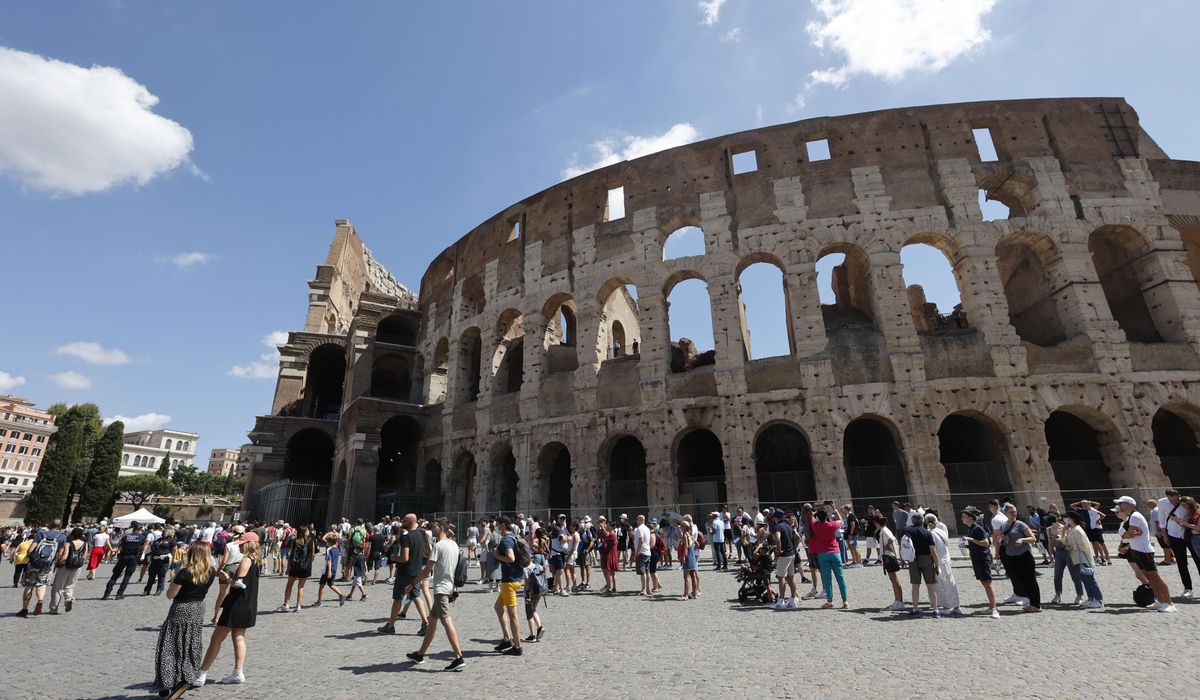
The man who just took charge of Rome’s top tourist attraction wants to set the record straight: the Colosseum won’t be hosting any electronic dance music parties on his watch. This piece looks at why that decision matters, how it fits into broader stewardship of ancient sites, and what alternatives are being considered for events in Rome. Expect plain, direct language about preservation, safety, and the visitor experience.
The new director’s stance is straightforward and firm. He is focused on protecting the Colosseum’s structure and dignity, and he made clear that raves or similar high-energy club events are off the table. That position responds to both public concern and professional responsibility for a world heritage site.
Archaeological conservation sits at the heart of the argument against electronic dance music parties. The Colosseum is fragile after centuries of exposure, and loud, crowded events create risks from vibration, trampling, and inadequate crowd control. Conservation specialists warn that even short-term wear can accelerate long-term damage.
Beyond the stones themselves, the atmosphere of the monument matters. The Colosseum is a symbol of Roman history and cultural memory, and the new director believes events should respect that lineage. Transforming the space into a high-decibel dance venue would clash with the site’s identity and the expectations of many visitors.
Public safety adds another strong reason to decline those types of events. Managing large, late-night crowds in and around an ancient amphitheater raises complex logistical and emergency planning challenges. The new leadership is prioritizing measures that reduce risk rather than introducing new, unnecessary hazards.
Local residents and nearby businesses also factor into the decision. Nighttime festivals with loud music can disturb neighborhoods and strain municipal services, from policing to sanitation. The director appears intent on balancing tourist appeal with quality of life for the people who live close to the monument.
Financial incentives often drive promoters toward iconic sites, but the director is weighing revenue against preservation costs. Short-term gains from ticket sales could be eaten up by long-term conservation expenses and reputational harm. He seems determined to avoid a cycle where profit undermines the very asset that draws visitors in the first place.
There is also a question of precedent. Allowing one high-profile, unconventional event sets a template that other organizations might expect to follow. The director is signaling a clear boundary so Rome’s authorities and event planners understand that the Colosseum is not an open-call venue for every trendy spectacle.
That said, the ban on electronic dance music parties does not mean the Colosseum will be closed to cultural activity. The new leadership is exploring controlled, low-impact uses that align with the site’s character, such as curated concerts, lectures, and educational programs. These alternatives aim to keep the landmark active without compromising its integrity.
Tourism strategy plays into the calculus as well. Visitors come to the Colosseum for a sense of history, not a club night, and the director is tailoring policies around that expectation. Enhancing daytime experiences, improving interpretive resources, and controlling visitor flows are all part of a plan to keep tourists satisfied while protecting the monument.
Officials are also mindful of legal and regulatory frameworks that govern heritage sites. Permitting for events must pass through preservation authorities and municipal oversight, and the new director appears ready to enforce those rules strictly. This approach reduces ambiguity about what can happen inside the site and under what conditions.
Event promoters will need to find alternative venues that can handle high-energy crowds and loud music without risking priceless archaeology. Rome has modern spaces designed for concerts and festivals, and the city can direct big, noisy events toward those facilities. That preserves public safety and protects the historic core.
International attention follows any decision about such a famous landmark, and the director seems conscious of that spotlight. The Colosseum’s reputation is a global asset, and policy choices here ripple into tourism marketing and diplomatic perceptions. Keeping the site dignified supports Rome’s broader cultural brand.
At the same time, transparency and communication are crucial. Explaining the reasons for banning electronic dance music parties helps the public understand the trade-offs between entertainment and preservation. Clear rules also help event planners pivot quickly to suitable alternatives that respect the monument.
Ultimately, the new director is staking a claim for stewardship over spectacle. He wants the Colosseum to remain a place where history is honored, where tourists feel safe, and where the city can showcase culture without sacrificing the site itself. That stance may ruffle those looking for novelty, but it prioritizes what most experts say should come first: safeguarding a priceless piece of human heritage.

