

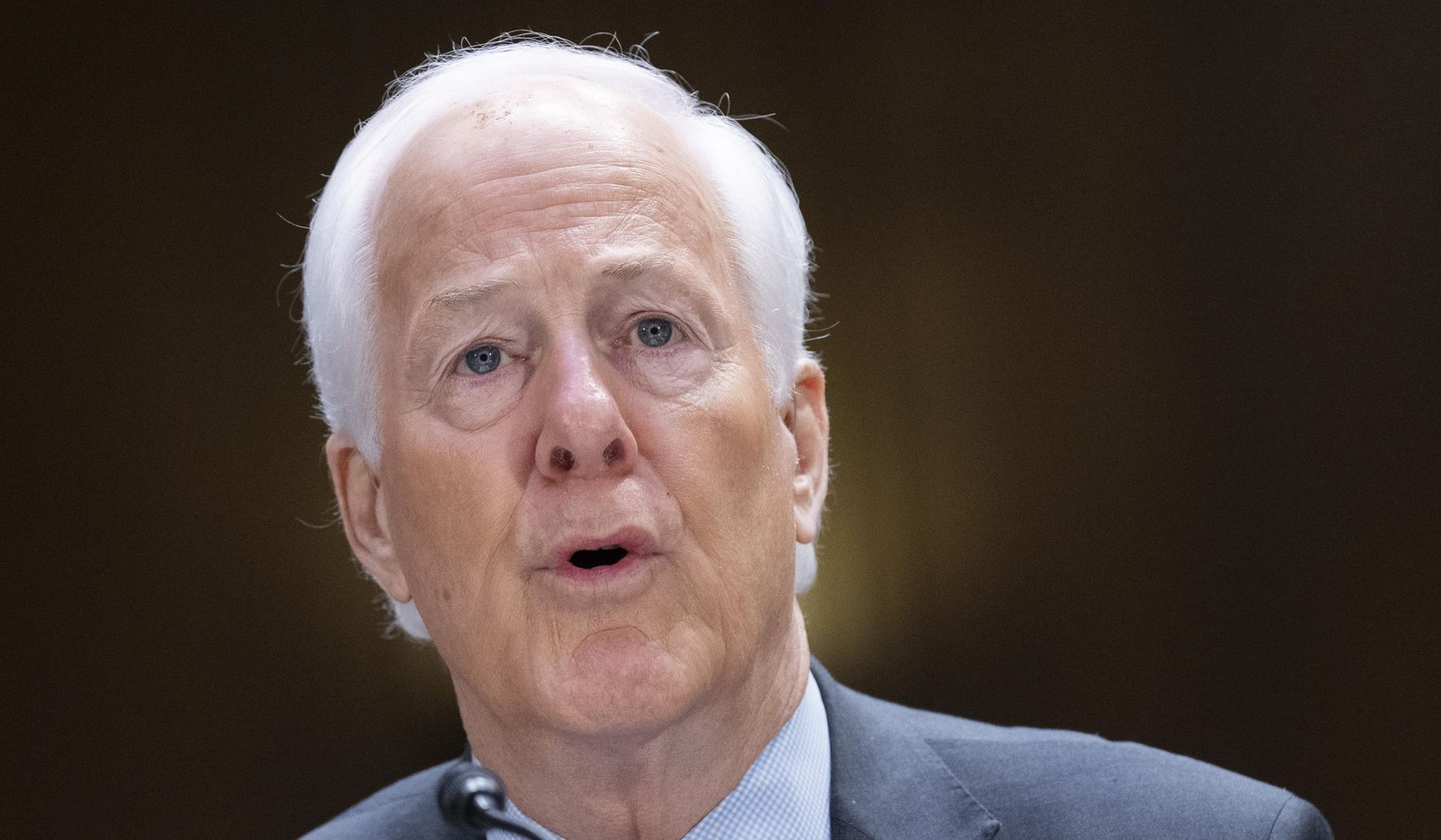
Sen. John Cornyn urged the International Olympic Committee to bar biological males from competing in female events at the 2026 Winter Olympics, calling for prompt action and raising concerns about fairness and safety in women’s sports.
Sen. John Cornyn made a direct appeal to the International Olympic Committee, insisting that biological males should not be allowed to compete in female categories at the upcoming 2026 Winter Olympics. He framed the issue as one that demands immediate attention from sports authorities and governing bodies. Cornyn used clear, plain language to stress that the integrity of women’s competition must be protected.
The senator’s message landed in the center of a broader cultural and policy fight over how to balance inclusion with fair play. Republicans have argued that allowing biological males in women’s events undermines competitive fairness and can disadvantage female athletes who have trained under the existing rules. Cornyn’s intervention follows years of debate in state legislatures, college boards, and national governing organizations about eligibility criteria and the criteria used to determine sex categories in sport.
Supporters of stricter eligibility rules say the stakes are high for athletes who earn scholarships, podium finishes, and professional opportunities based on performance in female divisions. They contend that physiological differences, even when modified by hormone treatments, can create persistent advantages in strength and endurance. That argument underpins calls for clear, enforceable standards from institutions like the IOC before the winter games arrive.
Opponents of exclusions frame their view around inclusion, civil rights, and the dignity of transgender athletes, urging policies that recognize gender identity alongside competitive safeguards. The debate is emotionally charged and politically potent because it touches on questions of fairness, identity, and who gets to compete at the highest levels of sport. Lawmakers, athletic commissioners, and advocacy groups have traded strong statements and legal challenges as they push for policy clarity.
Cornyn’s letter singled out the timing of the IOC’s decision-making, arguing that action cannot be postponed without jeopardizing the planning and qualification processes that lead up to the 2026 Games. He wrote that “timely action is essential,” a phrase that underlines the urgency he sees in establishing rules well ahead of event registration and athlete selection. That emphasis reflects concern that last-minute changes or inconsistent enforcement would leave athletes and federations scrambling.
The federal and state-level policy landscape has shifted in recent years, with several states enacting measures about school and amateur competition while sports federations try to reconcile international standards with local regulations. For members of the Republican caucus, these developments are a call to protect opportunities for women and girls who compete under sex-based categories. Cornyn’s appeal to the IOC is part of a broader conservative push to set boundaries that they say preserve fairness and safety.
Practical questions loom large: who will define eligibility, what evidence will be required, and how will enforcement work across borders and disciplines with different physical demands? Wintersports present unique challenges because events emphasize speed, power, and endurance in extreme conditions where marginal advantages can translate into podium placements. Critics say without unified standards, athletes and coaches face uncertainty that undermines the spirit of competition.
Ahead of the 2026 Winter Olympics, sports organizations and national committees face pressure to issue consistent, science-informed policies that take into account both competitive fairness and individual rights. Republican voices in Congress, including Cornyn, are pushing for rules that prioritize the integrity of female divisions. They argue that the IOC must act decisively to avoid controversy that would overshadow the athletic performances at the Games.
The conversation is not solely legal or technical; it’s also cultural and moral, and it resonates with fans, families, and athletes across the spectrum. For many conservatives, protecting women’s sports is a straightforward matter of fairness and opportunity. Cornyn’s intervention frames the debate in those terms and presses international authorities to respond before the 2026 Games arrive.
As the calendar moves closer to the next Winter Olympics, stakeholders on all sides will keep pressing their cases, submitting studies, and advocating for their preferred outcomes. Decisions made now will shape qualification systems, athlete preparation, and how nations present their teams on the world stage. The coming months will reveal whether sports leaders heed calls for firm rules or opt for alternative solutions as the 2026 competitions near.

