

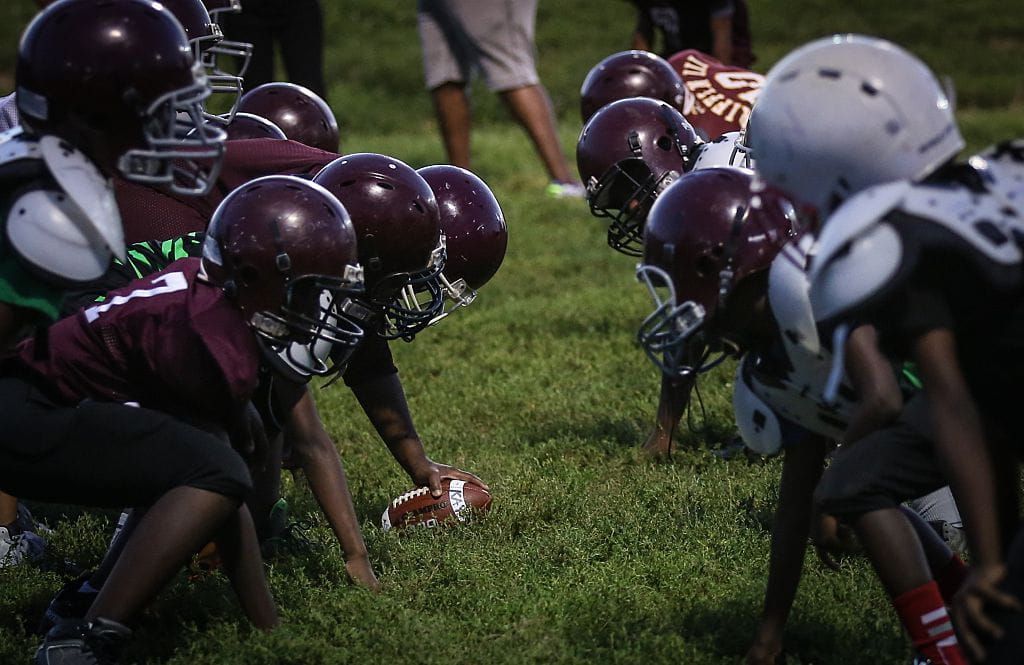
Organized youth sports remain a massive part of American childhood, but rising costs, time demands, and burnout are reshaping participation and access.
Organized sports still touch tens of millions of American kids, yet the scene has shifted from pickup games and seasonal leagues to a full-blown industry. In 2023, roughly 27 million youths aged 6-17 “participated on a sports team” or “took sports lessons afterschool or on weekends,” and research shows that nearly 70% of children leave their favorite sport before they hit their teenage years. That drop-off has coaches, parents, and health experts asking whether the current system is sustainable for childhood development.
Medical and sports professionals point to training intensity and schedule pressure as core drivers of athlete fatigue. The Ann & Robert H. Lurie Children’s Hospital of Chicago says athlete burnout is caused by the “physical and emotional stress of training.” Specializing in a single sport, sharp jumps in practice time, and relentless demands from adults can all accelerate a child’s exit from organized athletics.
The gulf between casual recreation and elite travel play helps explain why burnout is so common. A recreational baseball player might practice once or twice a week and play within a defined season, while travel teams can require multiple weekend games, frequent road trips, and near year-round commitment in addition to regular practices. That kind of calendar leaves little room for other childhood experiences, and the grind becomes unsustainable for many families and kids.
Some kids push back and step away on their own terms. As a teenager playing elite hockey, Joe Bortnick spent most weekends traveling for games and tournaments and eventually decided to scale back. “I was traveling all the time,” Bortnick said. “I didn’t get to hang out with friends. I could never go to the movies. It was pretty depressing. So I chose to stay home and play at a lower level.” His story captures why structured intensity can cost kids more than just practice time.
Costs add another layer to the problem and increasingly limit who can play at higher levels. Youth sports have grown into a roughly $40 billion industry, and by 2024 families were paying an average of $1,016 for each child’s main sport, up nearly 46% from five years earlier. “It just becomes increasingly more expensive for parents and families to play,” said the Aspen Institute’s Jon Solomon.
That price tag creates real inequality in access and opportunity, reshaping who benefits from the social and developmental perks of team sports. “There’s sort of this haves versus have-nots that exist in youth sports, in terms of who can play and who can’t or get quality access.” When travel costs, club fees, and private coaching separate kids by income, the playing field is no longer level.
Still, the upside of youth sports for those who can participate is significant and well-documented. Regular physical activity helps build and sustain healthy bones, muscles, and joints, maintain a healthy weight, and prevent or delay high blood pressure. Broader research links recreational physical activity to a lower risk of 13 cancers, underscoring that the health benefits go well beyond fitness and into long-term disease prevention.
The classroom and career also see benefits from time spent in sports. Physical activity is tied to better grades, sharper attention, and improved classroom behavior, and high school athletes are more likely than non-athletes to attend college and earn a degree. A survey of 400 female corporate executives found 94% played a sport and that 61% say sports contributed to their career success, highlighting how team experience can translate into workplace skills.
Mental health is another area where activity matters. Reports show active children more often feel excited, happy, and motivated, while inactive youngsters report higher levels of nervousness, anxiety, and depression. That emotional upside makes it all the more important to preserve play that builds resilience without breaking the bank or overwhelming a child’s schedule.
Can we make youth sports great again? The question isn’t rhetorical for many parents and community leaders who want athletics to be inclusive, affordable, and kid-focused. Reworking seasons, limiting travel, and promoting multi-sport play are practical levers that can keep sports fun and healthy for more families without turning childhood into a full-time commitment.

