

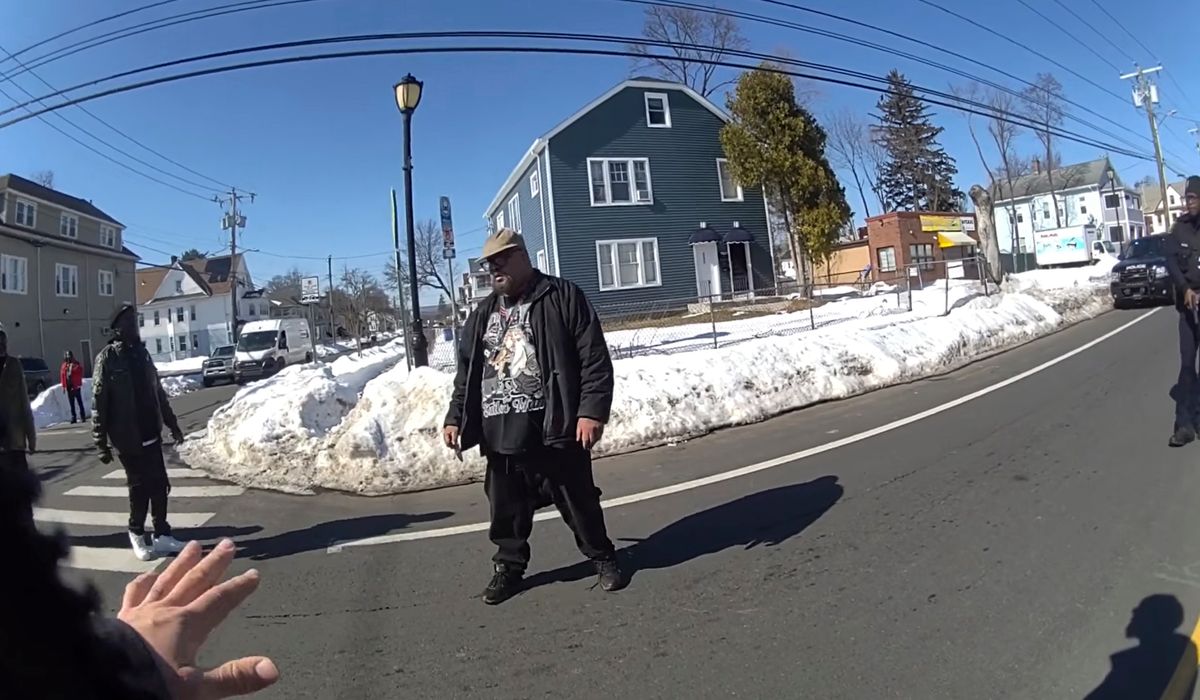
A Connecticut state investigation found a white police officer failed to de-escalate a Black man who was experiencing a mental health crisis, and the officer has been charged with manslaughter in the fatal shooting.
The case centers on a fatal encounter in Connecticut where an officer shot a Black man who was suffering a mental health crisis. Prosecutors brought a manslaughter charge after a state review concluded the officer did not employ de-escalation techniques. The basic facts raise urgent questions about how police handle people in distress and where responsibility lies when force becomes deadly.
Per the investigation, the officer encountered someone in obvious need of help rather than a conventional criminal threat. Details released by authorities say the man was in the throes of a mental health episode, which complicates every step of a response. That distinction matters because it changes expectations for using force and the tactics officers are trained to use in crisis situations.
The manslaughter charge signals that the state believes the officer’s actions went beyond acceptable law enforcement behavior. Manslaughter implies negligence or recklessness that resulted in a death, which is a serious legal threshold. Charging a police officer in such circumstances is relatively rare and has significant implications for accountability and public trust.
Victims of mental health crises rarely fit tidy scripts, and responses by first responders need flexibility and restraint. De-escalation is supposed to buy time, reduce tension, and direct people toward care whenever possible. When those options are skipped or mishandled, the outcome can be tragic, and the legal system steps in to determine fault and remedy.
Community reactions to incidents like this are often intense, mixing grief, outrage, and demands for policy change. Local leaders and residents typically want the facts fully aired, transparency in the investigation, and assurance that future responses will prevent similar losses. Those calls reflect both a desire for justice in the specific case and a broader push for safer standards when mental health and policing intersect.
Police departments across the country have been under pressure to strengthen crisis response training, including teaching officers to recognize signs of mental illness and to use nonviolent alternatives. Training alone does not solve every problem, but consistent practice in de-escalation techniques can reduce the frequency of force being used. Policy reviews and independent oversight are part of the conversation that follows high-profile fatal encounters.
The legal process now takes center stage: prosecutors must prove beyond a reasonable doubt that the officer’s conduct met the elements of manslaughter. That typically involves examining body camera footage, witness statements, dispatch records, and the officer’s own account. Courts will weigh whether the officer’s choices were reasonable under the circumstances and whether alternative approaches were available.
Families and communities left behind by such tragedies often press for systemic changes that go beyond any single prosecution. Ideas frequently raised include increased funding for mental health services, co-responder models that pair clinicians with officers, and clearer policies governing the use of force in mental health calls. Those proposals aim to shift how responses are planned and delivered, though change is rarely immediate.
Accountability and learning are both necessary to prevent future deaths in similar situations. An individual charge can address one set of actions while policy reform tackles the broader patterns that allowed the situation to occur. Public confidence depends on transparent investigations, fair legal proceedings, and measurable adjustments to training and response strategies.
The case also underscores the broader tension between public safety and care for vulnerable people. Police are often first on scene in crises they were not primarily trained to manage, and that mismatch can have deadly consequences. How communities recalibrate expectations and resources for mental health emergencies will be a key part of the conversation going forward.

