

The recent shift in Cuba’s economic signals has sparked debate about whether the island is moving away from state-centered control toward market-friendly policies, with visible political and social implications noted around Jun 27, 2026.
The island nation is apparently abandoning socialism. Observers see policy shifts and new economic activity that suggest officials are testing market mechanisms while trying to retain political control. Those changes are playing out in a complex setting of cautious reform, public impatience, and geopolitical interest. How those experiments unfold will matter for ordinary Cubans and for U.S. policy toward the region.
On the ground, everyday life shows strains and small victories at once. Entrepreneurs and small vendors are more visible, and remittance flows and tourism continue to influence local markets. Officials still regulate many sectors, but private initiatives seem to be tolerated more often than they were a decade ago. That mix of state direction and private activity creates ambiguity about the island’s long-term economic direction.
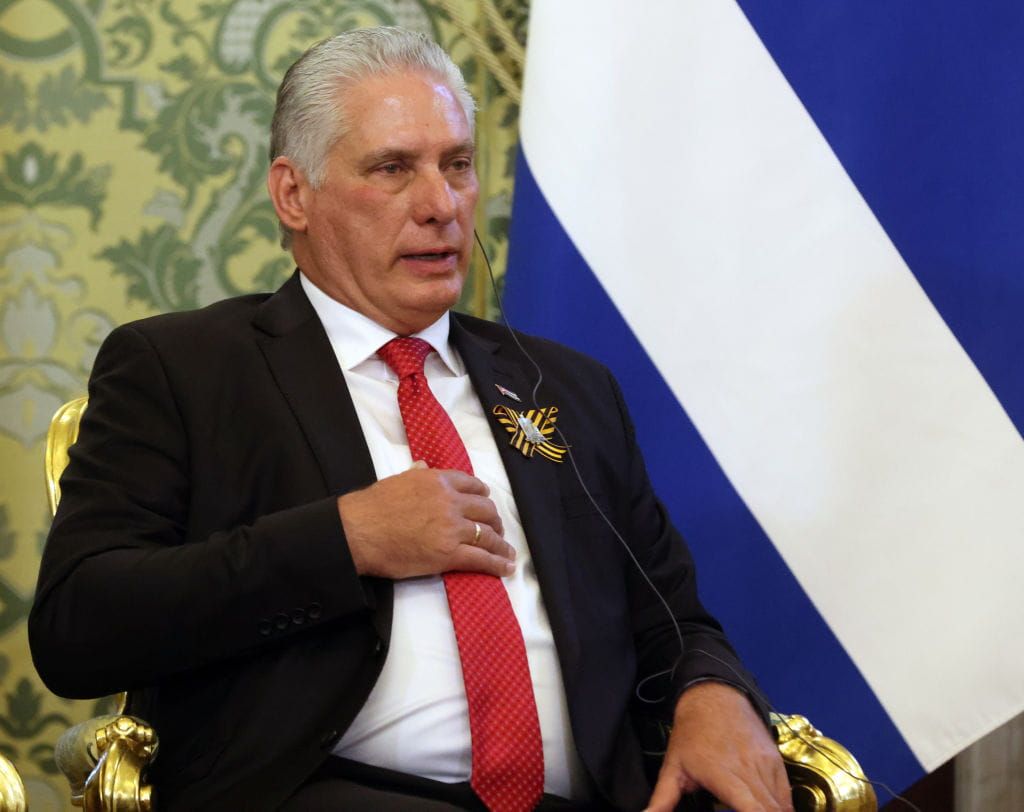
Cubian President Miguel Díaz-Canel — (Photo by Contributor/Getty Images) remains the face of the government, balancing conservative party instincts with the pressure to deliver results. The leadership frames limited openings as pragmatic adjustments rather than ideological retreats. From a Republican viewpoint, any loosening that allows Cubans to keep more of what they earn and to build private livelihoods is a clear improvement over rigid collectivism. Economic freedom, even gradual, creates incentives for work, investment, and dignity.
Policy tweaks can matter more than headlines. Changes in licensing, toleration of microbusinesses, and tweaks to trade rules can unleash real activity if they stick. Yet without secure property rights and a transparent rule of law, entrepreneurship faces serious limits. Republicans who watch Cuba will stress that sustainable progress needs meaningful legal protections, not just temporary toleration from officials worried about unrest.
There is a social side to this shift that is easy to overlook. Cubans’ expectations have changed after decades of scarcity and information from the outside world. Younger generations in cities want choices: the ability to start a business, access to reliable goods, and digital tools to connect with customers. Market reforms that are real and consistent meet those demands better than top-down rationing ever could, and they undercut the long-term appeal of authoritarian economic models.
International players will press their own agendas, and that complicates domestic reform. Foreign investment, remittances, and tourism can be engines of growth, but they can also prop up elites if reforms remain cosmetic. From a conservative perspective, U.S. engagement should reward genuine steps toward economic liberty while keeping pressure on policies that suppress basic rights. Real reform should be verifiable and tied to measurable improvements in Cubans’ material lives.
Economic openness creates political uncertainty for regimes that once relied on state control to maintain order. That tension explains why leaders often roll out partial reforms and then tighten controls when they feel threatened. For Republicans, the lesson is simple: free markets flourish only when institutions protect individuals from arbitrary interference. Markets without the rule of law can become oligarchic or captive to political networks instead of empowering ordinary citizens.
At the individual level, the question is practical: do Cubans get to earn, save, and reinvest without facing confiscation or constant bureaucratic hurdles? Incremental moves toward market mechanisms are promising, but they are not the same as full economic liberty. The coming months and years will show whether small businesses can grow openly or whether they will be allowed only as temporary safety valves. Observers on Jun 27, 2026 and beyond will be watching for durable legal changes that protect private initiative and property.

