

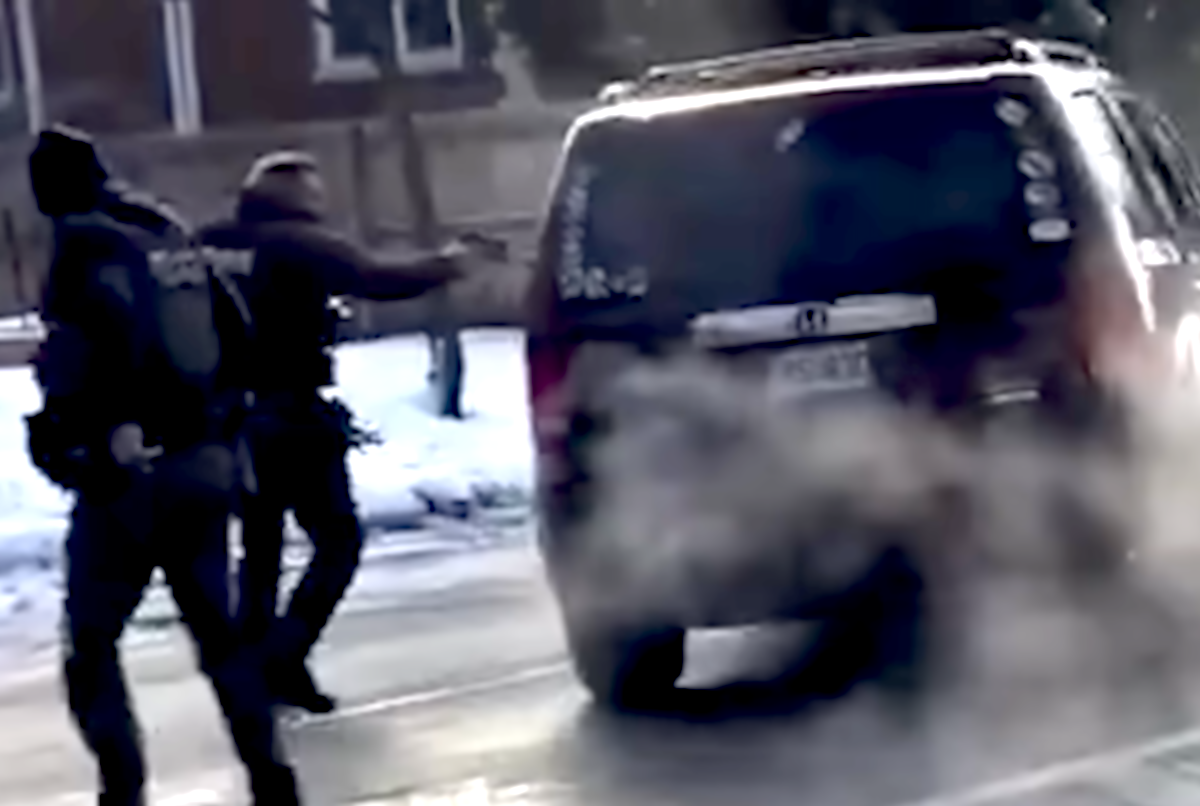
Republicans argue that treating fleeing suspects as off-limits for any lethal force undermines public safety, the rule of law, and common sense about self-defense and property protection.
Talk about criminal suspects on the run usually comes down to practical safety and clear rules for law enforcement. People want laws that protect innocent victims and give police the tools to stop dangerous offenders without being punished for doing their job. That means we should be wary of any doctrine that removes all accountability and removes sensible options for officers and citizens trying to prevent harm. The debate is not theoretical for communities dealing with violent crime every day.
“The logical conclusion to the Democrat position, then, is that it’s never justified to use lethal force on a criminal suspect, so long as she’s fleeing the scene.” That quote captures the core disagreement: one side wants strict limits based on whether a suspect is moving, the other insists outcomes and threat matter more than motion. When policies ignore context, they can tie the hands of those who must make split-second decisions. Good law balances restraint with the right to protect life and property.
From a Republican perspective, public safety depends on clarity and common sense in use-of-force rules. Officers and citizens need standards that let them stop an imminent threat, not ones that criminalize protective action because a suspect happens to be running away. Criminals exploit loopholes and inconsistent policies when those rules emphasize form over danger. Clear rules deter crime by making it obvious when force will be lawful and when it will not.
Legal precedent and training should focus on imminent danger, not mechanical tests that reward flight. If a fleeing suspect is armed, heading toward a bystander, or using a vehicle as a weapon, the situation is fundamentally different from a nonviolent escape. Rules that ignore these realities make it harder to prevent harm and to hold dangerous people accountable. A practical approach recognizes the difference between a simple getaway and an ongoing threat to life.
There is also a fairness and prosecutorial concern. Prosecutors need room to pursue cases where force was reasonable under the circumstances, and juries should be allowed to hear the context. When policymakers create rigid presumptions favoring suspects who flee, they risk skewing trials and undermining public confidence in the justice system. Justice should protect victims and respect reasonable defensive actions, not tilt automatically toward the fleeing suspect.
Policy debates should not forget deterrence. Criminals who believe they can escape consequences by running or by claiming fear of force will take more risks. Responsible law and enforcement reduce repeat offenses by ensuring consequences follow dangerous conduct. Policies that read like invitations to flee and abuse victims will only invite more violence in neighborhoods that can least afford it.
Training and oversight matter just as much as statutes. Officers must be trained to assess threats quickly and to use proportionate force, and agencies must hold bad actors accountable when force is excessive. But the solution is not to criminalize all defensive action when a suspect is in motion. The goal should be policies that protect innocent lives while preventing misuse of force through strong, transparent review systems.
At the end of the day the public wants law and order that actually keeps people safe, not rules that force helplessness in the face of danger. A sensible standard recognizes credible threats, respects the duty to protect, and preserves the discretion needed for split-second decisions. Lawmakers can craft policies that stop violent crime and support those who put themselves on the line to uphold community safety.

