

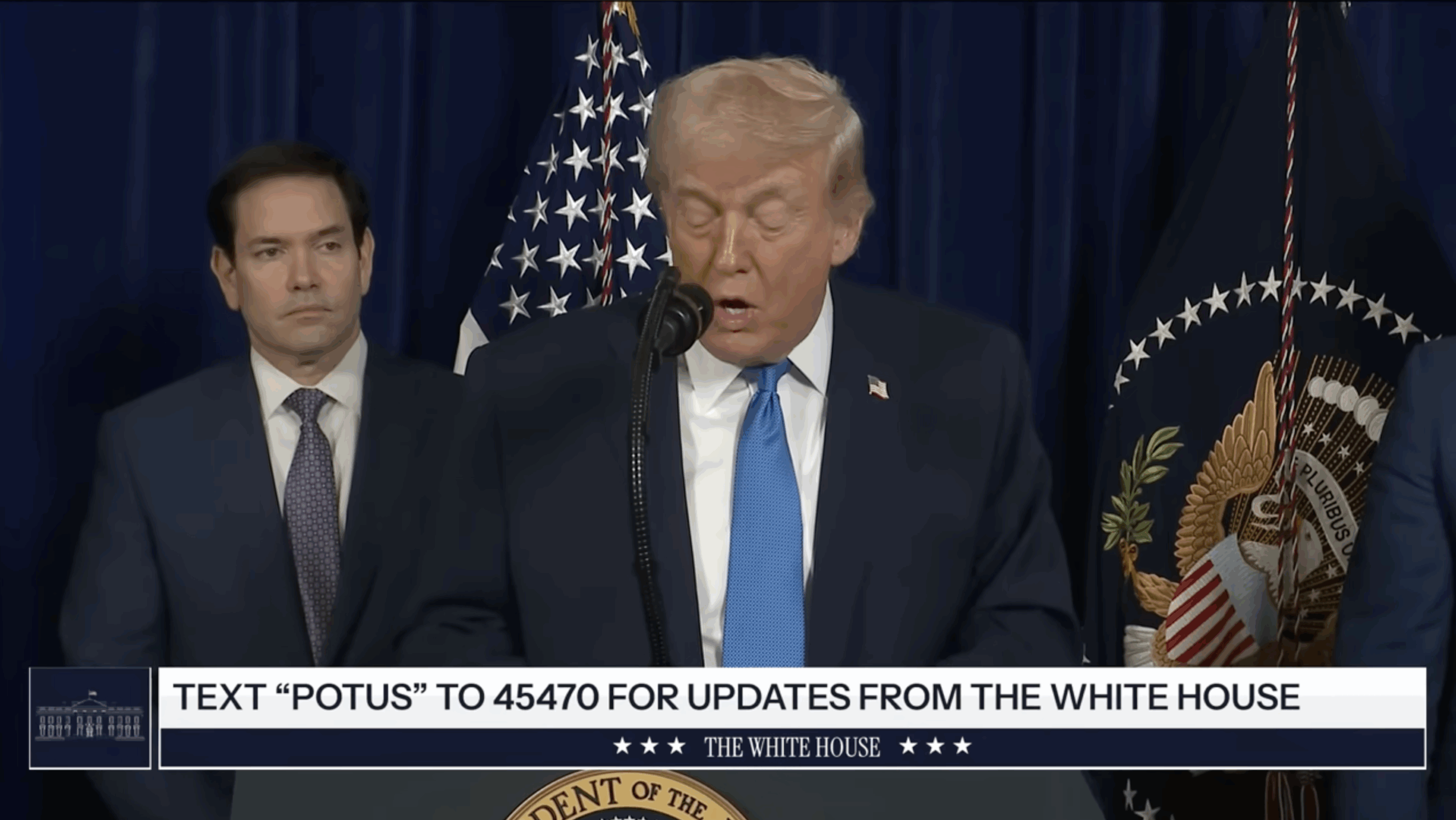
President Trump announced that U.S. forces captured Nicolas Maduro and his wife on charges of “narco-terrorism, drug trafficking, and conspiracy to import cocaine,” sparking sharp criticism from Democrats who had previously argued the president was not tough enough on the Venezuelan regime.
The arrest drew immediate outrage from many Democrats, even though those same critics once pressed for a stronger stance against Maduro. The contrast between past calls for toughness and current denunciations stands out in this moment of rapid political escalation.
The White House said the operation targeted Maduro for his alleged central role in moving narcotics and funding violent groups, and the list of accusations is serious by any measure. That set of charges—narco-terrorism, drug trafficking, and conspiracy to import cocaine—frames the case as both criminal and national security-related.
Republican voices have emphasized that enforcing the law should not be partisan, and that holding foreign leaders accountable for illegal activity is in the U.S. interest. They argue that decisive action sends a clear message to criminal networks: there are consequences, even at the highest levels.
Democrats responded with fury, calling the move reckless and politically timed, but the pushback overlooks years of mixed signals that allowed Maduro’s corruption and brutality to fester. Critics who demanded tougher policy in the past now face uncomfortable questions about consistency and motive.
Beyond the partisan theater, the operation raises real legal and diplomatic questions that will play out in courtrooms and backrooms alike. Extradition, evidence standards, and cooperation from international partners will all be central to whether the indictments translate into convictions.
For many Americans, the focus is practical: does this make the United States safer and will it disrupt drug flows that harm communities here at home? Supporters say a coordinated, forceful approach can break cartels and choke the finances that prop up violent regimes.
Opponents warn that such operations risk escalation and unintended consequences, including regional instability and retaliatory actions. That concern matters, but it should not be an excuse for inaction when leaders are accused of running transnational criminal enterprises.
Congressional oversight and transparent legal process are going to matter a great deal now that the headlines are rolling. Republicans will press for clear evidence and firm legal grounding while painting Democrats’ reactions as inconsistent and politically motivated.
At the same time, the administration must manage international alliances and public perception, explaining why the timing and method of the arrest were necessary. Successful prosecutions will depend on airtight evidence and cooperation, not just on dramatic headlines.
This episode will be debated in newsrooms and on Capitol Hill for weeks, with each side using it to make broader arguments about law, order, and foreign policy. For Republicans, the narrative is straightforward: enforce the law, protect Americans, and stop rewarding dictators with impunity.

