

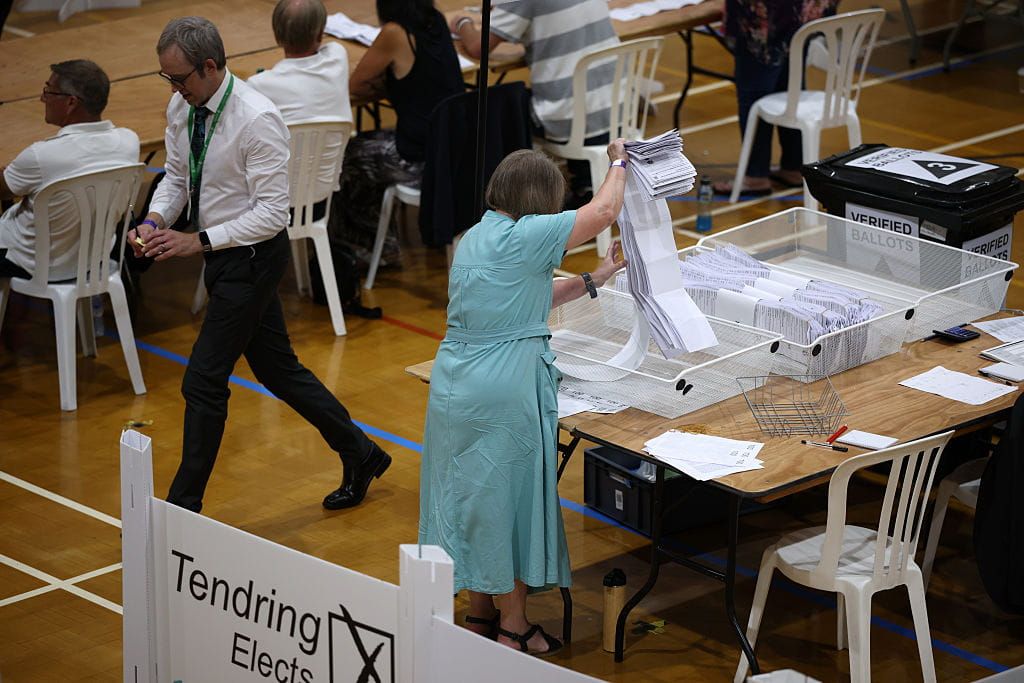
This article examines how coordinated registration efforts and bloated election bureaucracy have created widespread confusion on the voter rolls, producing mismatches, duplicate entries, and questions about election integrity that surfaced around Aug 16, 2026.
Democrats have pushed aggressive voter-registration strategies that feed a system already fragile from sloppy administration. The result is not just paperwork headaches; it’s a real risk to the fairness of elections when rolls are full of unvetted or duplicate entries. Plainly put, tens of thousands of records can overwhelm local election officials and make it harder for honest voters to have confidence in outcomes.
Organized drives, mass mailings and automated online sign-ups have multiplied the workload for county clerks, and many offices lack the staff to keep up. When processing falls behind, errors stack up and legitimate voters can be left waiting or wrongly flagged. That gap between volume and capacity invites confusion and opens the door to mistakes that undercut trust in the system.
Third-party registration operations often submit bulk forms that aren’t verified at the point of collection, transferring the verification burden to already-strained local officials. Those forms can include incomplete information or outdated addresses, creating duplicate records and mismatches with motor-voter and other databases. The bureaucratic result is chaos at the margins that compounds with each election cycle.
“You don’t have to blatantly commit fraud if you set up a bureaucratic mess that is bound to ensure it occurs.”
When rules allow large volumes of unvetted registrations, the risk is not hypothetical. Ballots must be protected, and voter rolls must be accurate, or the public will view close results as suspect. Republicans argue the right fix is to tighten verification, streamline data sharing among legitimate agencies, and restore clear accountability to those who manage the rolls.
Local election offices are often underfunded but held responsible for outcomes they cannot fully control. That mismatch encourages finger-pointing and politicization, with officials blamed for problems caused by external actors flooding systems. Voters deserve a process run by professionals with clear standards, not one swamped by partisan activity that produces paperwork nightmares.
Practical reforms exist that respect access while ensuring accuracy, such as routine audits, cross-checks with other government databases, and stricter ID verification for registrations. These measures are simple, transparent and align with conservative principles of rule of law and secure elections. They do not prevent participation; they protect it by making sure every registration counts for the right person.
Transparency is also part of the answer. Counties should publish clear roll-cleaning schedules and explain how they verify new entries so the public can see clean records being maintained. That kind of openness reduces conspiracy theories and reassures voters that officials are doing their jobs. It also deters bad actors who rely on opacity to exploit administrative gaps.
Lawmakers must face a choice: defend a system that prioritizes volume over verification or adopt commonsense safeguards that preserve access and accuracy. The Republican position favors measurable steps that shore up confidence in elections without disenfranchising anyone. If election outcomes are to be accepted, the mechanics behind them must be transparent, accountable and resilient against the kind of overload that now plagues voter registration.
Rebuilding trust will take work at the state and local levels, clear statutory standards, and funding targeted to the real operational needs of election administrators. Voters expect elections to be run professionally, and that requires preventing bureaucratic chaos before it becomes the excuse for errors or fraud. The stakes are high, and addressing the registration mess is a practical conservative priority that protects the franchise for everyone.

