

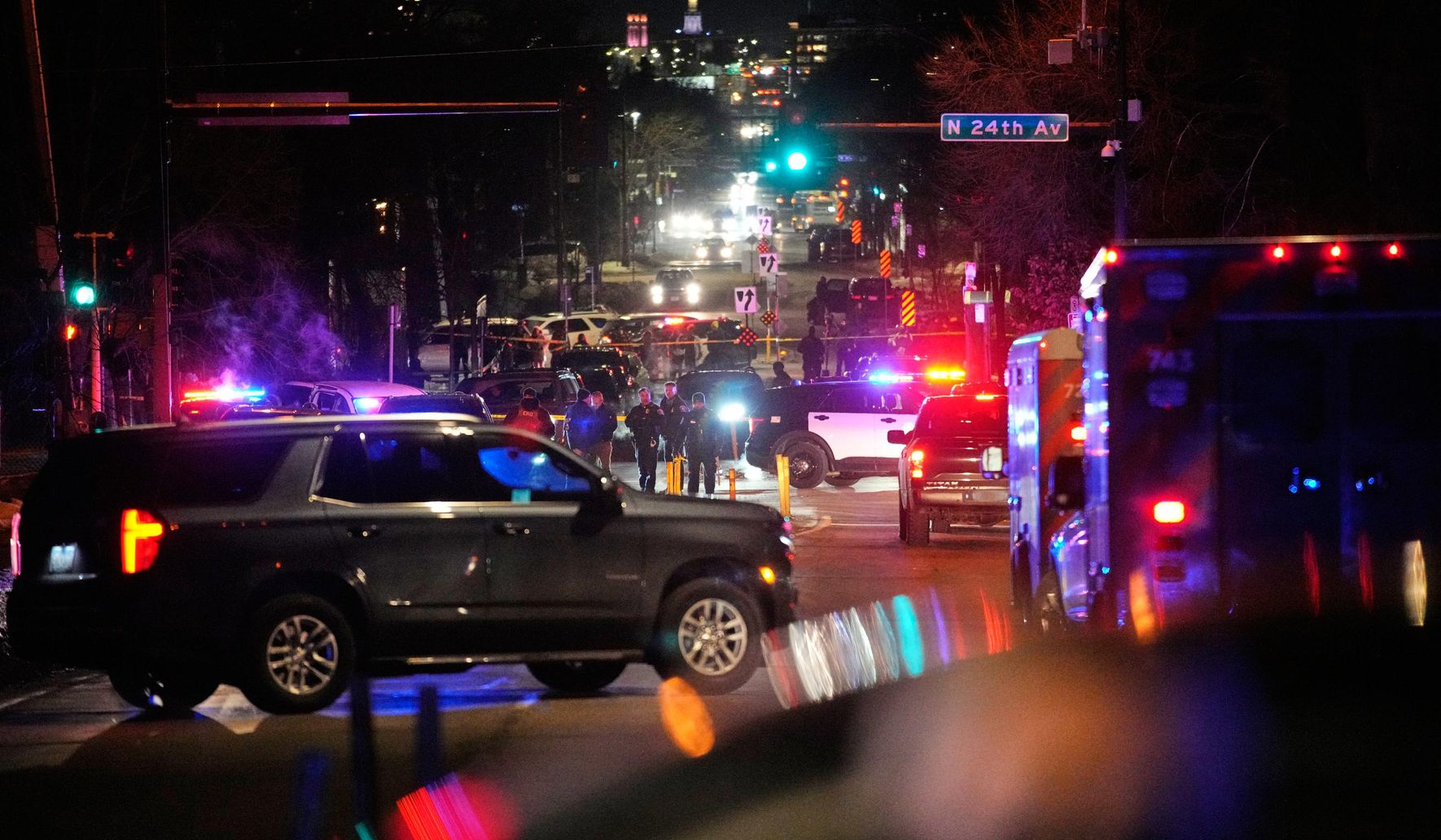
A federal agent in Minnesota was ambushed while carrying out an arrest, highlighting the dangers agents face on the ground and the wider debate over immigration enforcement.
From a law-and-order perspective, this incident underscores how thin the margin is between routine enforcement and violent confrontation. A federal agent trying to arrest an illegal immigrant in Minnesota was ambushed by people who attacked him with a shovel and a broom handle, forcing him to open fire, the Homeland Security Department
The office that sent out the briefing made clear the agent reacted to an immediate threat, and that reality matters to people who wear the badge. When attackers brandish blunt weapons and coordinate to block an arrest, the choices left to an officer can be life or death. Republicans who back tough enforcement see this as proof that federal agents need full authority and local cooperation to do their jobs safely.
There’s a second layer to the story: obstruction by bystanders or organizers who interfere with lawful arrests is a growing hazard. When groups physically impede agents, they not only endanger officers but also put their own communities at risk by escalating encounters. The Republican stance is simple: protect officers, enforce existing laws, and hold obstructionists accountable under federal statutes.
Policy matters here, not just individual decisions in the heat of the moment. A patchwork of local policies that limit cooperation with federal immigration enforcement creates predictable friction and fewer safe options for agents. That friction is where confrontations happen, and from a conservative point of view, stronger, clearer rules and full cooperation between jurisdictions reduce the chances of violence.
Beyond policy, there are practical changes worth noting: more support for specialized training, better personal protective equipment, and clearer lines of authority during multiagency operations. Those steps are not radical; they are responsible measures to reduce risk and protect civil servants doing dangerous work. Advocates for enforcement stress that safety and accountability go hand in hand, and that means backing the people who enforce the law.
Legal consequences for those who attack or obstruct federal officers should follow existing statutes, with prosecutors pursuing charges appropriate to the conduct. When a group tries to set an ambush or uses weapons against an officer, it becomes a criminal matter, and the rule of law must respond. From a Republican perspective, upholding those laws is essential to deter similar incidents and to maintain order.
The ripple effects hit local neighborhoods, too, where fear of confrontation can erode trust in public institutions and increase tensions between residents and law enforcement. Restoring that trust requires consistent enforcement and transparent accountability for all parties involved in violent incidents. Conservatives argue that reaffirming the authority of federal agents and ensuring local partners comply with their obligations is the clearest path back to safer streets and fewer deadly encounters.

