

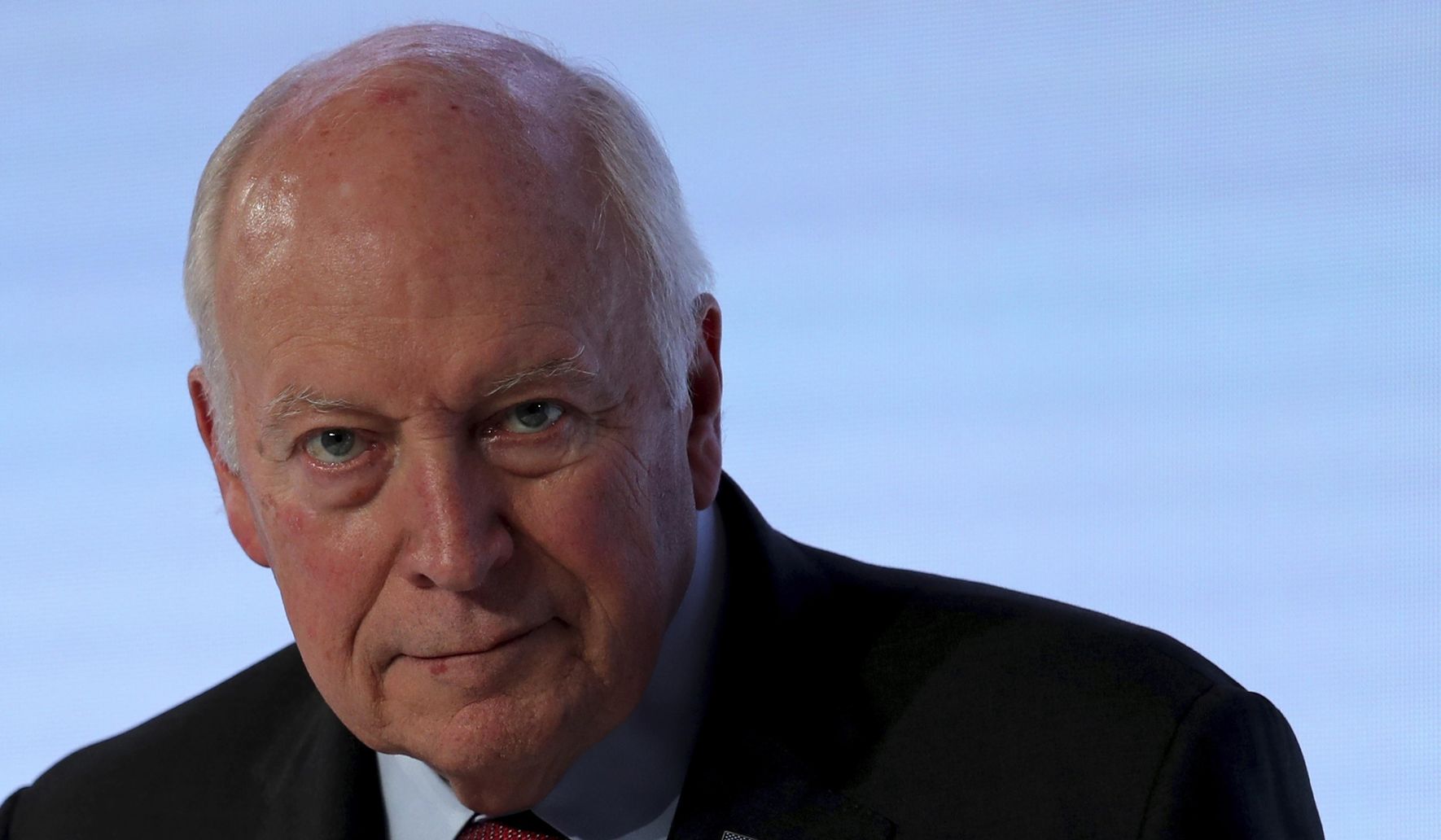
Dick Cheney, who rose from Wyoming roots to become one of the most consequential vice presidents in modern American history, has died at age 84 and leaves a record defined by fierce conservatism, staunch support for a robust national defense, and policies that reshaped U.S. foreign and domestic security doctrine.
Dick Cheney was a hard-charging conservative who served at the highest levels of government and became one of the most powerful and polarizing vice presidents in U.S. history. He was a leading advocate for the invasion of Iraq and a central figure in shaping post-9/11 security strategy. Cheney’s death at age 84 marks the end of a career that deeply influenced Republican policy and national security debates.
He built his reputation over decades in both the executive branch and the private sector, known for an uncompromising approach to power and policy. Cheney’s tenure as vice president was notable for unprecedented influence over executive decisions and appointments. For many conservatives, he was a stalwart defender of American strength and a clear-eyed realist about global threats.
Cheney’s role in the run-up to the Iraq war is a defining part of his legacy, and his advocacy reflected his belief in projecting American power to protect vital interests. He argued that removing Saddam Hussein reduced a dangerous threat and that acting decisively was preferable to hesitation. That stance remains a touchstone for Republican national security thinking, emphasizing resolve and deterrence.
At the same time, his record sparked intense criticism and debate about presidential authority, surveillance, and the conduct of war. Critics point to controversial decisions and difficult consequences, while supporters argue those choices were made under exceptional circumstances. The push and pull over civil liberties versus security defined many of the fights of his vice presidency.
Cheney’s impact was not limited to foreign policy; he reshaped how the vice presidency is used in modern governance. He took an active role in staffing, strategy, and policy coordination, often operating behind the scenes to get conservative priorities implemented. That model changed expectations for future vice presidents and how administrations build power centers around trusted advisers.
Colleagues and opponents alike acknowledged his fierce loyalty to ideological aims and to the people he trusted to execute them. He cultivated a tight circle of advisers and trusted hands who helped translate his strategic vision into action. Even those who disagreed with him recognized a singular commitment to what he believed was best for the country.
Beyond policy, Cheney’s life included personal health battles and a private side that contrasted with his public persona as a relentless operator. He faced multiple medical challenges over decades, which shaped how the public and press viewed him in later years. Those struggles underscored the human dimension behind a figure often seen only through the lens of power politics.
His death drew reactions that spanned the political spectrum, reflecting the deep imprint he left on American public life. Republicans who admired his clarity of purpose and willingness to take hard stands noted the debt they felt for his work on defense and conservative governance. Democrats and critics reiterated their objections to some of his most consequential choices, underscoring how contentious his legacy remains.
Looking back, Cheney will be studied as a case of conservative governance, a vice presidency that expanded the office’s reach, and a leader who put national security at the center of his politics. His decisions, defenders say, were driven by a desire to keep the nation safe and to preserve American interests abroad. The debates he helped ignite will continue to shape Republican strategy and national conversations for years to come.

