

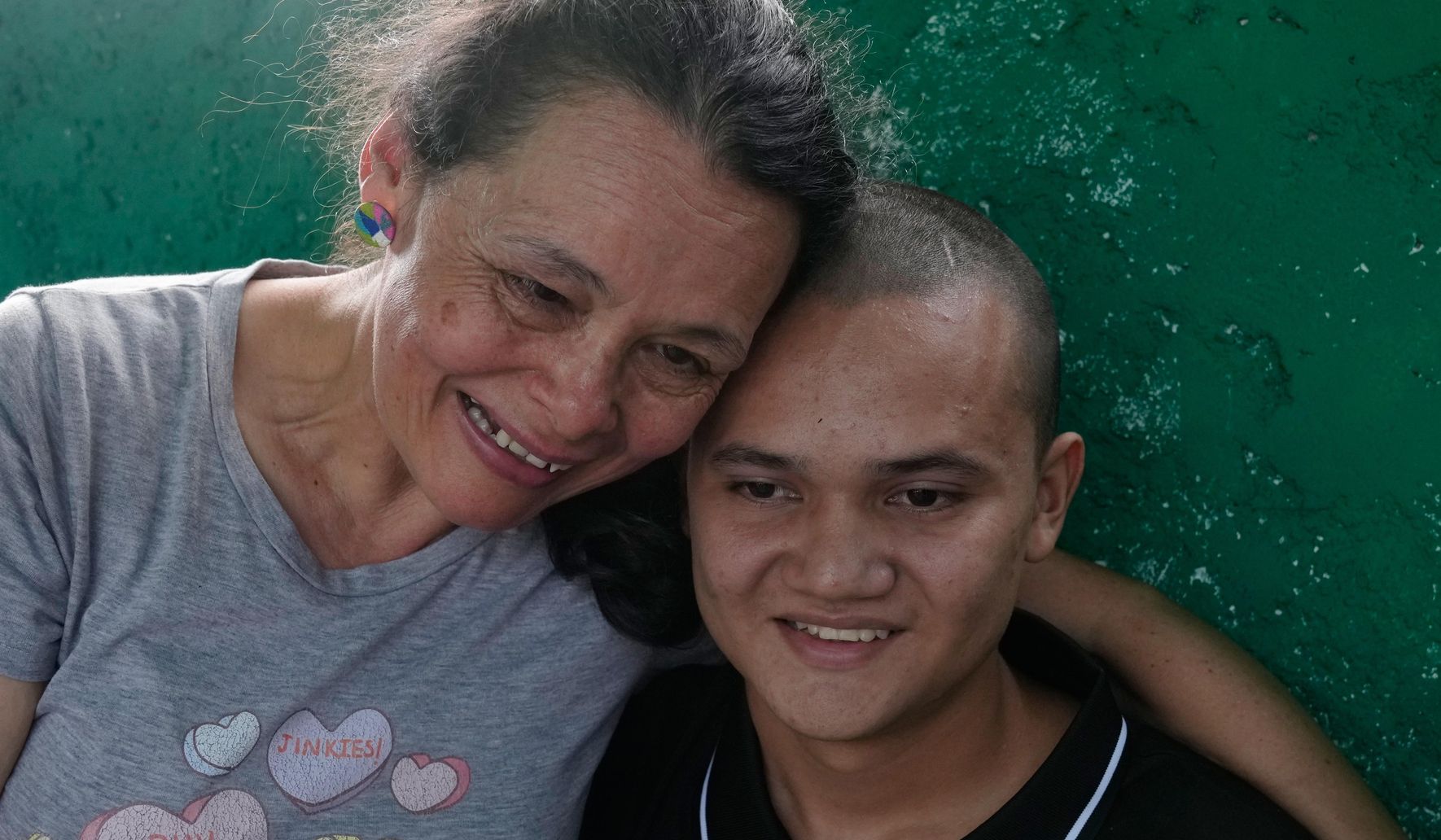
Diogenes Angulo left the San Francisco de Yare prison after one year and five months behind bars, and his family was visibly in shock at his sudden return.
The moment of release was quiet and raw, with relatives gathering close as he emerged from the prison gates. Faces showed relief mixed with disbelief, like people waking from a long, exhausting wait. The atmosphere carried the weight of time lost and the immediate need to adjust to being together again.
For the family, the reentry into everyday life began with simple, urgent tasks: checking paperwork, arranging medical attention if needed, and finding a place to sleep that felt safe. Those first practical steps are often the hardest because they have to be done while emotions are still frayed. Small routines become stabilizing anchors after months apart.
Leaving a facility like San Francisco de Yare after one year and five months is more than a change of address, it is a psychological shift for everyone involved. Relatives and friends must reconcile the person they left behind with the person who returns. That process can bring joy, awkwardness, grief, and cautious optimism all at once.
Long detentions can reshape daily habits and expectations, so rebuilding trust and normalcy takes time and patience. Families frequently report that patience is the single most important resource during the early days following a release. They also say that community support, when available, helps smooth the transition and reduce stress.
Prison releases often spotlight gaps in social services that become immediately obvious when a person comes home. Access to employment, health care, and counseling rarely lines up neatly with a release schedule. Those mismatches force families to improvise, leaning on each other and on informal networks to fill urgent needs.
The public side of a release can be a confusing mix of privacy and exposure, especially when cameras or onlookers are present. Families may want to protect their loved one from scrutiny, but the arrival of strangers and the buzz of attention can turn an intimate moment into a spectacle. Managing that balance is another challenge they face as they step back into a community.
There is also a legal and administrative tail to manage after any period of detention, regardless of the reasons behind it. Paperwork must be sorted, legal statuses confirmed, and any remaining obligations addressed. For many, this is a period of scrambling to secure documentation that supports housing, work, and basic services.
Mental health concerns are common after time behind bars, and spotting signs of trouble early is important. Families often watch for changes in mood, sleep patterns, and social withdrawal, and they encourage professional help when needed. Even simple things like regular meals and a steady sleep schedule can provide crucial support.
Community reactions can vary widely, from warm welcome to suspicion, and that mix affects how quickly someone can rebuild a stable routine. Open conversations with neighbors and employers can help, and clear communication reduces misunderstandings. It can take weeks or months before life feels steady again.
Those who return after confinement usually focus on practical rebuilding while carrying the emotional baggage of separation and uncertainty. Reestablishing daily rhythms, reconnecting with old friends, and finding meaningful work are immediate priorities. Over time, these steps can create a foundation for longer term stability.
What people remember most from a release day are often the small, human details: a nervous laugh, a hand squeezed too tight, a quiet promise to try harder. Those moments matter because they mark the beginning of the next chapter and the work that follows. For Diogenes Angulo and his family, the days ahead will define how this return takes shape and how they heal together.

