

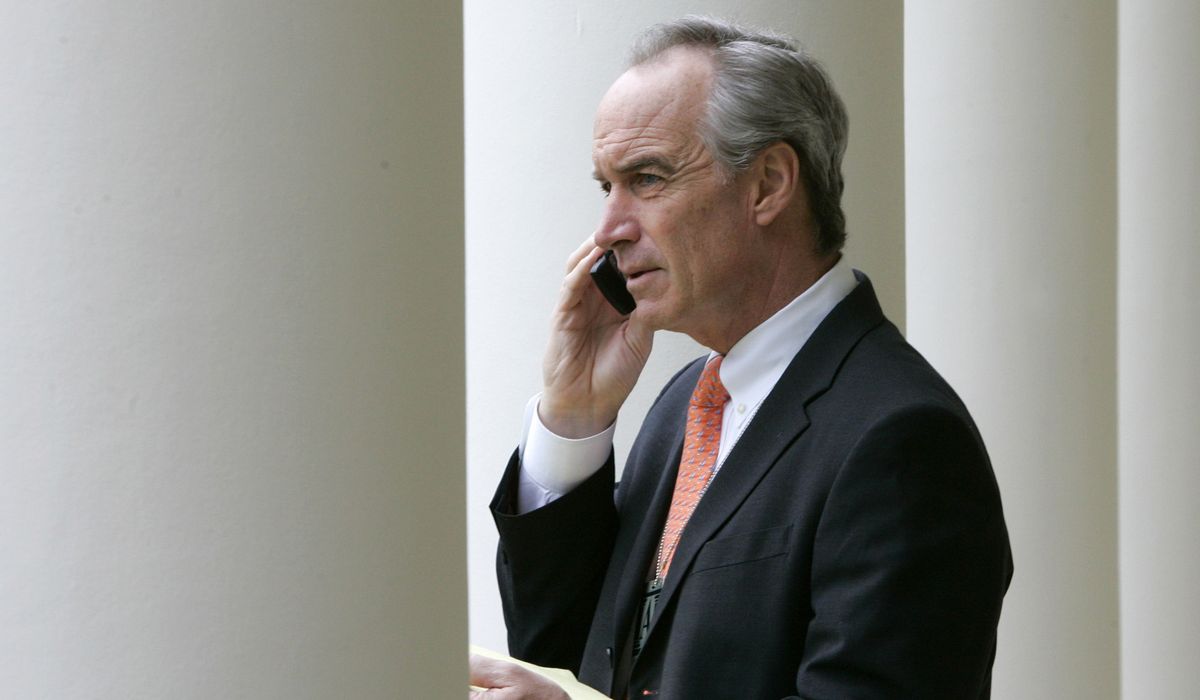
Former Idaho governor and U.S. Interior Secretary Dirk Kempthorne has died at age 74, his family said in a written statement Saturday, leaving behind a record of steady conservative leadership and long service to the West.
Former Idaho Gov. and U.S. Interior Secretary Dirk Kempthorne has died at age 74, his family said in a written statement Saturday. He carried Republican principles through city hall, state government, and a Cabinet post, earning respect from voters who liked practical problem solving. His passing closes a long run in public life that mixed stewardship of lands with support for local control.
Kempthorne made a point of balancing conservation with sensible use of natural resources, and that pragmatic streak appealed to many voters across the West. He believed public lands should be managed responsibly while protecting private property rights and the livelihoods of ranchers, loggers, and energy workers. Those priorities reflected a conservative outlook that values both the environment and the people who make a region work.
As a Republican leader, he favored solutions that relied on state voices and local officials rather than heavy federal micromanagement. He pushed for cooperation with local stakeholders and insisted on accountability when federal programs touched communities. That approach won him allies in his party and, at times, grudging respect from political opponents who recognized his steady hand.
People who watched his career saw him as pragmatic rather than ideological, which is often what keeps government functioning. He emphasized the rule of law, fiscal responsibility, and the need for practical steps that improve everyday life for citizens. Those are hallmarks of conservative governance that prioritize results over headlines.
His time in office was marked by a focus on workforce opportunity, outdoor recreation as an economic engine, and preserving the character of rural communities. Kempthorne supported policies that aimed to keep businesses competitive while also maintaining access to public lands for future generations. That combination of priorities appealed to small-town voters and urban outdoor enthusiasts alike.
Colleagues and local leaders remembered him as someone who could be persuasive without being bombastic, a trait that mattered in a party that values steady leadership. His career path showed a willingness to move from municipal work to statewide leadership and then into national service, always framing issues in straightforward, commonsense terms. For many Republicans, his example underscored the value of public servants who focus on durable policy over politics.
Beyond policy, Kempthorne’s public life reflected a conservative belief in civic duty and community involvement, and that ethos shaped how he approached each job. He worked to create environments where private initiative could thrive while government set clear rules and stayed out of the way when appropriate. That blend of respect for markets and respect for place is a signature of conservative stewardship in the American West.
His death at 74 was announced by his family in a written statement Saturday, a brief notice that underscored the private side of a public figure. Many in the Republican Party will remember him for his practical leadership and steady commitment to principles that serve families and local economies. In an era of constant noise, his measured approach to governance left an imprint on how conservatives think about managing public resources and serving communities.

