

A clear-eyed look at how failed diplomacy with Tehran spiraled into the June 2025 12-day war, why the Biden administration’s approach fell short, and what practical security moves should follow to protect U.S. interests and allies in the Arabian Gulf region.
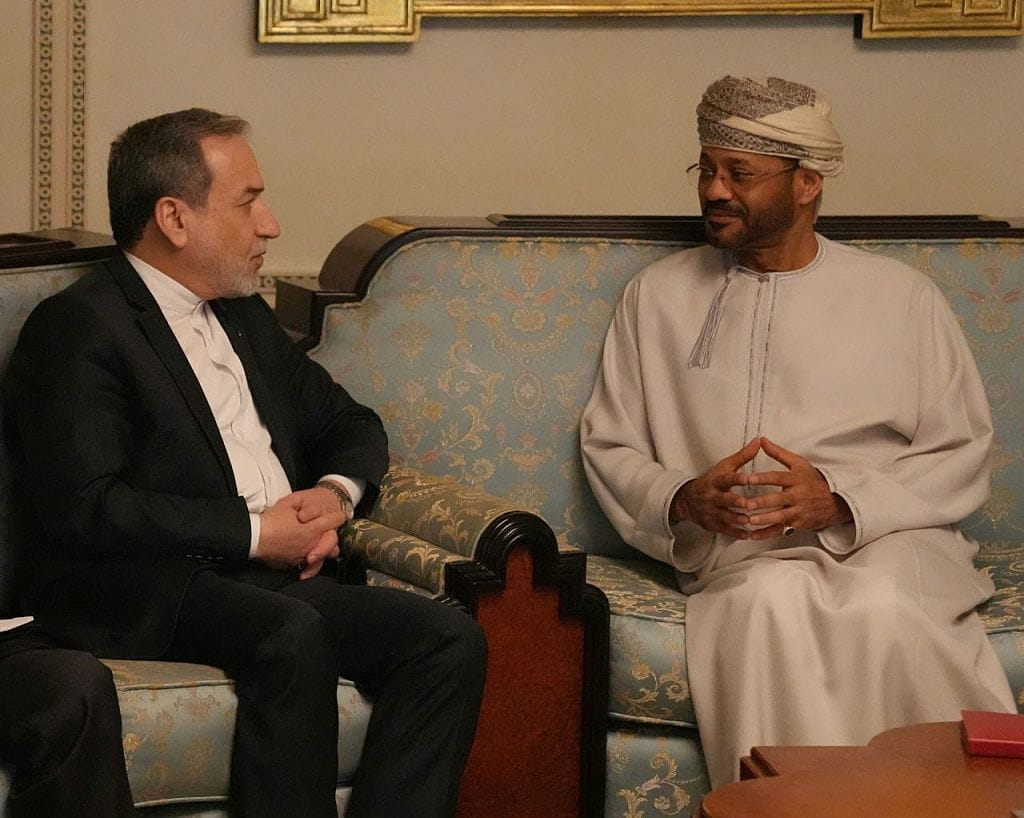
It has been eight months since the US and Iran held indirect talks to resolve ongoing tensions in the Arabian Gulf region. Those discussions proved fruitless, and the failure to come to an agreement on Tehran ceasing its nuclear enrichment program and stopping the air attacks on Israel resulted in the June 2025 12-day war. The aftermath left a region more volatile and underscored the limits of engagement without leverage.
The first problem was a misread of Iranian intent. Tehran used talks to bide for time while advancing enrichment and proxy capabilities, and our negotiating posture lacked hard consequences tied to clear benchmarks. In short, the administration treated diplomacy as a stand-alone solution rather than part of a coordinated strategy that included credible deterrence.
When diplomacy failed, the vacuum invited escalation. The 12-day conflict in June 2025 showed how quickly state and nonstate actors can turn tensions into open hostilities, threatening shipping lanes, energy supplies, and allied security. Republicans have argued for a posture that discourages aggression through strength, and the events of last summer make that approach look prescient.
America must reassert deterrence in practical ways that partners can rely on. That means visible force posture adjustments, expedited missile defense deployments, and faster intelligence sharing with Gulf partners and Israel. Open-ended negotiations without penalties simply do not dissuade an adversary who calculates that time and ambiguity favor their program.
Economic pressure must remain part of the toolkit but applied in a targeted, sustained way that hits Tehran’s ability to finance proxies and enrichment programs. Smart sanctions on critical suppliers, financial chokepoints, and dual-use technology traders could raise the cost of further escalation. Sanctions work best when backed by credible military options that make the choice to escalate unattractive.
Congressional oversight and bipartisan alignment on strategy are essential if any diplomatic track is to be more than a pause for hostile action. Republicans insist that diplomacy must be tied to enforceable, verifiable limits on nuclear activity and a halt to attacks on Israel before meaningful relief is considered. Lawmakers should demand clear metrics and timelines before authorizing concessions.
Partnerships in the region need practical rebuilding, not just speeches. Increasing joint drills, prepositioning supplies, and enhancing port and convoy security will protect commerce and deter opportunistic strikes on civilian infrastructure. Regional states will only lean in if they see the United States matching words with capabilities and commitments that last beyond a news cycle.
Intelligence and covert options must be sharpened alongside overt defenses, while legality and accountability remain in view. Republicans support a full-spectrum approach that uses all instruments of national power to counter Tehran’s malign activities without getting dragged into open-ended ground conflicts. Precision, patience, and pressure are the trinity that can prevent another rapid descent into war.
In the end, the lesson is straightforward: engagement without leverage invites miscalculation. The June 2025 12-day war should be a wake-up call that diplomacy must be tied to a clear front of consequences, strengthened alliances, and military readiness. A durable peace in the Arabian Gulf will come from a strategy that combines firm deterrence with conditional, verifiable diplomacy.

