

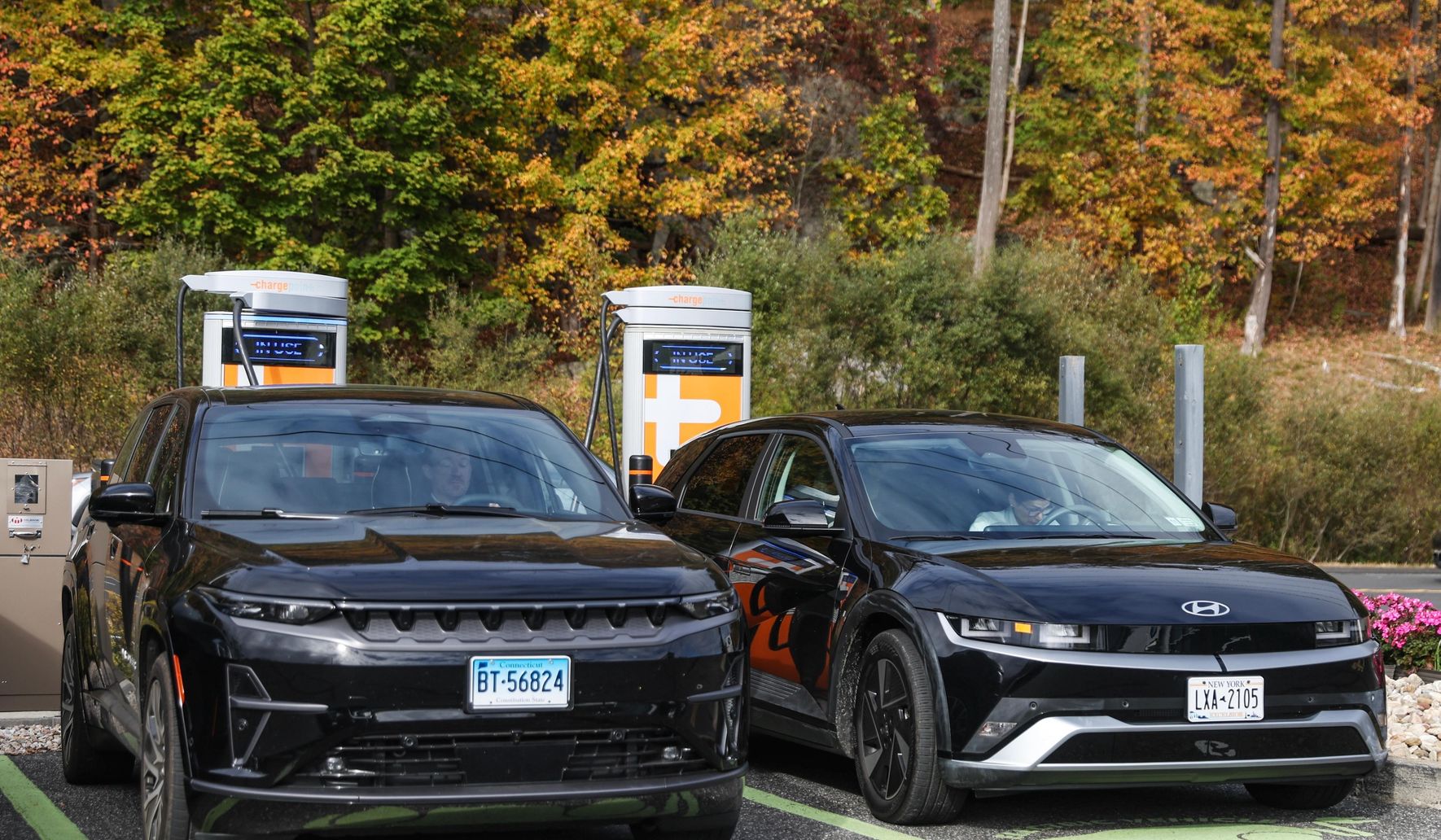
Electric vehicle sales plummeted by nearly one-third in October after Trump and congressional Republicans eliminated the $7,500 federal tax credit. The sudden drop exposed how much demand had leaned on subsidies and immediate price signals, forcing buyers and makers to rethink plans. The market reaction was fast and visible across inventories, incentives, and dealer behavior.
When the $7,500 credit disappeared, buyers who were waiting for lower out-of-pocket costs paused purchases. Dealers and manufacturers felt the impact almost immediately, with some cutting production runs and others turning to short-term discounts to move units. That kind of volatility shows how sensitive sales are to fiscal policy and predictable incentives.
From a Republican point of view, removing the credit corrects a long-standing government preference for one technology over another. Taxpayer subsidies should not prop up demand permanently for a private product, and ending the credit forces companies to compete on price and features. It also stops automatic subsidies that often flowed to higher-priced models that wealthy buyers could already afford.
Auto companies are adjusting quickly, shifting marketing dollars and retooling output for the realities of consumer choice. Some firms are emphasizing lower-cost models and better financing terms, while others double down on long-term battery improvements and operational efficiencies. That shift may be painful in the short term, but markets adapt when subsidies are removed.
Consumer concerns remain practical and straightforward: range, charging convenience, and long-term resale value. Many shoppers still prefer vehicles that fit existing habits and infrastructure, not ones that require reshaping daily life. Without the federal credit, those considerations are more front-and-center in buying decisions.
One clear consequence is pressure on residual values and leasing programs that previously assumed continued subsidy-driven demand. Lease offers tightened and residual estimates dropped as companies recalculated risk, which in turn raised monthly costs for some buyers. Those changes underline that parts of the EV market were structured around a predictable federal incentive that no longer exists.
Policy debates will continue, but Republicans argue the role of government should be limited to enabling infrastructure rather than subsidizing purchase prices indefinitely. Investing in widespread, reliable charging stations and streamlining permitting are market-friendly ways to support electric vehicle adoption without tilting the playing field. That approach gives consumers real reasons to switch, rather than relying on tax credits that mask total ownership costs.
Energy and technology progress still matter: battery costs are trending down and efficiency is improving, which will make EVs more competitive over time. But the transition should come from innovation and consumer choice, not perpetual tax favors. As the industry adjusts, expect more price competition, clearer value propositions, and a lot of experimentation with models and services to win buyers back under market conditions.

