

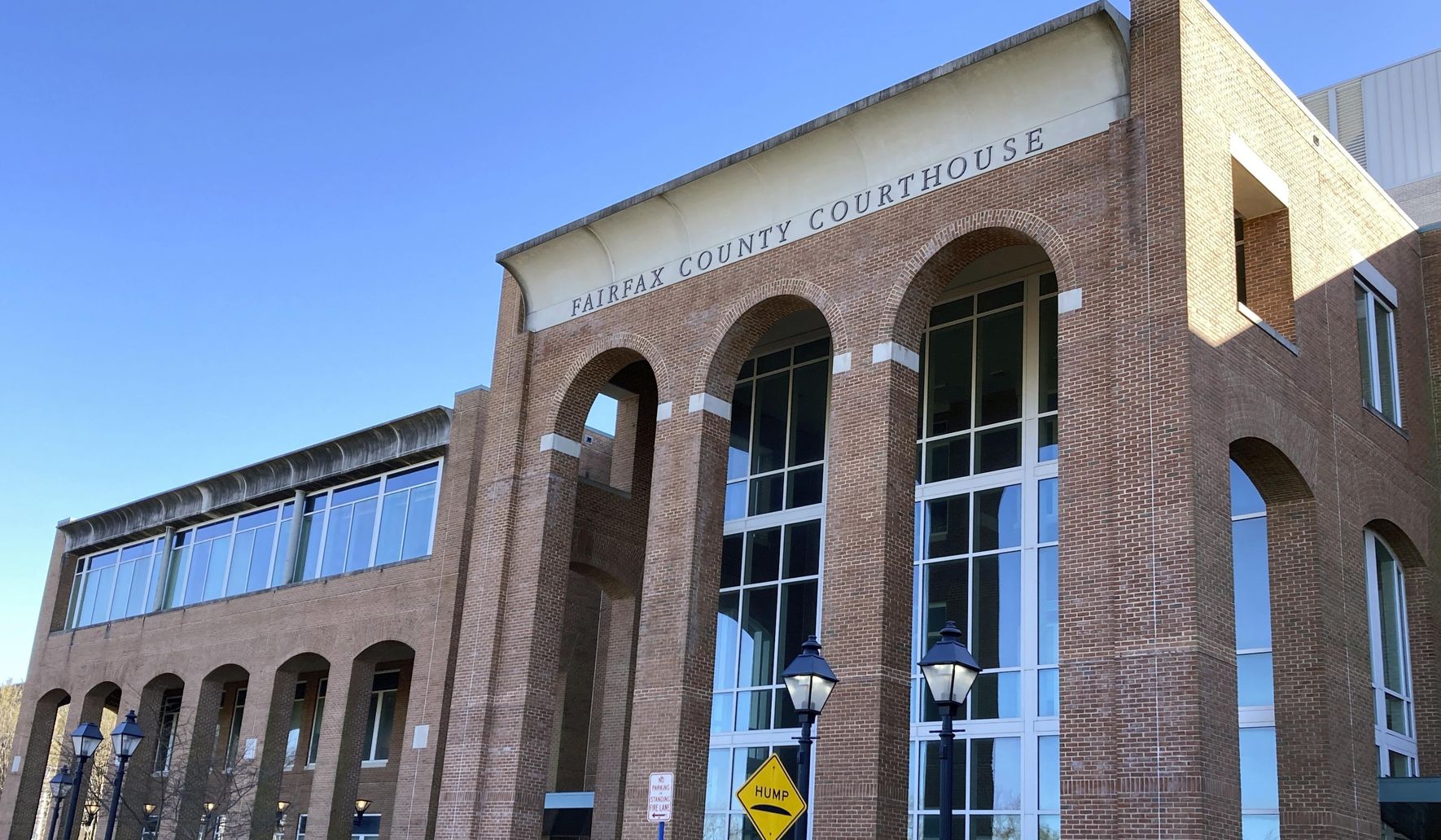
Family protests an insanity plea tied to a 2022 Fairfax City killing, sparking sharp questions about accountability, courtroom decisions, and community safety.
A Fairfax County family spoke out against the insanity plea granted to the man who killed a Fairfax City resident in 2022. Their statement came after prosecutors accepted a legal route that many see as removing the clear verdict they expected. The reaction in the neighborhood was immediate, emotional, and pointed at the justice system.
Relatives described the loss in plain terms and said the legal ruling felt like a step away from accountability. They are not alone in questioning how insanity defenses are applied and what safeguards exist for victims’ families. Community members worry about the message the decision sends about consequences for violent acts.
Legal experts say insanity pleas are complicated and hinge on narrow questions about a defendant’s ability to understand right from wrong at the time of the crime. Judges must weigh psychiatric evaluations, testimony, and statutes that vary by jurisdiction. The outcome often leaves both legal professionals and laypeople unsatisfied because it blends medicine, law, and moral judgment.
Prosecutors in cases like this often face a tough choice between pursuing a conviction that could be overturned on appeal or accepting a plea that guarantees supervision and treatment. Defense teams highlight mental illness as a genuine factor that can alter criminal responsibility. That gap between legal theory and public expectations is where frustration grows.
Victims’ families frequently report feeling shut out of the process once an insanity plea enters the picture. They argue that hearings focused on competence or mental state can feel like sidelining the original crime and the person harmed. The emotional toll is intense and long-lasting, and many say court procedures do not account for that suffering.
Mental health advocates counter that criminal courts were never built to be mental health treatment centers, and that ensuring someone receives care can be a more humane outcome than long incarceration without proper services. Still, families and neighbors point out legitimate concerns about safety when a defendant is released or placed in a less restrictive setting. Transparency and clear reporting on treatment plans are common requests from those who fear repeat violence.
There are also procedural questions about how evidence is gathered and how psychiatric experts are selected and evaluated. Different experts can reach different conclusions, and juries or judges must choose which version of reality to accept. That uncertainty fuels calls for reforms that would make decisions more consistent and more understandable to the public.
Legislators in some states have responded to similar incidents by tightening standards for insanity pleas or increasing oversight of forensic evaluations. Critics of stricter rules warn they could leave genuinely ill defendants without appropriate care and increase wrongful convictions. The debate, as usual, balances the desire for justice with the need to protect vulnerable people and prevent future harm.
Community groups are now pushing for better communication from prosecutors and courts about what an insanity plea actually means in practice. Families want clear explanations of timelines, possible outcomes, and conditions for release or supervision. A consistent theme is that legal jargon and procedural steps should not be a barrier to understanding what will happen next.
The case has reignited conversations about public safety measures, victim support services, and the role of mental health care in preventing violence. Neighbors say they want practical steps that reduce the chance of similar tragedies, such as improved crisis intervention and follow-up care. Policymakers and court officials face pressure to design responses that address all these concerns without sacrificing legal protections.
Whatever the next steps in this case, the impact on the family and the community will last. Their public objection to the insanity plea has already pushed the issue into broader civic discussion. It remains to be seen whether that attention will produce legislative tweaks, procedural changes, or more robust support systems for victims and for people with serious mental illness.

