

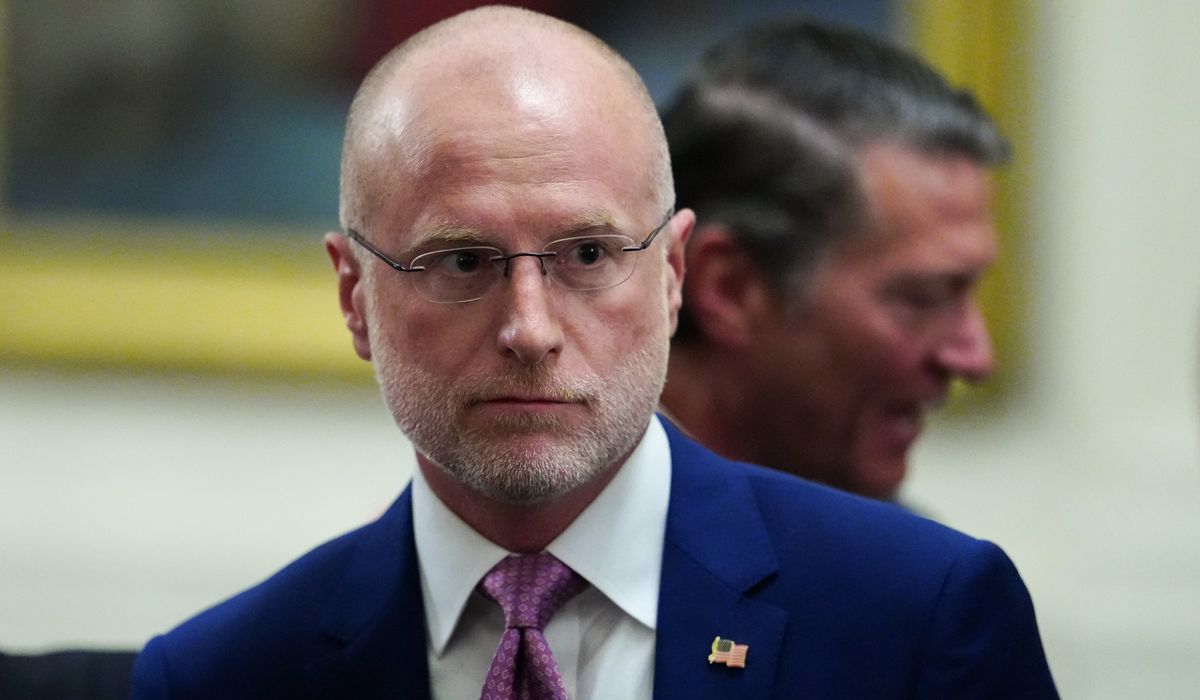
The Federal Communications Commission is reviewing the broadcast licenses of local stations directly owned by ABC. This development raises questions about regulatory consistency, media accountability, and the role of government in policing broadcast content. The move will affect local viewers, station managers, and the broader debate over media fairness.
The Federal Communications Commission is reviewing the broadcast licenses of local stations directly owned by ABC. That action is a big deal because broadcast licenses are not mere permits; they are privileges tied to public trust and an obligation to serve local communities. From a Republican viewpoint, the core concern is ensuring the FCC enforces rules evenly and protects free expression without political favoritism.
When the FCC scrutinizes network-owned local stations, it touches on more than technical compliance and tower safety. Licensing reviews can examine whether stations met public-interest obligations, such as local news, emergency alerts, and balanced coverage. Conservatives worry that such reviews can be weaponized if regulators apply standards selectively or chase ideological scores instead of sticking to clear, neutral rules.
ABC-owned local outlets operate in markets where their reporting shapes local conversations and community priorities. Republican critics point out that regulatory power should not be used as leverage to influence editorial decisions or to penalize viewpoints that officials dislike. The FCC’s job is to guard the airwaves on behalf of Americans, which means transparency in why reviews happen and what standards are being enforced.
Local stations employ journalists, producers, and technical staff who depend on predictable regulatory environments to plan and invest. License reviews introduce uncertainty that can chill local reporting and investment in local programming. From a fiscal conservative angle, the government should avoid heavy-handed intervention that discourages local service and harms jobs without a clear, nonpartisan justification.
There’s also a structural issue: how the FCC interprets the public-interest standard. For decades, that phrase has been flexible, and critics say it is now too elastic for comfort. Republicans favor bright-line rules and accountable procedures so broadcasters know what they must do and regulators cannot shift the goalposts based on political winds.
Accountability matters both ways. If a station fails to meet legal or technical obligations, enforcement is appropriate and necessary to maintain trust in the public airwaves. Yet enforcement must be even-handed and limited to bona fide violations, not used to punish editorial choices or to intimidate outlets that dissent from prevailing official narratives. The balance between oversight and free press is delicate and essential.
Practical consequences could include fines, mandated corrective actions, or, in extreme cases, conditions on renewal. Any such steps should follow due process and be supported by clear evidence. Republicans emphasize the importance of procedural fairness: hearings, documented violations, and avenues for appeal so that broadcasters have a fair opportunity to respond.
There’s a broader policy lesson here about the way media regulation intersects with competition and consumer choice. Policymakers should consider whether current rules encourage a diverse, decentralized media ecosystem where local voices can thrive. Where consolidation undermines local coverage, the solution should be market-friendly reforms and enforcement that promotes competition rather than politically motivated crackdowns.
The public deserves clarity about the reasons behind this review and the criteria the FCC will use. Conservatives argue for a limited, transparent process that protects First Amendment values while ensuring stations meet legitimate obligations to their communities. That approach maintains trust in both the media and the institutions that regulate it, without turning license reviews into a politically driven exercise.

