

A volatile turn in eastern Congo left Uvira under the control of the Rwanda-backed M23, driving civilians into fear and chaos while diplomacy struggles to keep pace.
A climate of fear reigned Saturday in Uvira, a strategic city in eastern Congo, days after it fell to the Rwanda -backed M23 group, as fighting in the region escalated despite a U.S. mediated peace deal. Local residents described checkpoints and armed patrols, and many families fled toward safer towns or across the lake. The city’s fall shifted the frontline and complicated humanitarian access for relief organizations trying to reach frightened civilians.
Uvira matters because of its geography and its role in cross-border trade on Lake Tanganyika, which makes control of the city valuable to any armed actor that wants leverage. The M23’s advance was rapid enough that Congolese units pulled back in several neighborhoods, leaving a patchwork of authority and uncertainty. For communities that lived next to the fighting, the immediate concerns are food, shelter, and clear routes to safety.
Beyond immediate survival, the takeover raises questions about regional stability and who benefits from the new balance of power. Observers point to Rwanda’s influence over M23 as central to the puzzle, and neighbors are watching whether the new reality will provoke wider clashes. This is not just a local security issue; it affects trade, displacement patterns, and diplomatic ties across central Africa.
The U.S. has been involved in mediation efforts, but the persistence of fighting suggests those talks have not stopped on-the-ground moves. From a Republican vantage point, diplomacy that lacks enforceable consequences can leave partners and civilians exposed to aggression. Stronger, clearer signals and concrete support for Congolese sovereignty would be the minimum response needed to restore deterrence in the region.
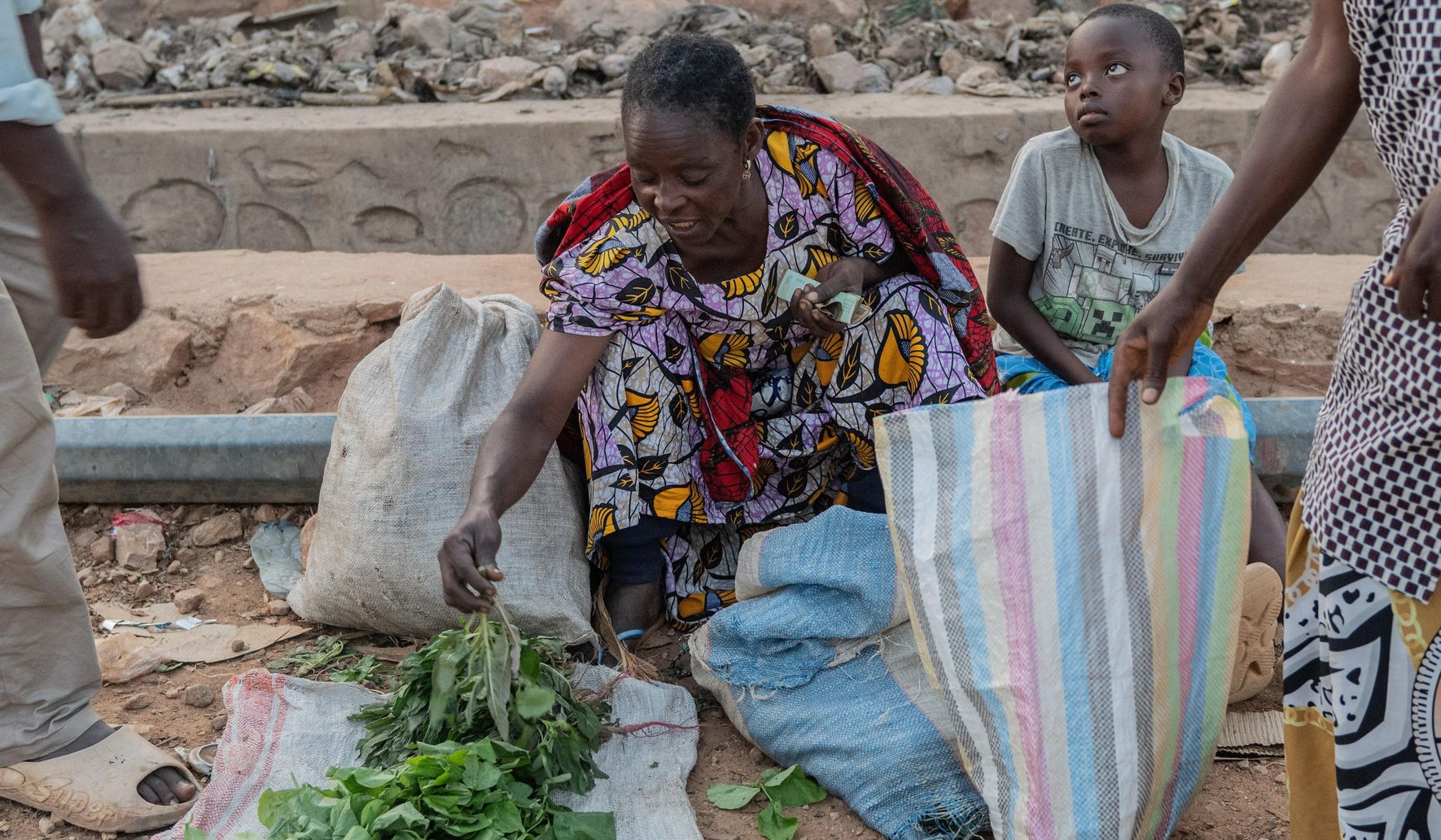
Civilians are already paying the price. Hospitals reported being overwhelmed and aid groups warned of supply bottlenecks as roads and routes became insecure. Parents described the stress of gathering children and what little they could carry, while local markets emptied as people fled or hunkered down. The humanitarian fallout will be longer lasting than any single battle; when fear becomes the daily norm, recovery and trust take much longer.
Security responses now face a tough choice: try to dislodge M23 through Congolese-led operations or push harder on regional and international pressure to alter the strategic calculus. Both paths carry risk and neither guarantees a clean outcome, but doing nothing is also a decision with costs. Republican policymakers would argue for a combination of targeted pressure on those backing insurgents and practical support for local forces to protect civilians and restore order.
Finally, there is a political dimension at home and abroad. U.S. engagement must be consistent and must back clear objectives that protect civilian populations while upholding the sovereignty of states in the region. Anything less will invite more instability and give armed groups room to exploit diplomatic fatigue. The coming days will show whether governments and international partners can move from statements to actions that change the course on the ground.

