

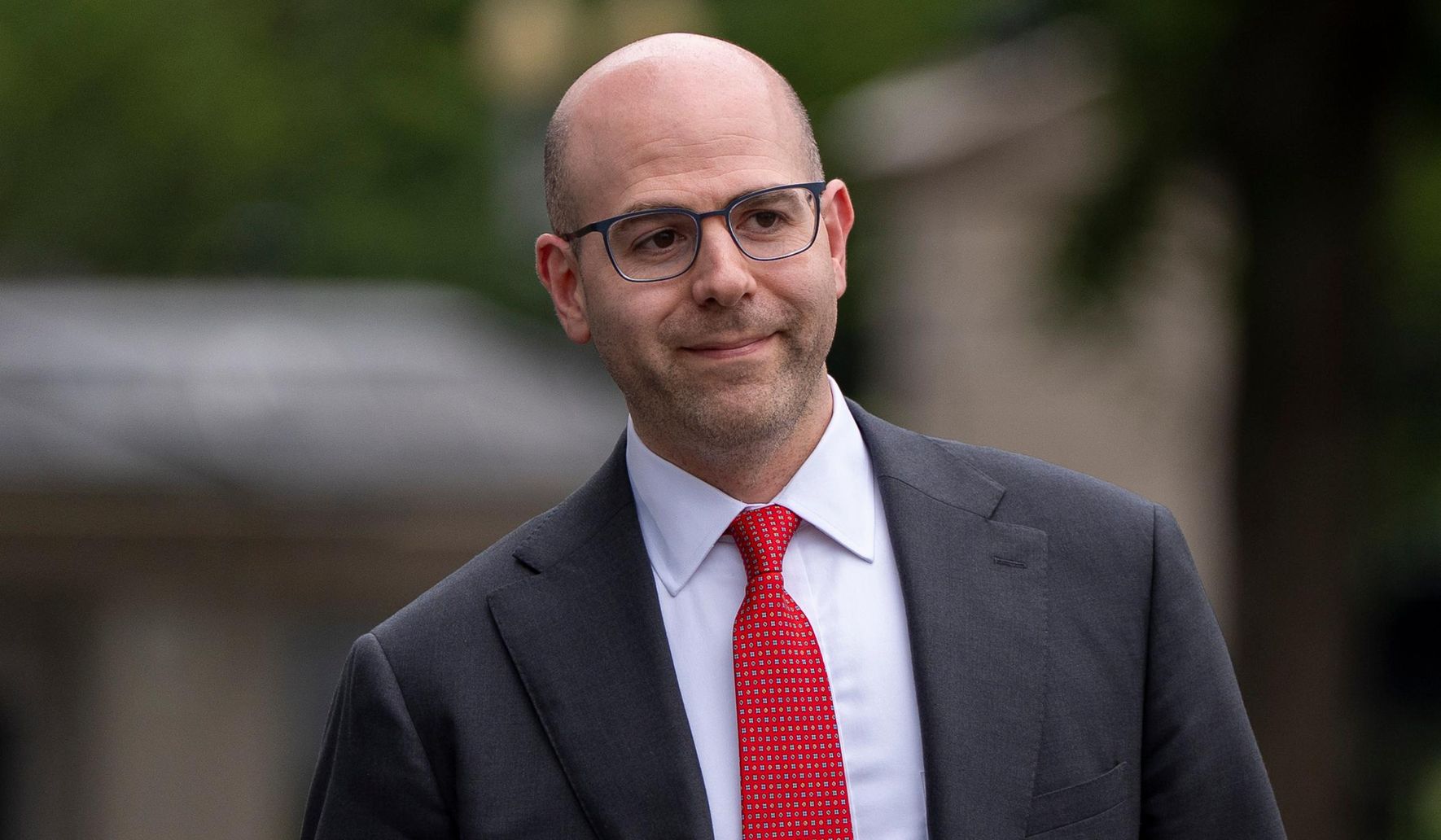
Federal Reserve governor Stephen Miran has stepped down from his position as chair of the White House’s Council of Economic Advisers, ending a controversial arrangement where he held positions at both the Federal Reserve and the White House.
Stephen Miran’s resignation from the White House role closes a chapter that many saw as an odd overlap between monetary policy and political advising. The arrangement put a sitting Federal Reserve governor into a visible White House post, which raised immediate questions about the separation between an independent central bank and the administration. Republicans and fiscal hawks flagged the setup as a potential conflict of interest the moment it was announced.
This change restores, at least symbolically, a clearer line between the Fed and the White House. Independence of the Federal Reserve matters because monetary policy should not be swayed by political calendars or White House priorities. For conservatives who value predictable markets and restrained government influence, the move removes an uncomfortable precedent.
The controversy wasn’t just academic; it had real political heat. Critics argued that a dual role could blur accountability and invite accusations that the Fed was being politicized. Supporters of strict institutional boundaries viewed Miran’s departure as overdue, insisting that checks and balance must remain visible to the public and to investors.
Beyond optics, there are practical implications for how economic advice gets channeled into policy. When a Fed official also sits in the White House team, it raises questions about which audience they are serving at any given moment. Republicans pushed for clearer lines and for rules that prevent senior central bankers from holding concurrent political appointments.
The episode also highlights a broader debate about governance and expertise in Washington. On one hand, policymakers want experienced economists advising both monetary and fiscal decisions; on the other, voters and markets demand institutional clarity and independence. Republican commentators argued that expertise must not come at the cost of transparency or the appearance of favoritism.
Moving forward, this resignation should prompt lawmakers to consider guardrails that keep monetary authorities distinct from direct political advising. It is possible to value expertise while still enforcing norms that protect institutions and public trust. The public deserves confidence that those steering monetary policy do so free from political double duty.

