

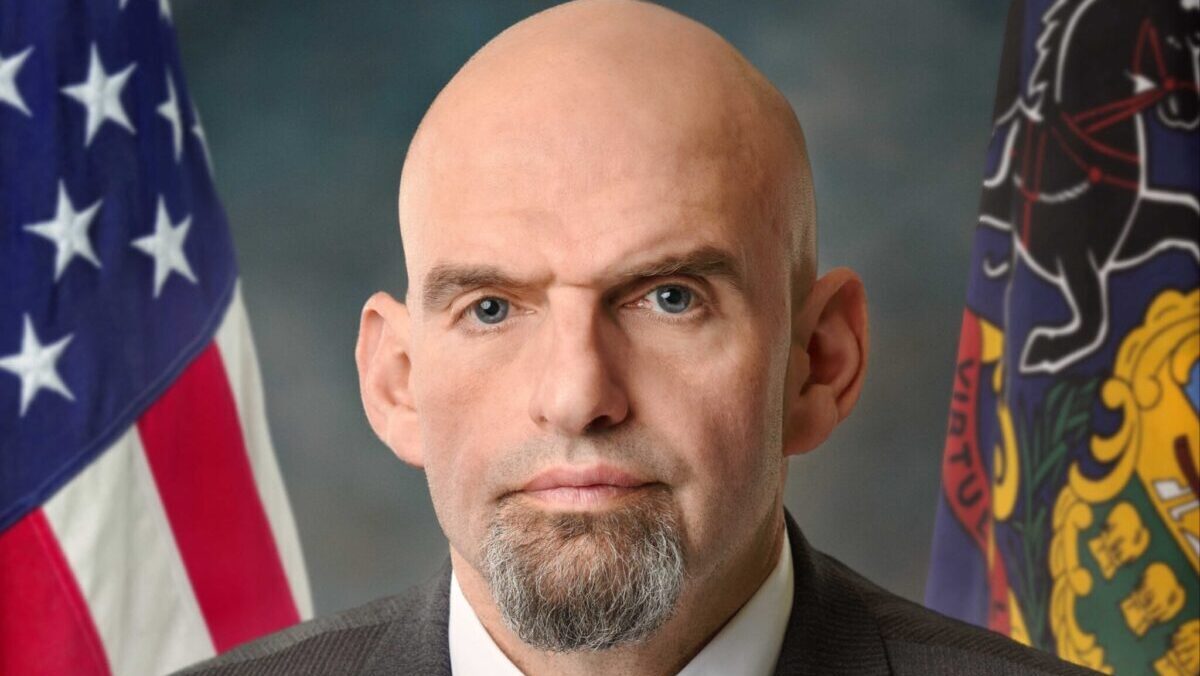
Sen. John Fetterman broke with most Senate Democrats to end a 42-day federal shutdown, sparking sharp criticism from Gov. Gavin Newsom and a public defense from Fetterman that he acted to protect Pennsylvanians and federal workers.
Sen. John Fetterman was one of eight Senate Democrats who voted to reopen the federal government after a 42-day shutdown. The move split his party and drew fierce public comment from California Gov. Gavin Newsom. Conservatives and many Republicans framed Fetterman’s vote as the sensible choice to end needless harm to Americans. Democrats who wanted to keep the shutdown going saw it as political strategy that crossed a line.
Newsom issued a blunt statement on social media criticizing those who broke ranks, arguing the Senate missed an opportunity to show resolve. His message was sharp and direct, suggesting the actions amounted to a betrayal of working Americans. That tone underscored how tense the Democratic debate became over whether to prioritize leverage or basic services for citizens.
Newsom wrote, “Tonight’s Senate vote on the federal government shutdown would have been a time for strength,” to press his point about standing firm. He added, “Instead, we saw capitulation and a betrayal of working Americans. The American people need more from their leaders,” insisting leaders owe the public steady governance. The governor’s criticism reflects a faction of the party that preferred to keep pressure on spending and policy fights even as everyday services stalled.
Fetterman pushed back publicly and without apology during interviews and on podcasts, saying he put his constituents first. He told podcast host Bari Weiss, “I don’t really spend any time worrying about what Gov. Newsom thinks. For me, it’s like this was the right call — this is the battleground representative here.” That straight talk made clear he viewed the shutdown as an unacceptable cost to Pennsylvanians, not a bargaining chip.
Fetterman continued, “You can’t troll your way to explain to two million Pennsylvanians that they can’t count on their SNAP benefits. I refuse to play chicken for people,” which framed his vote as protecting vulnerable families. He emphasized the practical consequences: federal workers missing paychecks, air travel disruptions, and people losing access to nutrition programs. That practical focus resonated with voters who saw the shutdown as needless pain.
On television he was equally blunt about party dynamics, saying, “I think my party crossed a line.” Fetterman positioned his choice as a red line he could not let stand, signaling a willingness to break with party leaders when he believes lives and services are at stake. Republicans used his comments to argue that not all Democrats support prolonged political brinkmanship at the expense of ordinary Americans.
The senator’s stance also sparked rumors about his political future, but he addressed those directly in conversation with Fox News host Jesse Watters. Watters said, “You’re agreeing with the Republicans on the shutdown, you’re agreeing on Israel, you’re agreeing on the woke B.S,” and asked, “Are you close to becoming a Republican?” The exchange highlighted how Fetterman’s positions sometimes overlap with conservative priorities on practical governance and national security.
Fetterman answered the speculation plainly: “No, no, I’d be a terrible Republican, but I’ll just be a very honest Democrat that’s not necessarily afraid to push back against some of these views that I just don’t agree with,” Fetterman replied. That line kept him inside the Democratic label while admitting his willingness to defy party orthodoxy. For Republicans, that sort of independent streak reinforces a message that some Democrats still value commonsense governance over theatrical tactics.
The shutdown fight left clear political bruises and a fresh narrative for both sides. Republicans used the episode to argue Democrats were playing politics with services people rely on, while Fetterman and his allies argued he simply avoided hurting Pennsylvanians. The disagreement exposed a fault line within the party about how far to push in pursuit of longer-term policy goals when everyday consequences are severe.

