

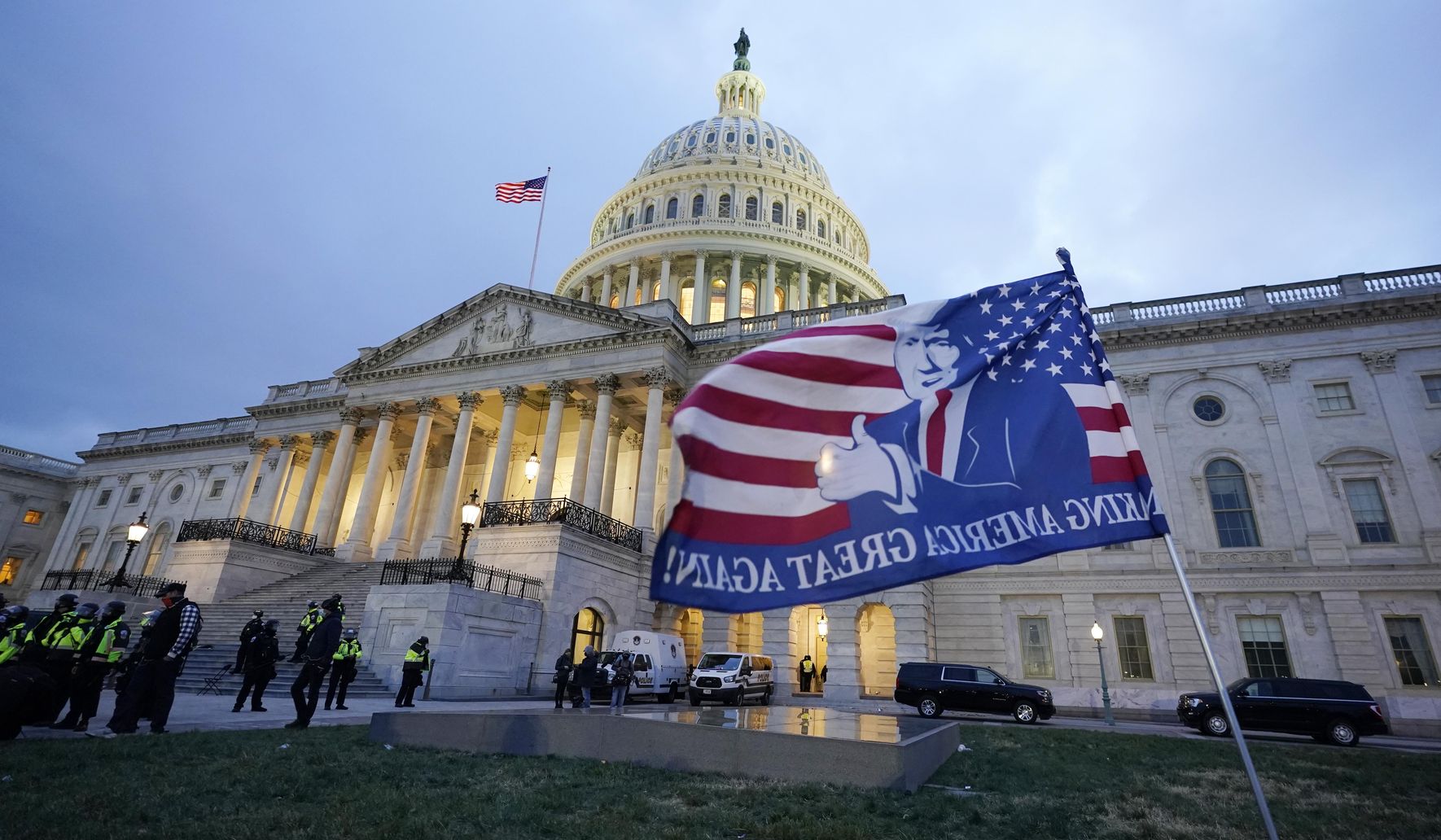
Five years after the January 6, 2021 Capitol riot, President Trump has reshaped that moment from a political liability into a galvanizing rallying point, including an unprecedented move that resulted in pardoning over 1,000 people connected to the events, and this shift has reoriented party messaging, grassroots energy, and the legal conversation around protest and punishment.
What once looked like a political disaster for a candidate has been reframed as an emblem of resistance for his supporters. The narrative now centers on forgiveness, loyalty, and pushing back against institutions that many voters see as biased. That repositioning has changed how Republican campaigns talk about law, order, and dissent.
The decision to pardon over 1,000 people connected to the January 6 events sent a clear signal: the president values allegiance and views those actions through a partisan lens. Supporters call the clemency an act of justice for people they believe were treated unfairly. Critics say it undermines accountability, but for the base it reinforced a sense of political vindication.
Turning the riot into a rallying point did more than reshape campaign slogans; it mobilized volunteers, donors, and media attention on a new set of talking points. Grassroots organizers leaned into the story, framing prosecutions as selective and the pardons as corrective. That energy translated into rallies, fundraising spikes, and a steady stream of social content that dominates the party ecosystem.
Politically, the move recalibrated the risks for both parties. For Republicans, embracing the pardons reduced the penalty for associating with January 6 actors and allowed leaders to shift the debate toward broader themes like free speech and electoral integrity. Democrats, meanwhile, had to decide whether to keep the focus on law and order or broaden their own appeal beyond outrage politics.
Legally, the pardons reopened debates that once seemed settled. Questions about the limits of executive clemency, the independence of prosecutors, and the fairness of trials moved back into public view. That debate plays well to a constituency skeptical of judges and federal agencies, and it keeps attention on the interplay between politics and law.
Media coverage followed the partisan split, amplifying different angles depending on the outlet. Conservative platforms framed the pardons as courage and a necessary correction to political prosecutions, while liberal outlets emphasized the rule of law and the precedent set by sweeping clemency. The tug-of-war in coverage guaranteed the story stayed relevant through election cycles.
The long-term effects go beyond headlines and campaign rallies. Institutional trust has been eroded on all sides, with citizens increasingly convinced that justice can be shaped by politics. That cynicism fuels turnout for those who want to change the system and for those who want to defend it, intensifying the stakes of each election.
For Republican strategists, the lesson is clear: converting controversy into loyalty can pay political dividends when executed with discipline. Messaging that casts legal actions as political persecution taps into a deeper current of resentment and identity politics. The result is a party increasingly comfortable with reframing legal losses as moral victories.
At the same time, opponents are forced to respond to a new normal where forgiveness can be mass-issued and the boundaries between protest and criminality are contested in the public square. That dynamic will shape debates about reform, accountability, and the power of the executive branch in years to come, leaving policymakers and voters to navigate a landscape where political symbolism often outweighs conventional norms.

