

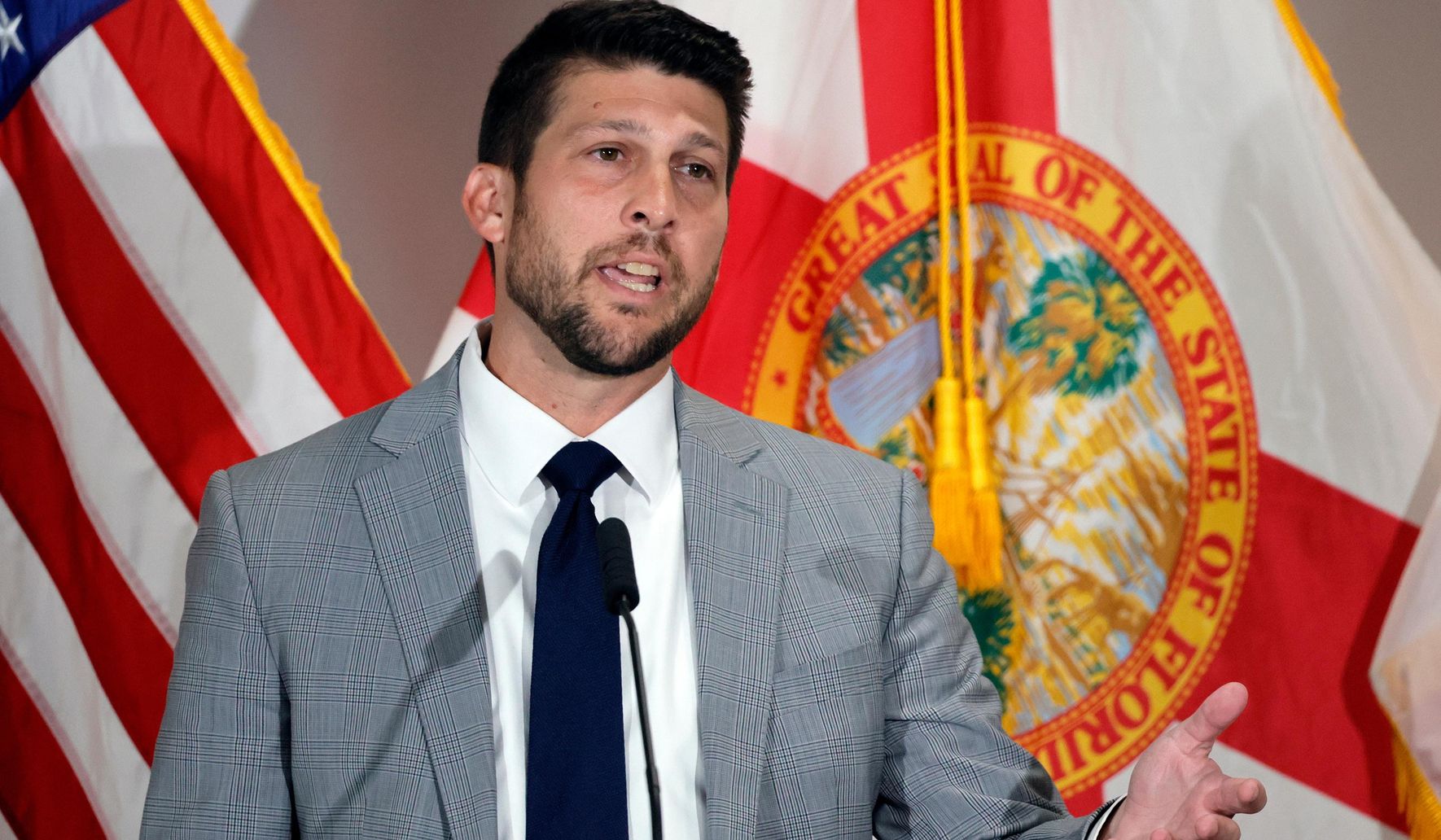
Florida Attorney General James Uthmeier on Tuesday sued three medical associations for promoting “gender-affirming care” for minors, arguing those groups misled families and downplayed risks, and opening a fight over medical practice, parental rights, and government accountability.
The complaint filed by Attorney General James Uthmeier accuses three major medical organizations of pushing an agenda that encourages irreversible treatments for children while minimizing the potential harms. On Tuesday he took that complaint to the courthouse, saying families were given an incomplete picture and that regulators must step in. The move signals a broader effort to challenge medical orthodoxy when it intersects with young lives and parental consent.
From a conservative perspective, this case is about protecting children and restoring clear information to parents. Uthmeier frames his action as stopping what he calls misleading guidance aimed at vulnerable families and argues the public has a right to honest, transparent medical advice. Republicans view state intervention as necessary when professional groups appear to prioritize ideology or institutional interests over patient safety.
The lawsuit leans on consumer-protection concepts and state oversight of professional conduct, seeking to hold associations accountable for how they present treatments and risks. It alleges that promotional materials, guidelines, or public statements created an impression that certain interventions were routine, low-risk, or universally appropriate for minors. That legal angle treats the issue as more than academic debate; it is a question of fair dealing and informed consent.
Parents caught in the middle are often left wrestling with technical language, activist framing, and conflicting advice from physicians or clinics. The suit argues those parents deserve clarity about long-term outcomes, reversible versus irreversible options, and the limits of existing evidence. For many Republican voters, the priority is straightforward: parents should receive comprehensive, balanced information before any irreversible medical step for a child.
Medical associations typically respond to this kind of action by defending their guidelines as grounded in research and clinical experience, and promising to defend professional judgment in court. Uthmeier’s filing challenges that claim by saying promotional efforts crossed the line from education into persuasion. That battleground—whether guidelines educate or influence—matters because it determines the allowable bounds of advocacy by scientific bodies.
The political backdrop is unmistakable: several states have tightened rules around minors and gender-related interventions, and conservative officials have made restricting or scrutinizing those treatments a priority. This lawsuit is not an isolated enforcement action; it is part of a coordinated push in statehouses and attorney general offices to remake policy through litigation and regulation. Voters concerned about medical freedom for children see the filing as an appropriate step.
Legal fights like this will touch on science, standards of care, and constitutional questions about professional speech and state regulation. Discovery could force the associations to disclose internal communications, guideline development notes, and the empirical basis for recommendations. That process could reshape how medical bodies produce public-facing materials about sensitive pediatric care.
Expect a robust defense from the targeted associations and a high-profile courtroom contest that draws national attention. For now, Republican leaders are framing the suit as a defense of parental authority and an effort to ensure that medical organizations do not become de facto policymakers without checks. The case will test how far state attorneys general can go in policing professional guidance.
The immediate outcome will be legal, but the larger ripple effects will reach families, clinics, and policymakers deciding where to draw lines for pediatric care. Courts will have to weigh claims of misleading promotion against claims of academic freedom and clinical discretion. Whatever happens next, the dispute will shape public debate on how medicine, government, and parents interact when children are involved.

