

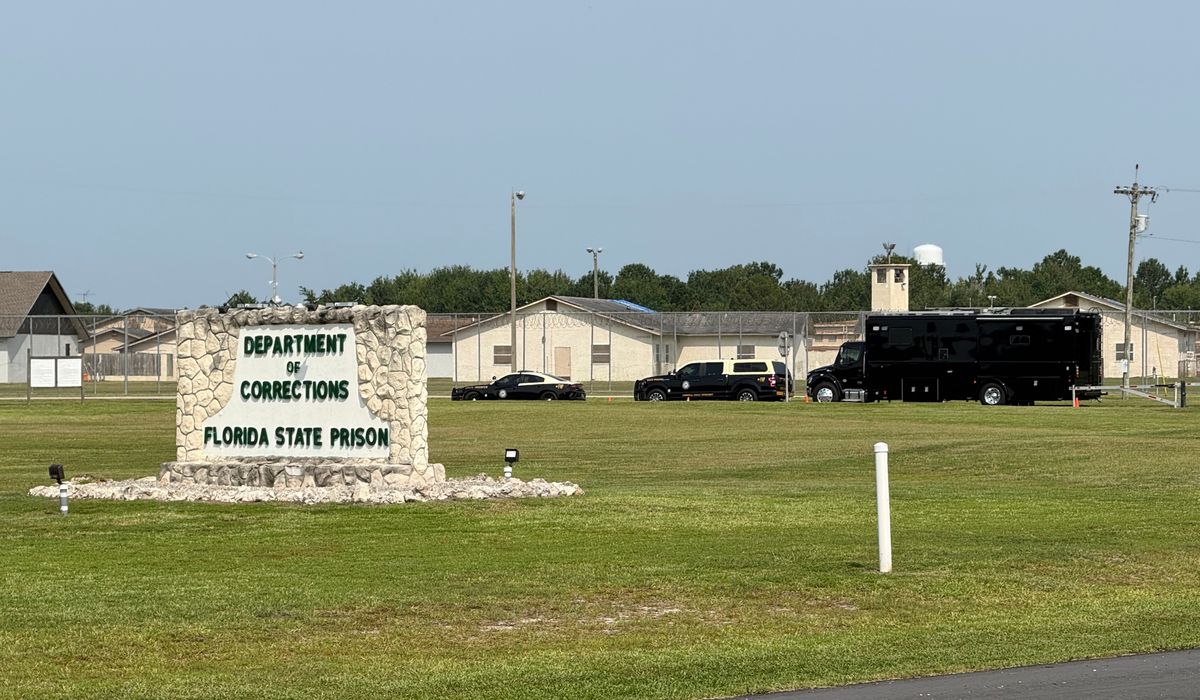
A Florida man convicted of fatally shooting his estranged wife and wounding his mother-in-law was executed Tuesday, a case that comes amid continued use of capital punishment under the state’s Republican leadership.
The man was convicted in the fatal shooting of his estranged wife and the wounding of his mother-in-law, and authorities carried out an execution on Tuesday. The case has been cited as another example of Florida’s robust enforcement of its death penalty statutes under a Republican governor. Families on both sides pushed through years of court proceedings, appeals and reviews before the sentence was carried out.
Victims’ relatives described the execution as a necessary step toward closure after a violent, personal crime that upended their lives. They emphasized the need for accountability when a crime is homicide and there are aggravating factors that led prosecutors to pursue the death penalty. Many in the community echoed a desire for justice to match the severity of the crime.
Defense attorneys continued to raise legal and constitutional questions throughout the process, arguing for reconsideration of the sentence on a range of procedural and mitigating grounds. Those appeals followed established legal channels but were ultimately unsuccessful in overturning the conviction and sentence. The courts reviewed evidence, testimony and arguments as required by law before the execution proceeded.
From a public safety perspective, supporters of capital punishment framed the outcome as a reinforcement of law and order and a deterrent for the most serious violent crimes. They pointed to the prolonged legal process as proof that justice under the system is deliberate and thorough, not hasty. The state’s officials have emphasized that maintaining tough penalties is part of protecting victims and upholding community standards.
Opponents of the death penalty raised objections ranging from moral concerns to questions about fairness and the risk of error in capital cases. They highlighted broader debates about the application of the ultimate punishment and whether life imprisonment might be a better alternative. Those who oppose capital punishment often point to systemic inequities and the uneven application of sentencing in different jurisdictions.
Legal experts noted that the case followed the familiar arc of capital litigation: conviction, sentencing, automatic appeals and post-conviction review. Each stage added layers of scrutiny intended to prevent miscarriages of justice and to ensure constitutional protections are respected. The multiphase process can take years, which some see as necessary caution and others see as prolonged suffering for victims’ families.
Florida’s recent pattern of enforcing death sentences reflects a political and legal environment that favors strong penalties for certain violent crimes. Elected leaders and prosecutors who advocate for capital punishment argue that it is an appropriate tool in extreme cases. Critics counter that policy choices should prioritize fairness and alternatives that avoid irreversible outcomes.
Community reaction to the execution was mixed, with many expressing relief and others voicing continued resistance to the death penalty as a policy. Advocates for victims’ rights emphasized that the result was consistent with the jury’s verdict and the legal framework in place. Meanwhile, civil liberties groups reiterated calls for reforms and for reevaluating capital punishment in a modern justice system.
The case underscores enduring tensions in public policy between punishment and rehabilitation, between finality and error prevention, and between the perspectives of victims’ families and those opposed to the death penalty on principle. It also illustrates how local prosecutions intersect with statewide policy choices and executive leadership. As the state moves forward, debates over capital punishment are likely to remain active and politically charged.

