

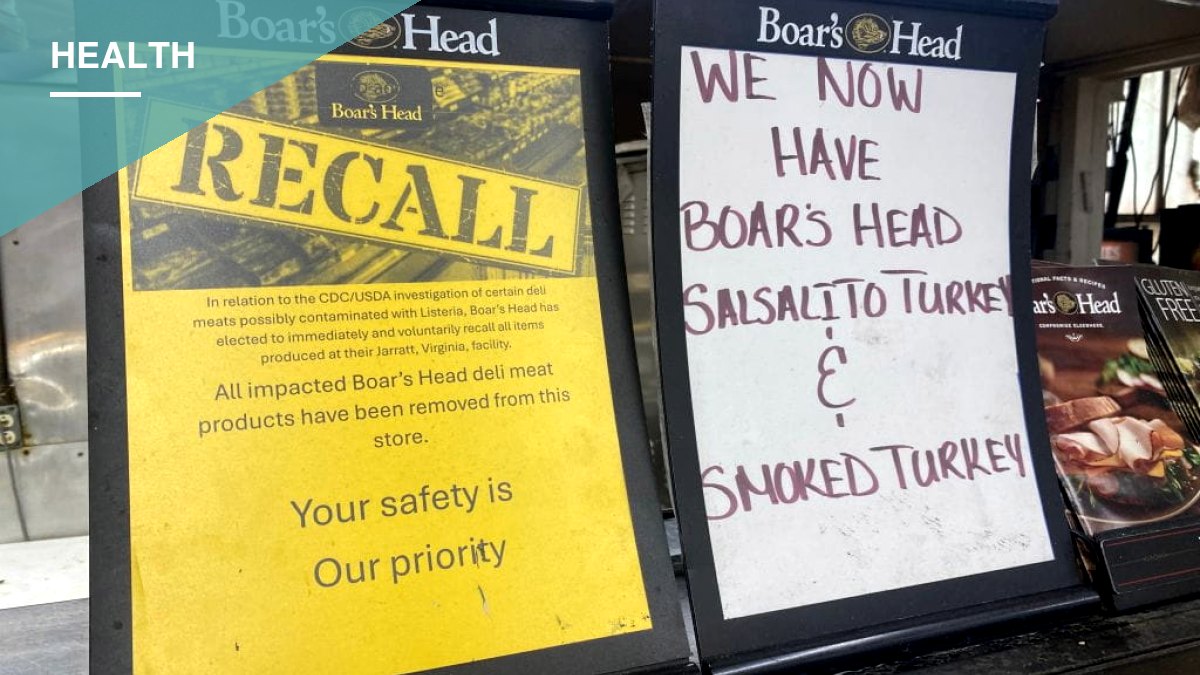
Eggs, lettuce, jalapeños, sprouts, frozen berries, fruit bars, bread, candy and olive oil have all been pulled from stores in recent months, part of a wave of food recalls that has left many shoppers wondering whether the American food supply is falling apart. The answer, according to a review of recent data and reporting, is less alarming than it looks but still worth understanding.
There is no single cause. Instead, better detection technology, ordinary human error, sanitation lapses, uneven company oversight, and gaps in worker training all play a role, and a single contaminated ingredient can force several unrelated products off shelves at once.
Better Technology Means More Discoveries
Foodborne illness detection has advanced dramatically over the past two or three decades. Genetic sequencing now allows investigators to link a Salmonella case in one state to a case elsewhere and trace both back to the same supplier, something that used to look like coincidence.
A July outbreak of Cyclospora, an illness some described as causing severe diarrhea, was traced to a farm in Mexico growing shredded lettuce. According to the Centers for Disease Control and Prevention, the outbreak spread across 20 states and produced more than 11,000 cases.
Human Error at Every Step
Contamination can occur at any point in the food chain, from growing and harvesting to processing, packaging, transportation, restaurant preparation, and retail handling. Workers who fail to wash their hands properly, use contaminated gloves, neglect to clean equipment, mix raw and ready-to-eat foods, let food sit at unsafe temperatures, or come to work sick can all introduce risk.
But individual workers are not always to blame. Some may not know the relevant rules, or work for companies that haven’t updated their safety practices, or operate without adequate supervision to enforce the rules that do exist.
Regulators Still Have Unfinished Work
Congress passed the Food Safety Modernization Act in 2011 with the goal of preventing contamination before it reaches consumers rather than reacting after people fall ill. Fifteen years later, a January 2026 Government Accountability Office report found the FDA had completed 41 of 46 requirements examined, but five remained unfinished or only partially done — including updated guidance for farmers on reducing produce contamination, guidance on intentional food tampering, and a better system for tracking food through the U.S. supply chain.
Training Gaps, Not Immigration Itself, Cited as a Factor
Migrants are not the cause of food recalls, but language barriers in food-processing workplaces can compound the problem when training is inadequate. A study published in the Journal of Food Protection found that among small-scale food processors employing workers whose first language was not English, 73% of those workers reported that job training in their native language was lacking.
Differences between food-safety practices in a worker’s home country and U.S. standards can also matter when proper training and oversight are missing, according to the study.
Where Things Stand
As of September 4, 2026, the FDA is investigating several active foodborne illness outbreaks involving Salmonella, Cyclospora, E. coli, Listeria monocytogenes, and Clostridium botulinum, the bacterium that causes botulism. In some of these cases, officials still have not identified the specific food responsible for making people sick.

