

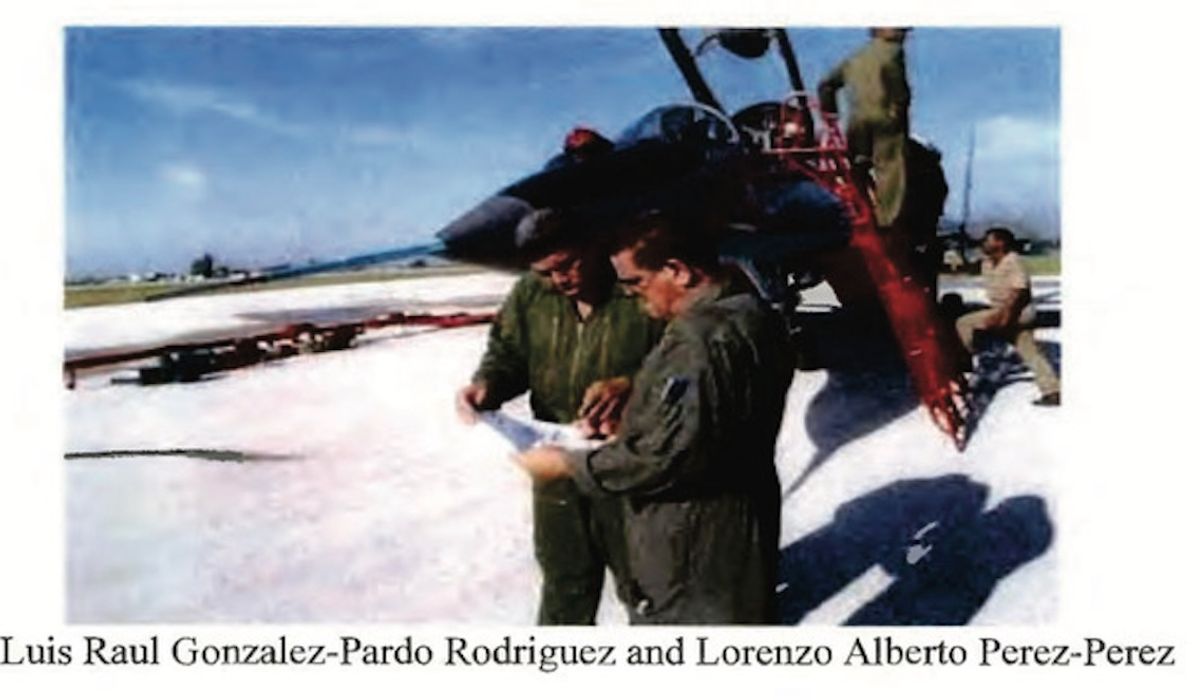
Luis Raul Gonzalez-Pardo Rodriguez, a former Cuban military pilot accused of involvement in the downing of two humanitarian mission planes, was sentenced to seven months in prison in a case that has drawn attention for its ties to events involving humanitarian flights and military personnel.
The court handed down a sentence of seven months in prison to Luis Raul Gonzalez-Pardo Rodriguez, whose background as a former Cuban military pilot figures into the charges. He had been accused of complicity in the downing of two humanitarian mission planes, a claim that framed the legal proceedings and public interest. The case raised questions about how former service members might be linked to incidents affecting relief efforts. Reporting around the trial focused on both the allegations and the sentence imposed.
Publicly available court documents include details about Rodriguez’s military history and the charges he faced, though many specifics remain tied to official filings and testimony. Media coverage noted his prior service in Cuba’s armed forces and the unusual nature of the accusations, which involved humanitarian flights rather than purely military targets. That combination made the case notable in circles tracking aviation incidents and humanitarian operations. Observers also pointed to the legal reckoning that followed allegations of wrongdoing related to relief missions.
Prosecutors presented evidence they said tied Rodriguez to the incidents involving the two humanitarian planes, while defense counsel pushed back on the strength and interpretation of that evidence. The jury or judge weighed competing narratives about intent, responsibility, and the factual circumstances surrounding the flights. In matters like this, technical aviation data, communications logs, and witness statements can play a central role, though the public record often summarizes rather than reproduces those raw exhibits. Still, the sentence indicates the court found sufficient grounds to impose a period of incarceration.
The seven-month term reflects the court’s assessment of guilt and the appropriate penalty under the charges brought, and it will have consequences for Rodriguez’s immediate future. Shorter custodial sentences such as this can be combined with fines, probation, or other conditions, depending on statutory rules and the judge’s orders. Legal analysts often point out that sentencing decisions aim to balance punishment, deterrence, and the facts of the case. For anyone following the matter, the length of the sentence offers a clue to how the justice system viewed Rodriguez’s role.
Families and organizations involved in humanitarian missions reacted to the news with concern about safety and accountability, since the downing of relief aircraft touches on core questions about protecting aid operations. Humanitarian groups typically emphasize the need for clear rules of engagement and safeguards to ensure relief flights can operate without being targeted. Incidents that involve relief flights prompt renewed calls for stronger protective measures and better coordination between military actors and aid organizations. The broader conversation here is about how to prevent tragedies that affect noncombatants and relief personnel.
Legal experts note that cases involving alleged complicity in attacks on humanitarian missions can be complex and often involve international law angles, depending on where and how the incidents occurred. Determining culpability may require tracing chains of command, communications, and the means used to bring down aircraft. In many instances, accountability depends on whether individuals acted independently or as part of an organized effort. The distinction matters for both criminal responsibility and potential diplomatic fallout.
As the sentence takes effect, attention will shift to possible appeals and any collateral legal matters that may follow, such as civil claims or administrative actions tied to Rodriguez’s past service. Appeals processes can extend the timeline and hinge on questions about the admission of evidence, jury instructions, or legal interpretations applied at trial. Meanwhile, those monitoring humanitarian aviation safety will likely keep this case on their radar as an example of the risks such operations can face. It stands as a reminder that legal consequences can follow when civilian relief efforts intersect with military activity.
The outcome in Rodriguez’s case also underscores the broader need for transparent inquiries into incidents that endanger humanitarian missions, so affected parties and the public can understand what happened and why. Clear, credible investigations help build trust and inform steps to reduce future risks for relief flights. For now, the seven-month prison sentence marks a legal milestone in the matter involving Luis Raul Gonzalez-Pardo Rodriguez and the two humanitarian mission planes.

