

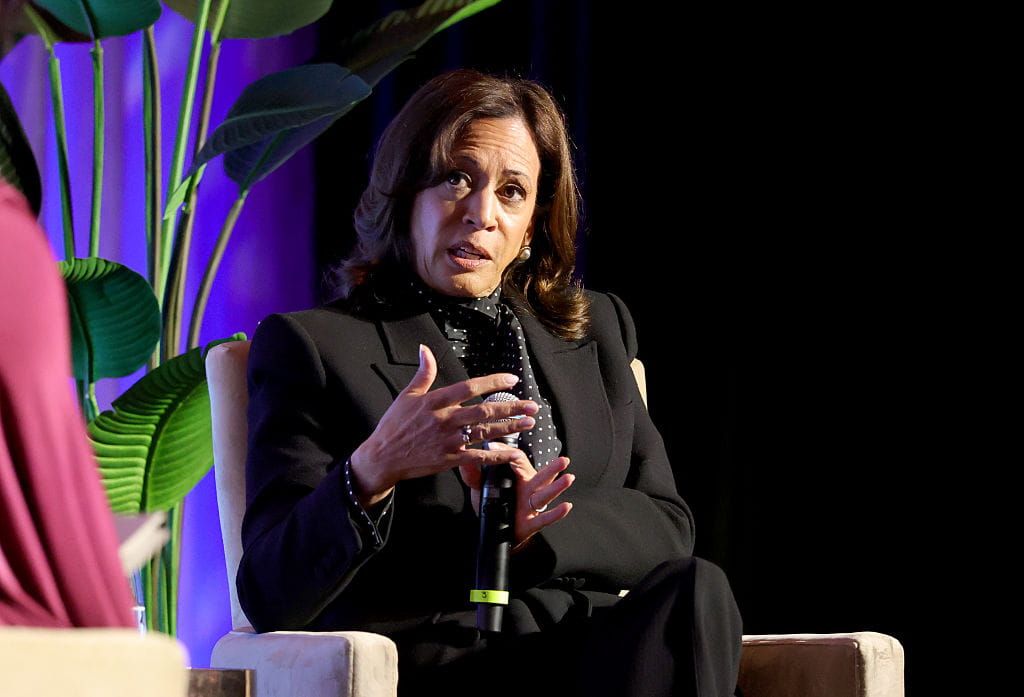
Kamala Harris Continues to Spook Donors: a look at why political money is skittish, what donors are signaling, and how personality and perceived electability are shaping the 2028 outlook.
Kamala Harris Continues to Spook Donors is not just a headline, it’s the reality donors are talking about behind closed doors. Republicans and independents alike hear a pattern: popularity in certain pockets does not equal the kind of broad appeal donors expect before they write big checks. As cash conversations move from optimistic to cautious, the Democratic map for 2028 looks more unsettled than the polls suggest.
As of Aug 12, 2026, fundraisers report a shift in tone that matters more than sound bites. Pragmatic donors who once treated party loyalty as a given now behave like investors weighing risk and return. They ask blunt questions: can this figure win a swing state without baggage that scares suburban voters, donors that prize competence, or industries worried about policy volatility?
There’s no mystery to donor psychology — they buy potential, not promise. When a candidate’s favorables are high in headline polls but low in persuasion metrics, donors get nervous. That gap is where skepticism lives, and for many the concern centers on whether charm or fame can survive a general election gauntlet against Republicans focused on economic messaging and national security.
Another key worry is discipline. Donors want a campaign that looks like a business: clear plan, disciplined message, and steady execution. They’ve seen charismatic figures stumble under scrutiny, and that creates hesitation. For people writing six-figure checks, charisma without a credible plan is just a risk they don’t need.
The vice presidency adds another wrinkle. Holding such a high office should be an asset, but for some donors it becomes a liability if actions or statements are portrayed as disconnected from everyday voter concerns. The contrast between an image of establishment confidence and a narrative of being out of touch is what moves sizable contributions from “maybe” to “no.”
Republican strategists watching this say the GOP has an opening to frame the conversation around competence and fiscal stewardship. That message plays well with donors who prefer steady, measurable returns on their political investment. For conservatives, the upside is plain: spotlight donor doubts now, and force Democrats into defensive fundraising that limits their flexibility.
Donors are also practical about alternatives. If the perceived frontrunner can’t consolidate funds, backers migrate to candidates with clearer paths to victory. That creates a feedback loop: less money means fewer staff, less messaging reach, and growing doubts among voters — which in turn scares off more donors. It’s a simple market logic that campaigns ignore at their peril.
What remains clear to many conservative watchers is this: a popular figure in media cycles is not automatically a safe bet at the ballot box. The political market values electability, stability, and clarity of purpose, and donors are ruthless in allocating capital where they see those traits. For Republicans, that makes donors’ unease a strategic advantage heading into the next cycle.

