

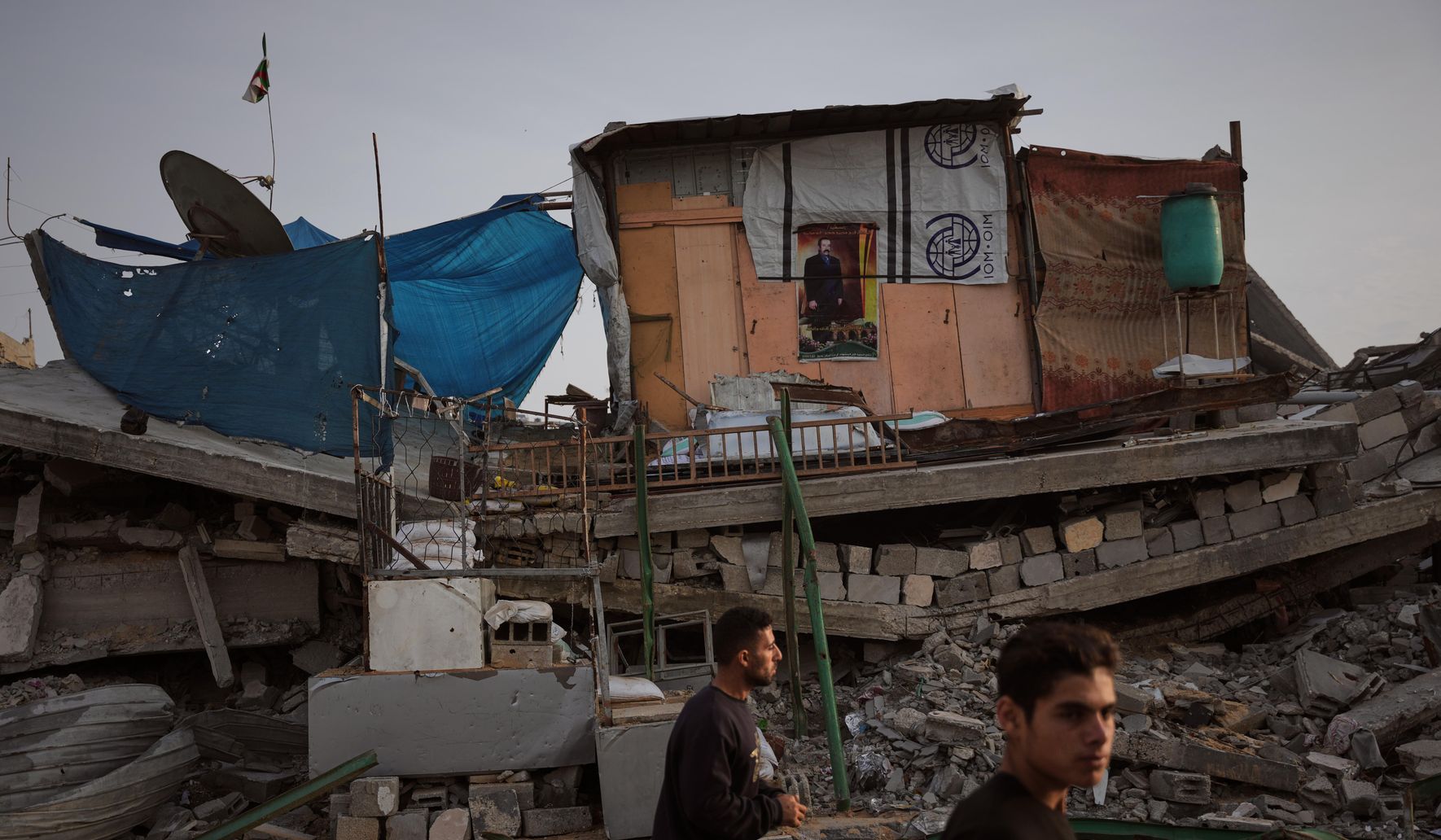
The Palestinian death toll has surpassed 70,000 since the Israel-Hamas war began, Gaza’s Health Ministry said Saturday, and a hospital reported that Israeli fire killed two Palestinian children.
The scale of civilian suffering in Gaza is staggering, and those numbers are driving a hard look at both military tactics and humanitarian response. Hospitals in the territory are stretched thin, reporting mounting casualties while struggling with fuel, supplies, and damaged infrastructure. Local health officials have repeatedly issued grim tallies, and the figure above underscores how deep the crisis has become.
Behind the statistics are families and neighborhoods torn apart, with many displaced multiple times as areas become combat zones. Medical centers have been forced to operate in makeshift conditions, and the loss of power and clean water has compounded dangers for patients and staff. International relief groups say access remains unpredictable, complicating efforts to reach the sick and injured.
From a Republican perspective, the starting point is clear: Israel has a right to defend itself after the unprecedented attacks it faced, but military operations must do more to protect civilians. That dual reality is uncomfortable but necessary to state plainly. While Israel confronts Hamas, the moral and strategic cost of civilian casualties is a serious concern that demands attention.
Hamas bears primary responsibility for placing fighters and military assets inside populated areas, which increases the risk to noncombatants. This tactic has long been criticized because it turns schools, mosques, and residential blocks into battlefields. When combatants operate among civilians, the military response inevitably produces civilian harm, and that is a tragedy for everyone involved.
At the same time, accountability matters. Independent investigations into incidents that cause civilian deaths are important to establish facts and assign responsibility where warranted. Transparent operations and credible reporting can reduce misinformation and prevent one-sided narratives from hardening into policy mistakes. The public, both here and abroad, deserves clear answers about how these events unfolded.
Humanitarian needs are urgent, and even critics of Hamas argue that relief must get through to desperate civilians without empowering militants. Aid operations must be designed so assistance reaches hospitals, shelters, and families rather than being diverted to armed groups. Practical measures to verify distribution and protect convoys are messy but necessary to ensure help arrives where it is intended.
Media coverage plays a big role in shaping public opinion and policy, and responsible reporting matters in times like this. Accurate, on-the-ground reporting that distinguishes between combatants and civilians helps avoid false equivalence. At the same time, there should be healthy skepticism of reports that lack verifiable sourcing, especially amid a fog of war where propaganda is rampant.
Political leaders should keep the focus on reducing civilian harm while ensuring long-term security for Israelis and Palestinians alike. That means supporting immediate de-escalation where possible and backing steps that prevent future attacks. It also means acknowledging uncomfortable truths about how militant groups operate and how those tactics affect ordinary people in Gaza.
Finally, the international community must work to stabilize the situation through humanitarian channels, diplomatic pressure, and practical support for reconstruction once hostilities ease. Moving forward will require clear-eyed policy choices that balance security and compassion. The human cost already tallied in Gaza demands that these decisions be made with urgency and care.

