

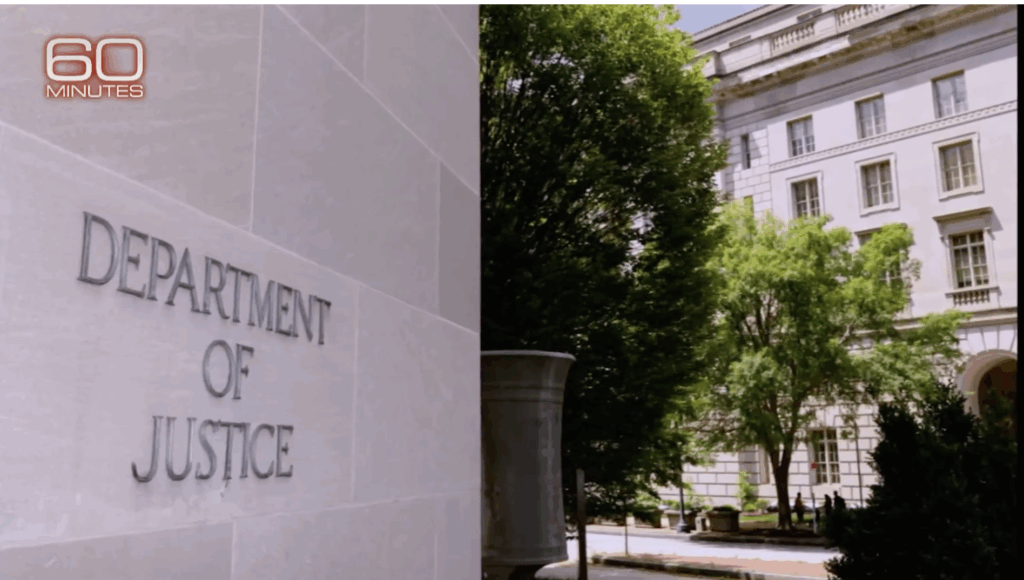
Sen. Grassley says documents reveal partisan fighters who defended Clinton instead went all in on “Arctic Frost,” a probe he calls a full-on attack on President Trump.
This is about partisan patterns, not some abstract debate. The records Grassley references are being used to paint a clear picture: a set of actors who picked their targets and pursued them with ferocity while showing leniency in other cases. That contrast matters because it shapes public trust in probes and in the institutions that run them.
Grassley put it bluntly and exactly: ‘These records show the same partisans who rushed to cover for Clinton rabidly pursued Arctic Frost, which was a runaway train aimed directly at President Trump,’ Grassley said. The line is sharp and unambiguous, and it forces observers to confront the idea that political preference guided enforcement choices. When a senator frames the documents this way, people should take notice and ask why priorities were set the way they were.
The moment raises obvious questions about fairness. If investigators and sympathetic officials treated one set of actors differently than another, the consequence is lost credibility for the whole system. That loss plays into a larger narrative many conservatives already hold: that key institutions pick winners and losers in politically charged fights.
Beyond credibility, there’s a practical cost. A probe pursued with reckless zeal on one side and excuses on the other distorts what gets investigated, what evidence is chased, and what ultimately becomes public. That uneven attention redirects resources and attention away from neutral fact-finding and toward narrative building, which benefits whoever controls the story at the moment.
Calling Arctic Frost a “runaway train” implies momentum with little restraint. When an operation acquires that kind of force, it becomes difficult to stop even if early judgments were flawed. Grassley’s choice of words frames the inquiry as not just vigorous, but out of control, and that framing feeds a demand for accountability.
Accountability, in this context, means more than rhetoric. It means records, oversight, and consistent standards so Americans can see whether decisions were made on evidence or on political interest. Those are procedural rules conservatives traditionally respect: do the job, follow the law, and avoid letting personal or partisan agendas dictate outcomes.
People on the right will read these revelations as confirmation of longstanding concerns: that political bias seeps into investigations and that those biases have real-world consequences for elected leaders and private citizens alike. That reaction isn’t just about defending one politician; it’s about insisting that government act with neutral fairness. When that neutrality is called into question, every future inquiry is viewed through a skeptical lens.
This is also a test for the institutions involved. Do they welcome scrutiny or push back with petty excuses? Do they release records or stonewall? Grassley’s statement, and the records he cites, put pressure on agencies, committees, and media outlets to answer whether their actions reflected consistent standards. The public deserves clarity on process, not spin.
Finally, the broader implication touches political strategy. If partisan players can shape investigations to damage opponents, elections and governance become war by other means. Conservatives will push for reforms that make investigations less susceptible to partisan capture, while still allowing legitimate probes to proceed. That balance is essential if the system is to function in anything like a neutral way.

