

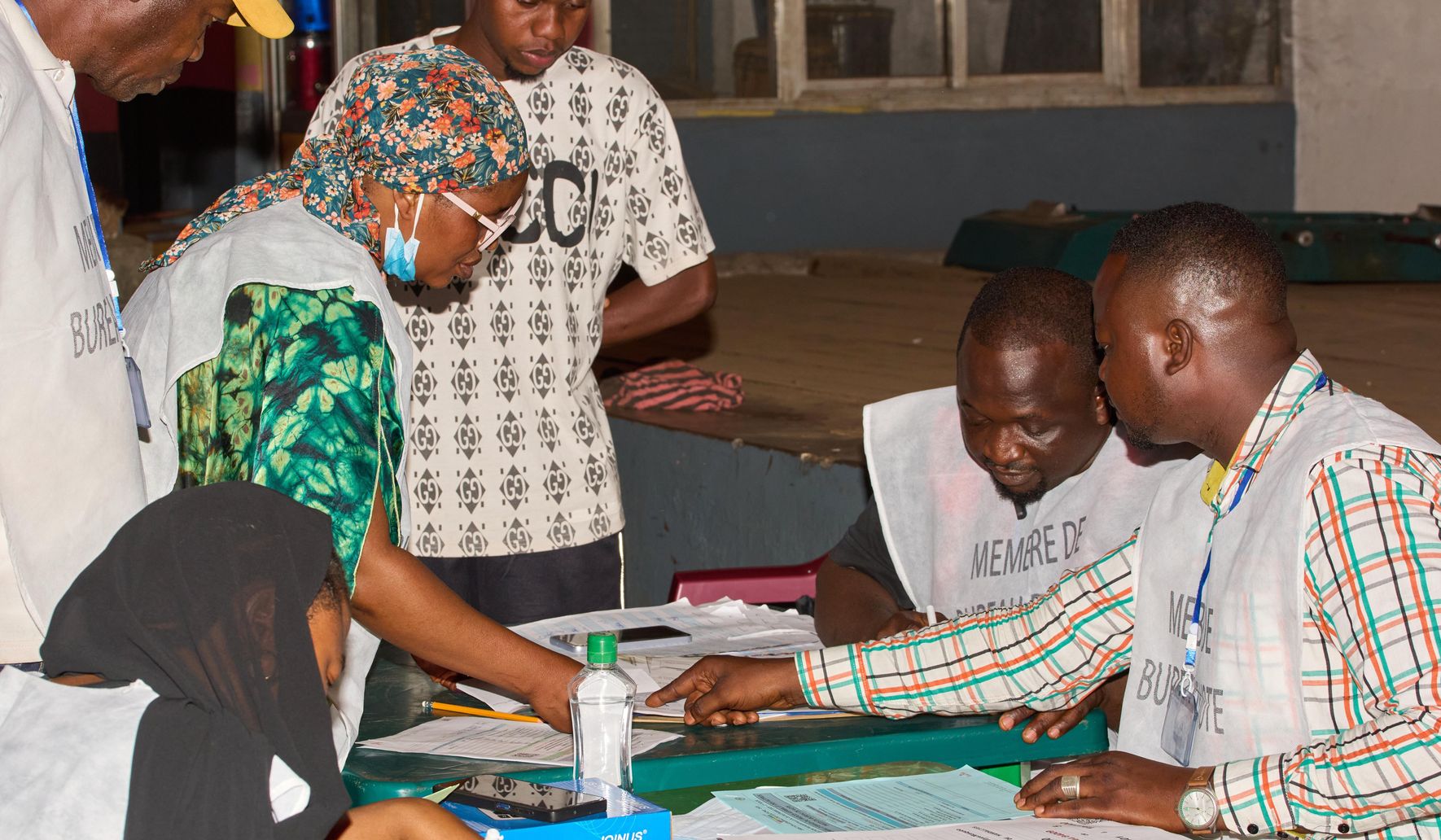
Guinea’s weekend vote produced an early, partial outcome that has deep implications for stability, governance, and international response.
Junta leader Gen. Mamdi Doumbouya was declared the winner of Guinea’s presidential election held over the weekend, according to incomplete results released late on Tuesday, the country’s fir
The announcement landed fast and raised immediate questions about legitimacy and what comes next. Voters showed up under tense conditions after a period of military rule, and count reports were incomplete when the declaration was made. That combination of haste and uncertainty is at the heart of the debate now playing out in Conakry and beyond.
Many Republicans watching this will focus on the rule of law and the need for clear, transparent electoral processes. A fair election demands paper trails, neutral observers, and full disclosure of results before any celebrations or international endorsements. Without that, claims of victory ring hollow and invite unrest.
On the ground, people worry about predictable outcomes: will institutions reassert themselves or will the military remain the ultimate authority? History in the region shows that rushed transitions often leave power structures intact rather than replaced. The task now is to ensure that whatever leader takes office does so with a mandate that can stand up to scrutiny.
Foreign policy choices matter. Democracies should push for robust monitoring, verified tallies and a timetable for restoring civilian control where that is lacking. Those who tolerate ambiguous results for strategic convenience end up undermining long-term stability. Plainly put, stability without legitimacy is brittle and will fracture when pressure rises.
Economic implications follow political uncertainty. Investors and aid partners need clear signals that contracts, property and legal systems will be respected. Guinea is rich in resources that matter to global markets, and shaky governance can scare away the capital needed for development. Protecting those assets requires predictable rules and accountable governance.
The humanitarian angle cannot be ignored. If the public perceives the vote as manipulated, protests and repression become likely, and ordinary citizens pay the price. International actors should prioritize minimizing suffering by demanding transparent investigations of any complaints. Accountability should be nonnegotiable if the goal is a stable, peaceful country.
Regional bodies and global partners face a choice between quick acceptance and demanding verification. Republicans tend to favor strong principled stands that promote free institutions and deterrence against future coups. That means conditional engagement tied to clear benchmarks rather than instant recognition of contested outcomes.
Inside Guinea, the new authority must show it can govern beyond the ballot box by delivering security, basic services and economic opportunity. Legitimacy comes from results that touch people’s daily lives, not just proclamations from state media or military spokesmen. If leaders fail to provide that, domestic opposition will grow and external pressure will increase.
There will be calls for independent audits, observer missions and judicial reviews, and those are the right tools to use now. Each step should be public and documented so citizens and international partners can judge for themselves. Transparency builds trust, and without trust any victory remains vulnerable.
The international community must be firm but smart: insist on clarity, back measures that protect civilians, and support mechanisms that strengthen institutions. Sanctions should target those who obstruct verification and accountability, not the people who simply want a functioning country. That balance keeps pressure on spoilers while preserving room for democratic progress.
Finally, political actors across Guinea should remember that power taken by force is easy to lose and hard to justify. Durable authority grows from consent and performance, and leaders who ignore that reality court instability. The weeks ahead will reveal whether claims of victory translate into legitimate leadership or another chapter of contested rule.

