

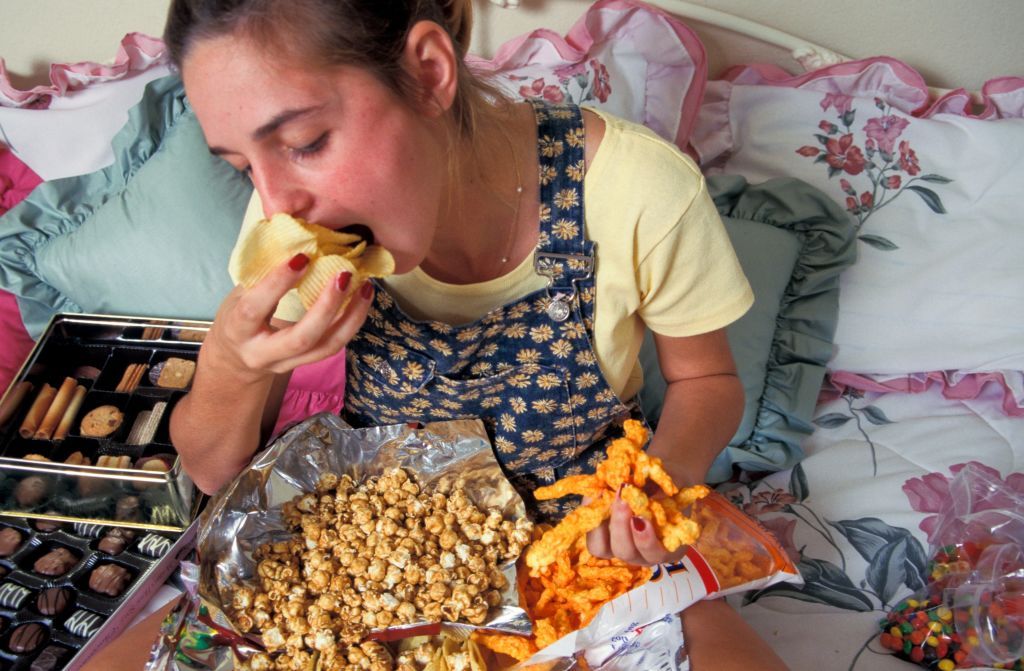
Scientists are probing whether the trillions of microbes in our guts help steer cravings by talking to the brain, while reward circuitry, learned habits, hunger hormones, and highly processed foods all play roles in why salty, sweet, or fatty items pull us in.
Cravings hit everyone, sometimes as a fleeting urge and sometimes as a stubborn demand. They feel personal, but the forces behind them are a mix of biology, environment, and behavior. Researchers now suspect the gut and its microbial residents are another player in that mix, sending signals that may nudge what we reach for at the snack drawer.
The gut-brain axis is the shorthand for a complex two-way line of communication involving nerves, hormones, immune signals, and chemicals produced by gut bacteria. That system can influence appetite, satiety, and perhaps the kinds of food we prefer, though scientists stress the evidence is still emerging. The idea is not that microbes order a pizza for you, but that their activity could subtly shift cravings and eating patterns.
A PubMed review looked across 37 studies that tracked gut bacteria and eating behavior, and 28 of those studies reported some kind of link between the gut microbiome and factors that affect what people eat. Many of the findings point to relationships with hunger hormones, appetite regulation, and overall food consumption rather than simple, direct cause-and-effect. Those associations suggest the microbiome might be part of a larger biological conversation about food choices.
At the same time, the brain’s reward system plays a huge role in cravings, especially for foods high in sugar, salt, and fat. Those foods prompt dopamine release, which ties tastes to pleasure and motivation and makes repetition of the behavior more likely. The American Heart Association (AMA) has noted that cravings are often routed through reward pathways rather than actual physiological hunger.
“Different things can trigger them – smells or visual cues, for example,” Dr. Rajita Sinha, a professor of psychiatry and neuroscience at Yale University School of Medicine in New Haven, Connecticut, told the AMA. “In the case of food, our sensory systems trigger the motivational or reward pathways in the brain. You don’t need to see the food per se, but people, places and things that remind you of a food that’s rewarding will do it. That motivational signal will fire up our brains.”
External cues are powerful. The smell of baking, the sight of a treat, or even the sound of a soda can opening can activate memories and reward circuits long before hunger sets in. Those cues can turn a casual interest into a full-blown craving, and because they interact with learned behaviors, the pull can be automatic: popcorn at the movies, dessert after dinner, or chips while watching TV.
Physiology still matters. Stretching the time between meals raises hunger hormones, making highly caloric foods more tempting, and sweets provide quick energy when the body seems to need it. Stress and emotion also shift priorities: comfort foods become a short-term fix because they have been paired with relief or pleasure in past experiences. In short, both biology and context conspire to shape what we want to eat.
Processed foods are engineered to hit a “bliss point,” an optimized mix of sugar, salt, and fat designed to maximize palatability and repeat consumption. Those formulations exploit reward pathways and make resisting one chip or one cookie a real challenge. Over time, repeated exposure rewires expectation and preference, which only feeds into the cycle of cravings.
Researchers are still sorting out how much influence microbes exert versus the better-understood roles of reward signaling, hormones, and habit. Whether your gut microbiome nudges you toward certain foods or simply mirrors your diet remains under study, but the evidence so far suggests a conversation rather than a command. Until science clears the air, cravings will keep showing up at the most inconvenient times and your sweet tooth can continue pleading the Fifth.

