

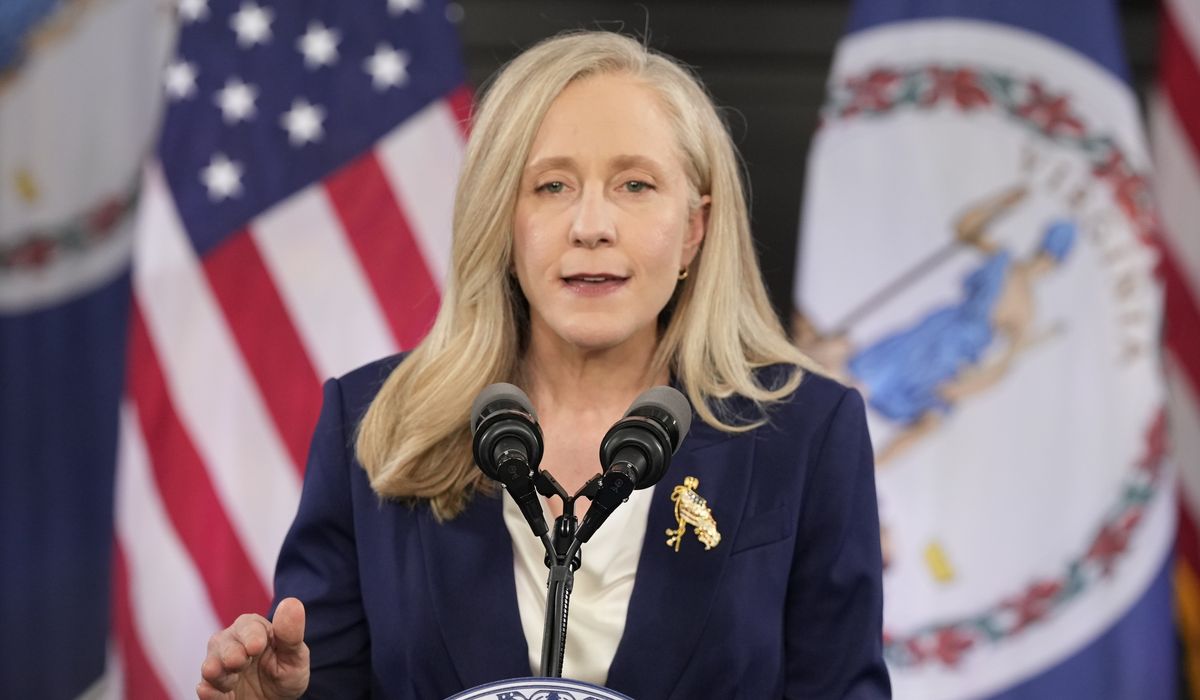
Virginia Gov. Abigail Spanberger vetoed a bill that would have opened the commonwealth’s adult-use cannabis retail market, a move that changes the timetable and leaves lawmakers scrambling. The veto exposes a deeper split over planning, regulation, and public safety as state leaders decide how to move forward.
Gov. Spanberger’s veto landed unexpectedly and has immediate political and practical consequences across Richmond. Lawmakers who pushed the retail rollout had argued the market was ready, but the governor concluded key protections and implementation details were missing. That decision now forces a new scramble for consensus on regulations, licensing, and local control.
“Virginia Gov. Abigail Spanberger on Tuesday vetoed legislation that would have launched the commonwealth’s long-delayed adult-use cannabis retail market, dealing a blow to fellow Democrats who ha” sits in the record exactly as originally reported and underscores how fast the story moved into headlines. The fragment reflects the abrupt way policy and politics collided in this case. It also shows how an unfinished narrative can shape public reaction even before lawmakers finish their work.
From a Republican point of view, the veto highlights years of hurried policymaking by Democrats who passed legalization without a robust plan for retail, enforcement, or protecting kids. Critics say the prior timeline ignored basic questions about licensing fraud, cross-border trafficking, and the strain on local law enforcement. If you want stable regulation, you have to build the system first, then launch it carefully, not the other way around.
On the fiscal side, the debate is about more than tax revenue projections and license fees. Establishing a lawful retail market requires clear rules that prevent a thriving illegal market from continuing to undercut legitimate businesses. Republicans have pressed for policies that prioritize public safety, strong auditing, and local input before doors open and investments flow into an unsteady system.
Public safety arguments are central to the veto’s political resonance. Lawmakers on both sides acknowledge concerns about driving under the influence, youth access, and enforcement resources. Republicans propose giving localities real authority to manage retail and ensuring sober driving enforcement and funding for education and treatment as part of any rollout plan.
Process and implementation worries also drove the governor’s choice. Key questions remain about who will issue licenses, how background checks will be enforced, and how tax rules will be applied consistently. Republicans argue that moving forward without ironclad answers invites chaos: court fights, inconsistent local policies, and a patchwork market that benefits criminal operators more than compliant businesses.
The political math is now unsettled in Richmond. Some Democrats may try to override the veto, while others will seek compromise language to address the governor’s concerns. Republicans see an opening to push for stronger guardrails rather than a rushed expansion, pressing for transparency in licensing and stricter penalties for illegal sales.
Whatever comes next, the drama over this veto will shape the broader conversation about state-level cannabis policy for months to come. The practical questions lawmakers must answer are technical but consequential: how to launch a market that controls access, protects children, and upholds the rule of law. Expect a period of negotiations, legal checks, and political positioning as Virginia figures out whether it wants a cautious roll out or a rapid, riskier launch.

