

Major revelations about how some left-leaning nonprofits manage money are exposing misuse of donations, missing assets, and a sharp rise in taxpayer-funded grants to charities, raising questions about accountability and oversight.
For years, well-known progressive organizations collected generous private gifts, tax breaks, and government grants while promising public-good programs. Recent reporting and legal action suggest several of those groups handled funds in ways that betray donors and taxpayers alike. The fallout is now forcing courts and state authorities to step in and demanding answers.
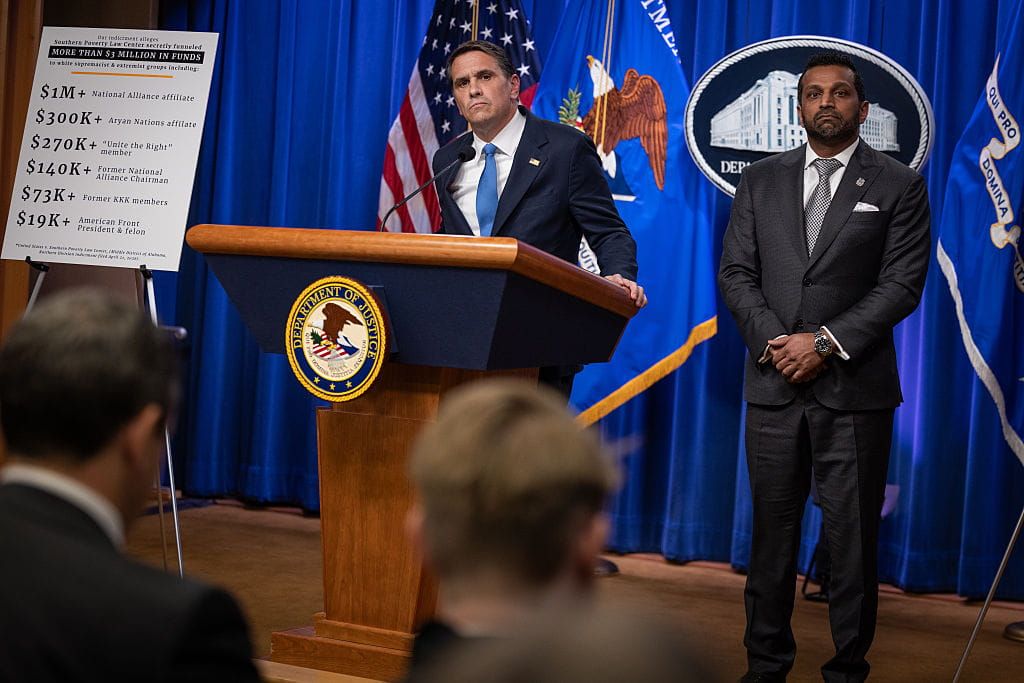
One of the most troubling scenes involves the Southern Poverty Law Center and allegations that donor money was redirected to extremist groups and shadowy payments. Authorities arrested former staffer Heidi Beirich amid charges she routed donor funds to so-called informants and helped set up fake company accounts. “I believe she was part of the effort to open bank accounts in completely fictitious companies’ names and make payments to individuals for reasons that were not accurate as described,” Attorney General Todd Blanche told reporters.
Beyond procedural violations, investigators say the SPLC allegedly funneled at least $4 million to extremist organizations, a striking claim given the group’s tax-exempt civil rights label. If true, the charges flip the script on public expectations: donations intended for justice work instead may have supported actors the public would never condone. That degree of misdirection calls for stricter scrutiny of nonprofit accounting and governance.
Another headline-grabbing case centers on Arc of Justice, tied to Code Pink cofounder Medea Benjamin, which reportedly holds more than $51 million in assets that lack clear explanation. State filings indicate the group failed to file tax returns for three consecutive years, prompting the California attorney general to order it to cease operations. When a nonprofit goes dark on basic reporting, the money it claims to control becomes effectively untraceable to the public.
Watchdogs monitoring charitable registrations trace Arc of Justice’s removal from California’s charity rolls to around May 2021, leaving those permanently restricted assets outside normal public oversight. That vacuum is what alarms fiscal conservatives and taxpayers who expect transparency when groups claim tax-exempt status. Without required disclosures, neither donors nor regulators can confirm that the money is being spent on lawful, mission-driven activities.
“In 2016, federal, state and local governments gave $149.5 billion in grants to about 56,000 nonprofits registered with the IRS, an analysis of nonprofit tax returns shows. In 2020, that number went up to nearly $310 billion with more than 110,000 nonprofits receiving taxpayer funding. Two years later, the numbers peaked at $319 billion, though about 10,000 fewer nonprofits received government cash, the data shows.”
The explosive growth in taxpayer-funded grants to nonprofits makes these scandals more than private donor problems; they are public concerns. As government money has flowed into the nonprofit sector, the need for robust oversight has only increased, but enforcement has lagged behind. When accountability fails, American taxpayers end up underwriting opaque operations without clear public benefit.
That gap in accountability is what critics keep returning to. “Nonprofits should survive based upon the goodwill of people, not the force of taking taxpayer dollars,” said David Williams, president of the Taxpayers Protection Alliance. “Nonprofits are not accountable and government officials haven’t held them accountable.” Those words underscore a basic argument: private charity should not become a backdoor avenue for government to fund partisan agendas absent strict transparency.
There is a political angle worth noting. When nonprofits mix large private contributions with growing government grants, they can become less accountable to individual donors and more tied to public funding streams. That shift can blur lines between civic action and taxpayer-subsidized political influence, a concern for those who favor limited government and clear separation between public dollars and partisan activity.
What happens next depends on donors and regulators. Private donors can withhold support from organizations that fail to demonstrate clear stewardship, and state attorneys general can pursue enforcement where reporting lapses occur. Increased pressure from watchdogs and the public could force tighter controls, more audits, and clearer reporting standards for groups that benefit from tax-exempt status.
The practical takeaway for anyone who cares about results is simple: give where you can see the impact. Local, transparent charities with visible operations make it easier for donors to track outcomes and for communities to insist on accountability. As questions mount around several high-profile left-leaning organizations, many donors may opt for causes where dollars land in plain sight and records are available for inspection.

