

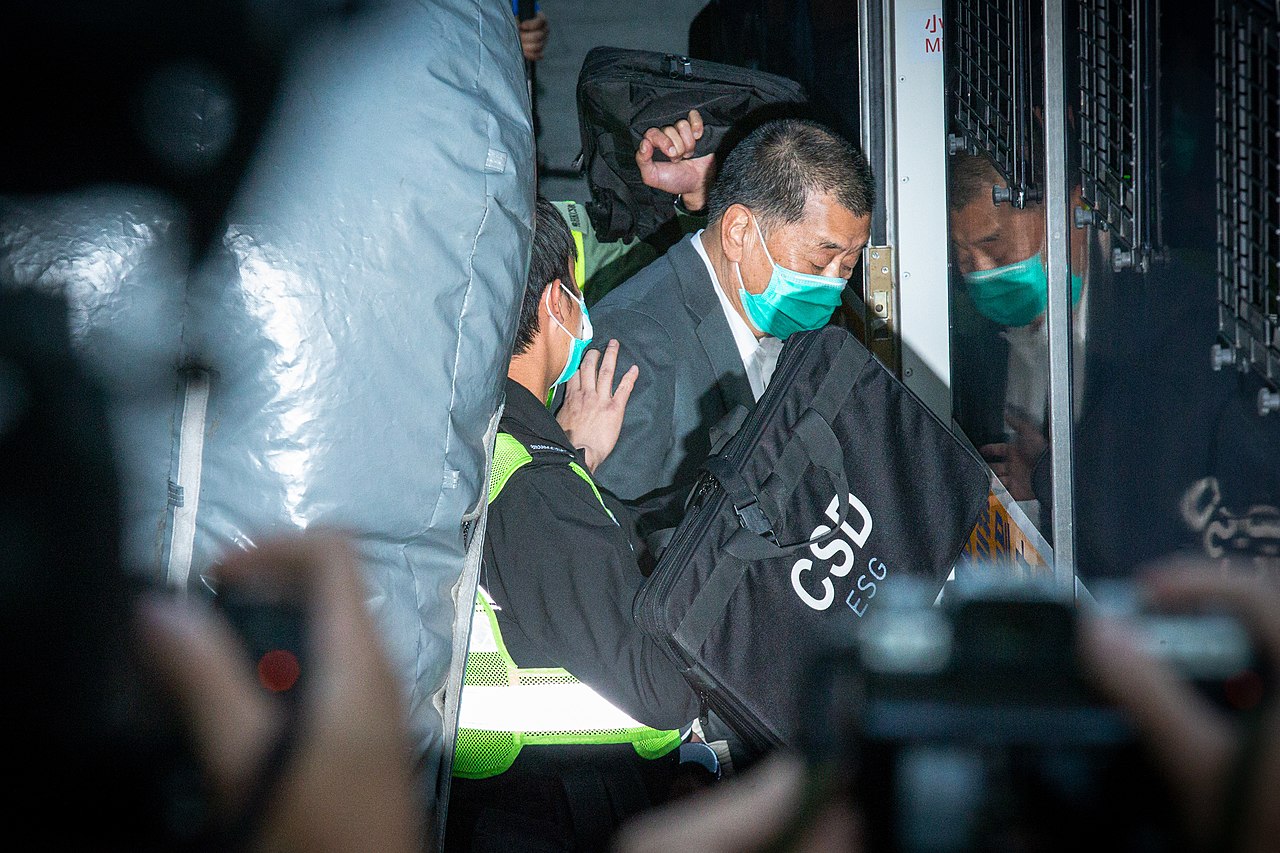
Hong Kong’s courts have handed Jimmy Lai a 20-year prison term, a stark sign of shrinking freedoms under the Chinese-backed government and a moment that forces renewed debate about press freedom and international response.
The city’s Chinese-backed government sentenced media mogul and pro-democracy activist Jimmy Lai to 20 years in prison on Monday, a decision that tightens the squeeze on independent voices in Hong Kong. This sentence lands amid years of stepped-up enforcement following the national security law and captured global attention. The move hits at the heart of what many saw as Hong Kong’s last guardrails for a free press and open civic life.
“Having stepped back and taking a global view of the total sentence for Lai’s serious and grave criminal conduct … we are satisfied that the total sentence […]” This language, left intact in court reasoning, reads like a formal seal on a broader policy of deterrence. For critics, those words confirm that the courts are now instruments in a campaign to silence dissent.
Lai’s case is not just about one man. He built a media outlet that dared to report critically on Beijing and Hong Kong leadership, and his conviction sends a clear signal to other journalists and publishers. Self-censorship has already spread across newsrooms and civil society; a 20-year sentence deepens the chill and reshapes how local institutions operate.
From a Republican viewpoint, this is an alarm bell for democratic nations that prize liberty and free speech. The United States and like-minded allies need to recognize that tolerance for such tactics invites further erosion of international norms. Tough-minded diplomacy and firm policy are necessary to avoid rewarding behavior that undermines global stability and human rights.
Politically, this moment exposes gaps in the international posture toward Beijing and its expansion of influence. If democratic governments respond with tepid statements alone, the calculation in Beijing will favor more coercion, not less. Republicans argue that signaling real costs matters, because deterrence depends on credible consequences.
Beyond geopolitics, the human cost is plain. A long prison term ends livelihoods and separates families, but it also robs a city’s civic conversation of a loud, persistent voice. When journalists and activists can be removed for doing their jobs, the community loses outlets for truth and accountability.
Legal arguments in the courtroom will continue to be parsed, and officials will point to statutes and national security concerns as justification. Still, many observers see the pattern: laws deployed in ways that prioritize control over debate. That shift changes how Hong Kong will be perceived by investors, partners, and the people who once saw the city as an open gateway.
Republicans watching this development stress that policy must reflect values as well as interests. Trade and engagement matter, but so does standing for principles that built alliances and underpinned long-term stability. The calculus is simple: tolerating repression for short-term convenience invites bigger problems later.
For Hong Kongers who still push for free expression, Lai’s imprisonment is a warning and a challenge. Institutions that used to protect debate are weaker now, and individuals face steep risks when they choose to speak out. The atmosphere for dissent will be shaped not only by courts but by the choices of governments outside the city.
This sentencing will be a reference point in future debates about how democracies confront authoritarian pressure without isolating themselves. The outcome in Hong Kong is a test of resolve for allies who must decide whether words alone are enough to defend basic freedoms. The stakes are high for both the city and the broader international order.

