

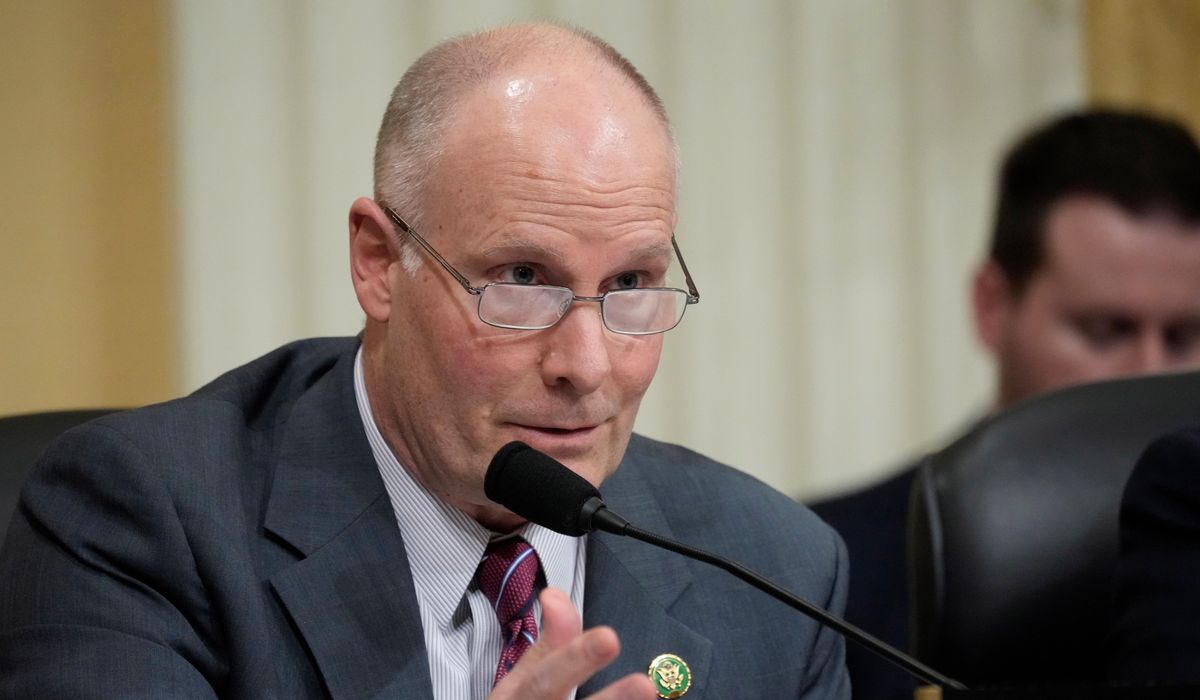
House Select Committee on China Chairman John Moolenaar is pressing the Trump administration to formally confirm that a rule requires chipmakers to vet their customers before exporting advanced artificial intelligence chips, and Republicans say clarity and enforcement are urgent to keep critical technology out of hostile hands.
Chairman John Moolenaar has put the administration on notice, demanding a clear statement that exporters must screen buyers of cutting-edge AI semiconductors. This is about closing gaps that adversaries could exploit, not throttling American innovation. Republicans stress the need for unambiguous rules so companies know their legal obligations.
The backdrop is simple: advanced chips can accelerate military and surveillance systems when they fall into the wrong hands. Lawmakers fear that ambiguous guidance allows bad actors, including state-backed entities, to route purchases through middlemen and shell companies. A formal confirmation from the administration would put exporters and regulators on the same page.
Industry leaders say they want guidance, but they also push back on burdensome red tape that could stifle competitiveness. The GOP position balances those concerns by demanding both firm export controls and practical implementation. That means clear vetting standards, deadlines, and accountability for failure to follow the rules.
Republicans argue the United States has to protect its technological edge without surrendering market leadership. If companies are left uncertain about compliance, they could either under-export and cede ground to rivals, or over-export and unintentionally empower hostile forces. The right policy gives firms a roadmap to do business safely and profitably.
Practical vetting measures can include customer background checks, beneficial ownership investigations, and end-use assurances that are verifiable. Those tools should be standard where chips can enable hostile military or mass surveillance capabilities. Congress wants the administration to say so outright, so companies know what counts as sufficient due diligence.
Enforcement follows clarity. Republicans press for consistent penalties for willful violations and better resourcing for inspectors and investigators. Strong deterrence makes checks meaningful and raises the cost for intermediaries who try to mask transfers. Without enforcement muscle, rules are paper promises that adversaries will ignore.
At the same time, policymakers recognize supply chains need resilience. The GOP approach favors investments in domestic semiconductor production and partnerships with trusted allies. That reduces reliance on vulnerable foreign links and makes export controls more effective because fewer critical components will transit opaque channels.
Committee members also want transparency from the administration about how it will coordinate with allies and industry. Allies must be looped into consistent standards so adversaries cannot exploit gaps between jurisdictions. Republicans view allied coordination as a force multiplier for American policy and a way to preserve market access for friendly partners.
There are also legal and commercial questions about how companies document vetting and how regulators verify those records. Lawmakers expect specific guidance on recordkeeping, audits, and acceptable evidence of customer legitimacy. Clear rules lower compliance costs over time by reducing guesswork and limiting arbitrary enforcement variations.
Ultimately, the demand for formal confirmation is a demand for certainty and safety. Chairman John Moolenaar and Republican allies want the administration to be decisive: say the rule applies, explain how it will be enforced, and back it up with resources and international coordination. That approach aims to keep advanced AI chips out of the hands of those who would use them against American interests.

