

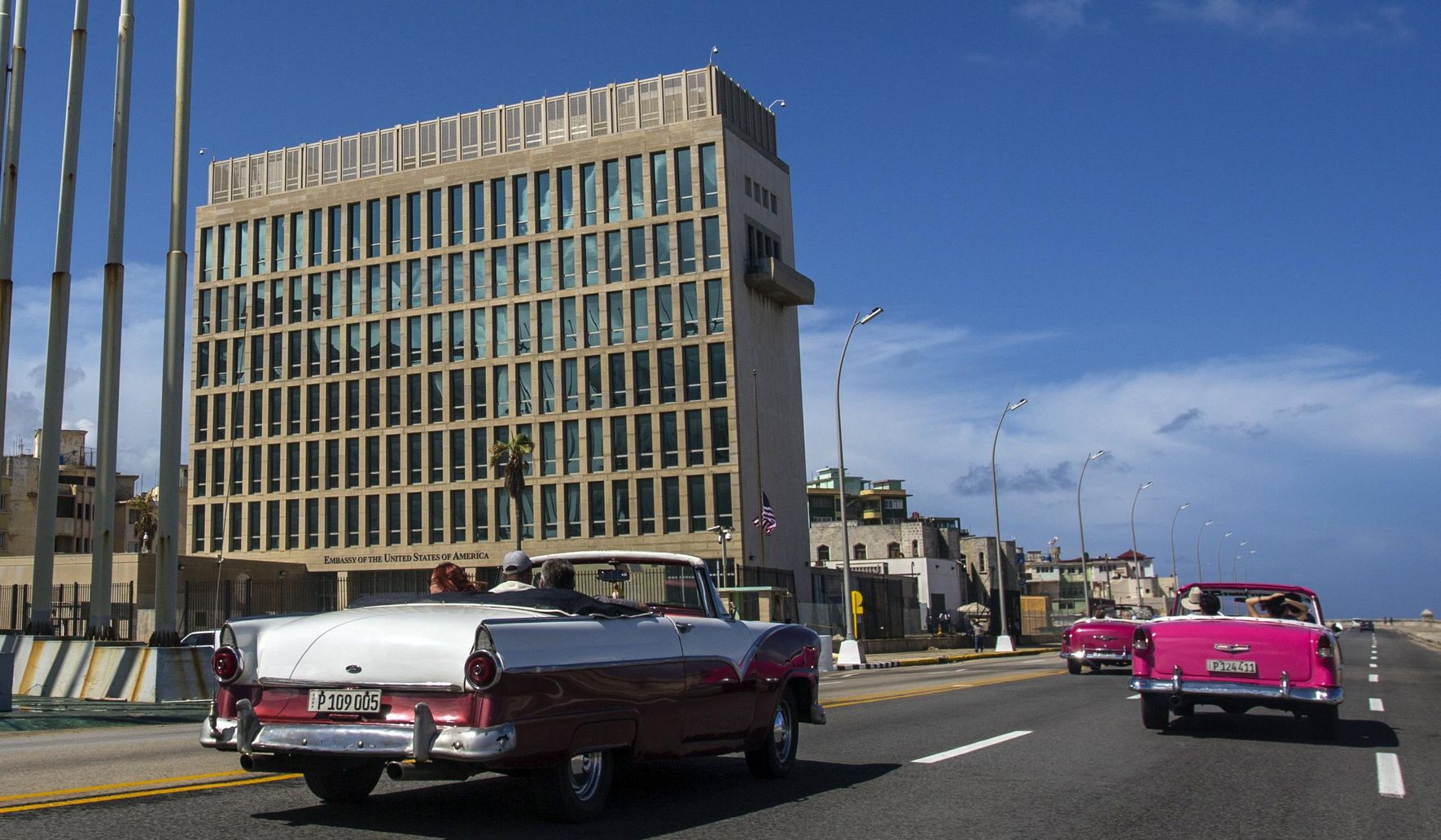
The House intelligence oversight committee is investigating what the panel’s chairman says were faulty intelligence analyses on the mysterious brain injuries known as Havana Syndrome.
The House intelligence oversight committee has opened a focused inquiry into how intelligence agencies handled reports of the mysterious brain injuries labeled Havana Syndrome. Republicans on the panel say earlier analyses missed key signals and left victims without clear answers. This probe aims to get to the bottom of whether analytic shortcuts or institutional biases shaped the official narrative.
For years service members, diplomats, and intelligence staff reported strange symptoms after incidents overseas, and those accounts were often met with uncertainty or skepticism. Many of the affected people described headaches, cognitive problems, and other neurological issues that disrupted careers and lives. The committee’s work is meant to make sure those experiences were not dismissed because they were inconvenient or hard to explain.
At stake is more than medical diagnosis. Oversight members argue that faulty intelligence analysis can erode trust in the agencies charged with protecting Americans. If assessments were rushed, poorly structured, or influenced by groupthink, the consequences extend to policy decisions and how we protect personnel abroad. Republicans on the committee are emphasizing accountability to restore confidence in the process.
The inquiry will review how data was gathered, what hypotheses were considered, and how competing explanations were treated. Officials involved in earlier reports may be asked to explain analytic choices and the degree of caution used in public statements. The goal is not theatre but a clear record of what happened and why certain conclusions were reached or abandoned.
Investigators will also look at whether medical findings were appropriately integrated with intelligence reporting. Doctors and scientists produced a range of assessments, and the committee intends to map how those findings influenced operational and policy judgments. For service members and diplomats, a rigorous union of science and analysis is essential to both care and prevention.
Republican members stress that protecting Americans means both taking claims seriously and avoiding sloppy analysis that can mislead policymakers. They want standards that force agencies to document assumptions, alternative explanations, and the limits of their conclusions. That kind of discipline helps ensure future incidents get handled with both empathy and rigor.
Part of the challenge is the intrinsic complexity of the incidents themselves. Some episodes happened in tightly controlled environments, others in more chaotic settings, and victims’ symptoms varied widely. That complexity creates space for honest disagreement among experts, but oversight officials contend that disagreement should not excuse weak or opaque analysis.
The committee’s investigation will likely include interviews, document reviews, and perhaps classified briefings to ensure investigators get the full picture. Republicans on the panel say transparency about the analytic process will help the public and affected families understand what happened. The work could reshape how intelligence and medical communities coordinate in similar cases going forward.
Beyond forensic questions, the probe carries a practical mission: improve protections and policies for personnel abroad. If gaps in detection, reporting, or follow-up are found, the committee may push for concrete changes to reporting standards and medical protocols. That practical focus reflects a Republican view that oversight should produce results that make Americans safer and ensure victims get the care they deserve.

