

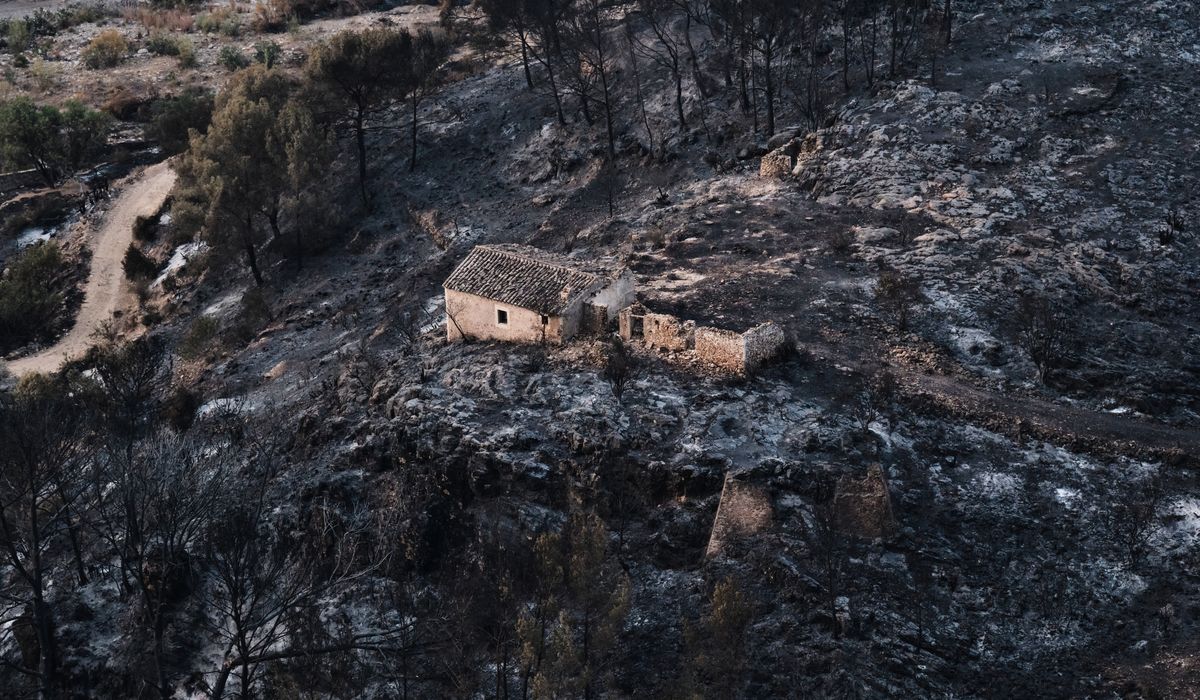
Hundreds of firefighters backed by helicopters and fixed-wing aircraft struggled Saturday to contain one of Spain’s deadliest wildfires that killed a least 12 people.
Emergency teams were locked in a race against a fast-moving blaze that took a heavy human toll. Crews worked from the air and on the ground, trying to protect towns, roads and key infrastructure as smoke choked the skies. The situation remained fluid, with response efforts focused on saving lives and preventing further spread.
Those on the frontline described brutal conditions: steep terrain, dense smoke and unpredictable winds that complicated tactics. Firefighters rotated through long shifts while pilots ran repeated sorties to support containment lines. Equipment and manpower were pushed hard, underscoring how quickly a single fire can overwhelm local resources.
Local authorities emphasized coordination between agencies as a top priority, bringing together municipal crews, regional brigades and national support. That mix of forces allowed for simultaneous ground attacks and aerial suppression where access was limited. Commanders reported that clear communication between teams helped prioritize the most vulnerable areas.
Communities near the flames faced rapid disruption, with residents forced to move and services interrupted. Schools, businesses and local roads saw closures as a precaution while emergency responders focused on safe evacuations. The human cost, beyond those killed, included injuries, lost homes and an atmosphere thick with uncertainty.
Medical and relief services set up staging points to treat the injured and support displaced people, though resources were strained. Volunteers and local organizations stepped in to help with shelter, supplies and basic needs. Even with a strong response, recovery work was expected to be lengthy and emotionally taxing for affected neighborhoods.
Environmental damage will be an ongoing concern once the flames are out, with impacts on soil stability, water quality and wildlife habitat. Officials warned that the scars left by a large wildfire can lead to erosion and make areas more vulnerable to future storms. Restoration and reforestation efforts will likely be necessary to stabilize the landscape over time.
Experts note that modern firefighting mixes technology, strategy and boots on the ground to balance immediate suppression with longer-term mitigation. Aerial assets like helicopters and fixed-wing tankers remain crucial for initial attack and for breaking fire behavior that ground crews cannot safely reach. At the same time, community preparedness and landscape management are essential pieces of reducing future risk.
As investigations continue into the cause and progression of the blaze, authorities will also weigh lessons learned for future responses. After-action reviews typically look at resource allocation, timing of evacuations and communication networks to improve resilience. For now, the focus remains on protecting people, restoring services and helping affected families begin the slow work of recovery.

