

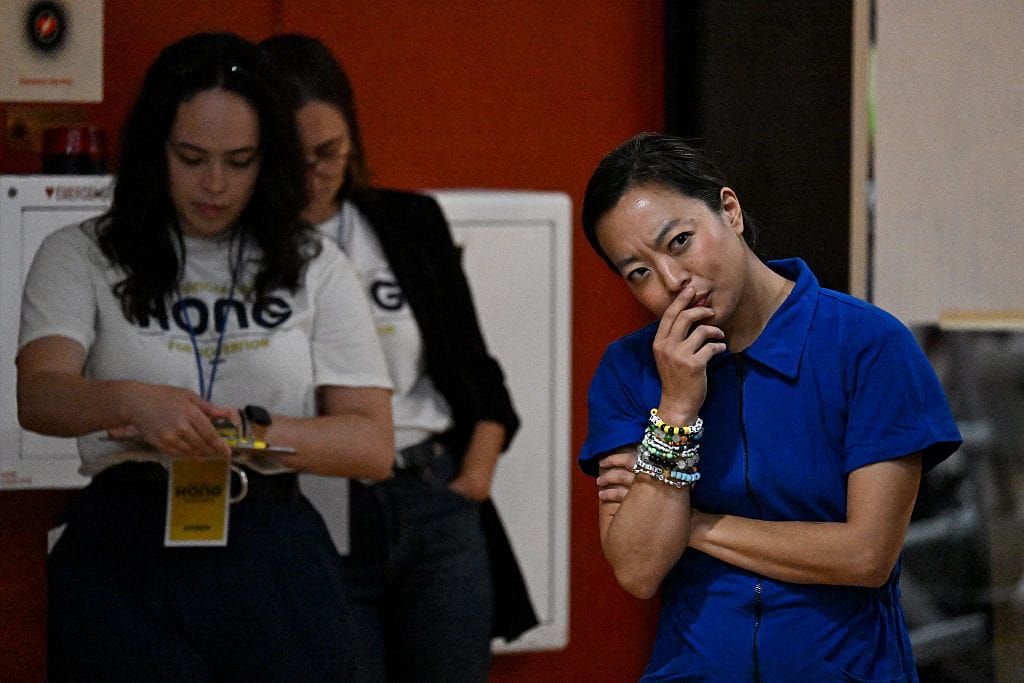
A rising socialist push in Wisconsin, led by Francesca Hong, her past statements on Thanksgiving and policing, big-money establishment reactions, and Republican pushback are examined in a sharply critical tone.
Socialist-aligned candidates have been winning in state contests from New York to Michigan, and Wisconsin looks like the next major prize. Francesca Hong, a state assemblywoman and member of the Democratic Socialists of America, has staked a claim for governor and campaigned with high-profile progressives. Her candidacy has concentrated attention because Wisconsin is a swing state that could decide national momentum.
Democratic operatives reacted nervously when insurgents surged elsewhere, pouring funds into establishment hopefuls to blunt the movement. Democratic-aligned interest groups contributed a whopping $60 million to the primary campaign of Rep. Haley Stevens, almost ten times as much as Abdul El-Sayed received from left-wing PACs. That kind of spending tells you how scared the establishment is of candidates who run unapologetically to the left.
Hong’s record includes a 2020 social post that read, “Cancel Thanksgiving. Should have done this in 1621,” and she resisted walking that back in a CNN interview where she said: “I’m a chef, and one of the first meals that I made was for the community when I was 16 was a Thanksgiving meal. But Thanksgiving is also a time that’s incredibly painful for many people in our communities.” Those comments land hard with voters who value tradition and common sense.
Republicans seized the moment. Tom Tiffany put a stake in the ground: “Just so everyone knows where I stand, I won’t cancel Thanksgiving as governor.” Hong has since tried damage control and now says she “actually loves” Thanksgiving, but flip-flops on a symbolic national holiday don’t erase the initial remark. Voters notice when rhetoric and image management collide.
Her remarks on policing have been equally stark. In 2021 Hong wrote, “Police exist to uphold white supremacy. Defund then abolish. Reform can’t be an option.” That view lines up with parts of the DSA platform and raises real concerns about public safety and law enforcement in a state of six million people. Those positions aren’t abstract for rural and suburban voters who want safe streets and functioning courts.
Questions about competence follow the radical rhetoric. Hong has said, “I think my background as a chef will actually help me become a better governor that’s able to bring more people to the table.” The line plays well in campaign soundbites, but governing a diverse state requires administrative experience and policy know-how, not just culinary skills and charisma. Voters who care about budgets, schools, and crime will weigh that gap carefully.
>The movement’s menu of promises is broad and costly: universal government healthcare, defunding immigration enforcement, and other sweeping changes that would upend existing institutions. Some factions within the left even flirt with dismantling pillars of the American constitutional order, and many of those ideas enjoy enthusiastic support in activist circles. For mainstream voters, the question is whether lofty promises survive the test of implementation and trade-offs.
Outgoing Governor Tony Evers has tried to steer Democrats toward moderation, backing David Crowley in the primary and warning about extremes when he said, “Wisconsinites can’t afford for November to come down to the most extreme things Tom Tiffany and Francesca Hong have said online.” That rare public rebuke from a sitting Democrat underscores anxiety inside the party as its voters drift toward outsiders.
Despite the establishment alarm, Hong was running well in polls heading into the primary, leading multiple surveys by close to or above 20 percent and facing a nomination contest on Tuesday, August 11. If she secures her party’s nod, Republicans will frame November as a clear choice between steady, law-and-order governance and a radical experimentalism that promises sweeping change. The coming months will be a test of whether Wisconsin voters prefer familiar governing competence or a dramatic partisan turn.

