

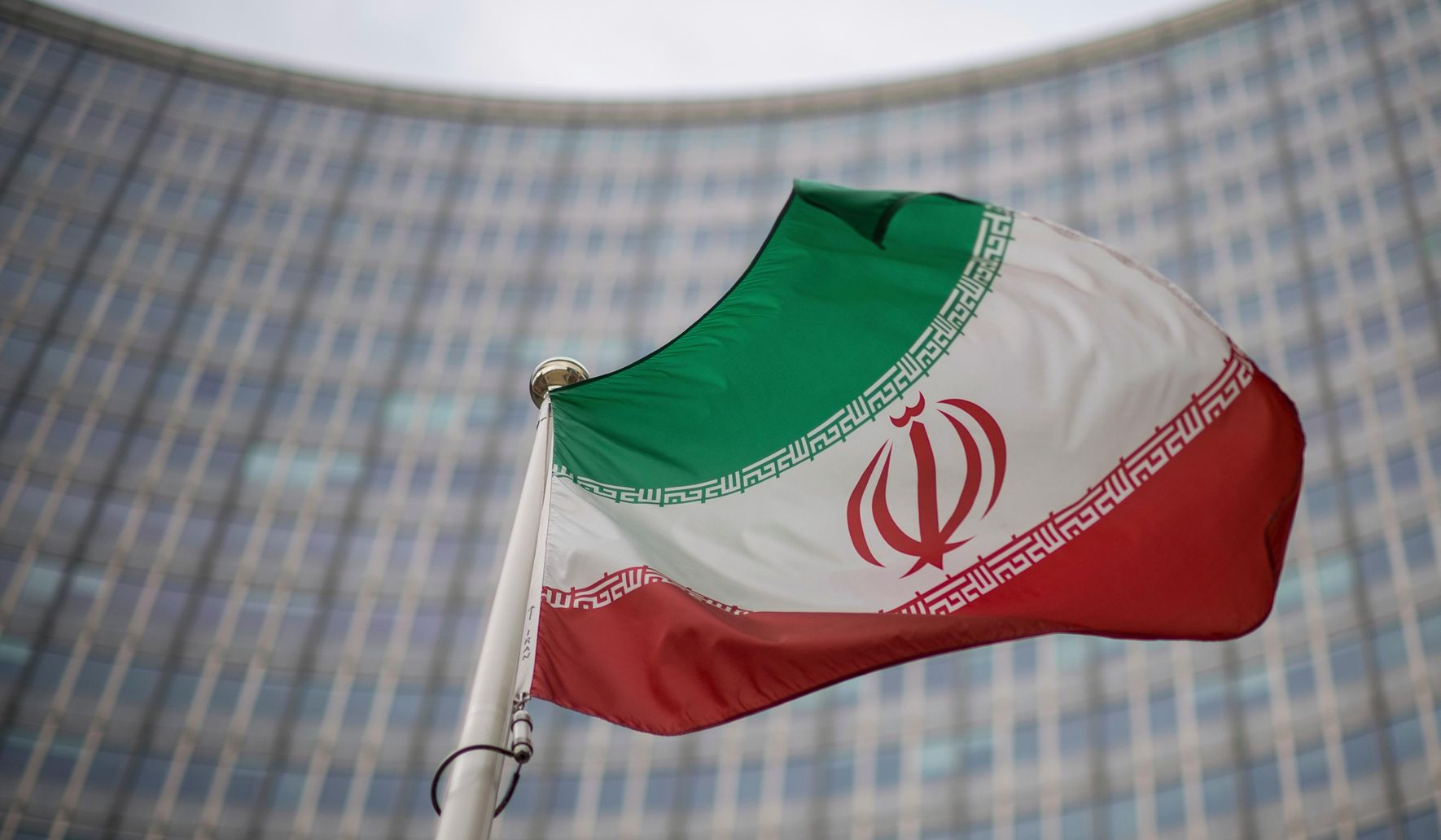
The U.N. atomic watchdog’s board of governors urged Iran on Thursday to “extend full and prompt cooperation,” provide the agency’s inspectors with “precise information”, and face international scrutiny over unexplained nuclear activity.
The board made its call amid growing concern about Tehran’s recent behavior around nuclear sites, and those concerns should not be treated as minor paperwork errors. From a Republican perspective, the situation reads like a pattern: Tehran delays, stonewalls, and then claims transparency when the cameras are rolling. That kind of choreography requires firm, consistent follow up rather than soft statements that let bad actors reset the clock.
The International Atomic Energy Agency exists to verify, not to negotiate. When inspectors are blocked or given partial answers, the world loses confidence in any assurances Tehran offers. Democrats often prefer diplomacy and goodwill gestures; Republicans argue that verification must come first and any cooperation needs to be immediate, thorough, and documented.
Calling for Iran to “extend full and prompt cooperation,” is the right demand on paper, but words need consequences. The board also asked for “precise information” about activities and materials, which is not a technicality. Precise details matter because they either confirm peaceful activity or expose violations that change the strategic calculus for the region and for U.S. policy.
America should pay attention to how this plays on the global stage. Allies want predictable behavior from both the U.N. system and Washington, and mixed signals undermine deterrence. Republicans tend to view inspections as part of a broader toolkit that includes pressure, sanctions, and clear lines of accountability rather than behind-the-scenes bargaining that produces temporary fixes.
Iran has a long record of hiding, shaving timelines, and exporting instability, which explains the skepticism from the board of governors. Inspectors need access without delay, on terms set by the agency and backed by resolute political will. Any suggestion that Tehran can drag out cooperation invites further brinkmanship and makes the job of inspectors harder.
The technical questions the agency asks are precise for a reason: nuclear material and equipment can be shipped, altered, or concealed in ways that erase clarity. Republicans emphasize that verification cannot be optional or symbolic. Without full transparency, the global community is left guessing at intent and capability, which is dangerous in a region already riddled with proxies and volatility.
The board’s statement should be treated as more than diplomatic language. It is a test of whether international institutions can enforce standards and whether countries like Iran will face measurable consequences for noncompliance. If inspections reveal discrepancies, those findings should shape policy quickly because delays only increase risk and create openings for Tehran to expand its program under a fog of obfuscation.
There should be no illusion that the status quo is acceptable; tolerating evasions creates a worse baseline tomorrow. Republicans argue that clear, verified cooperation is nonnegotiable and that the international community must be ready to act on evidence rather than hope. The IAEA’s role is central, but it needs support from states willing to turn findings into policy that maintains real leverage over Iran.

