

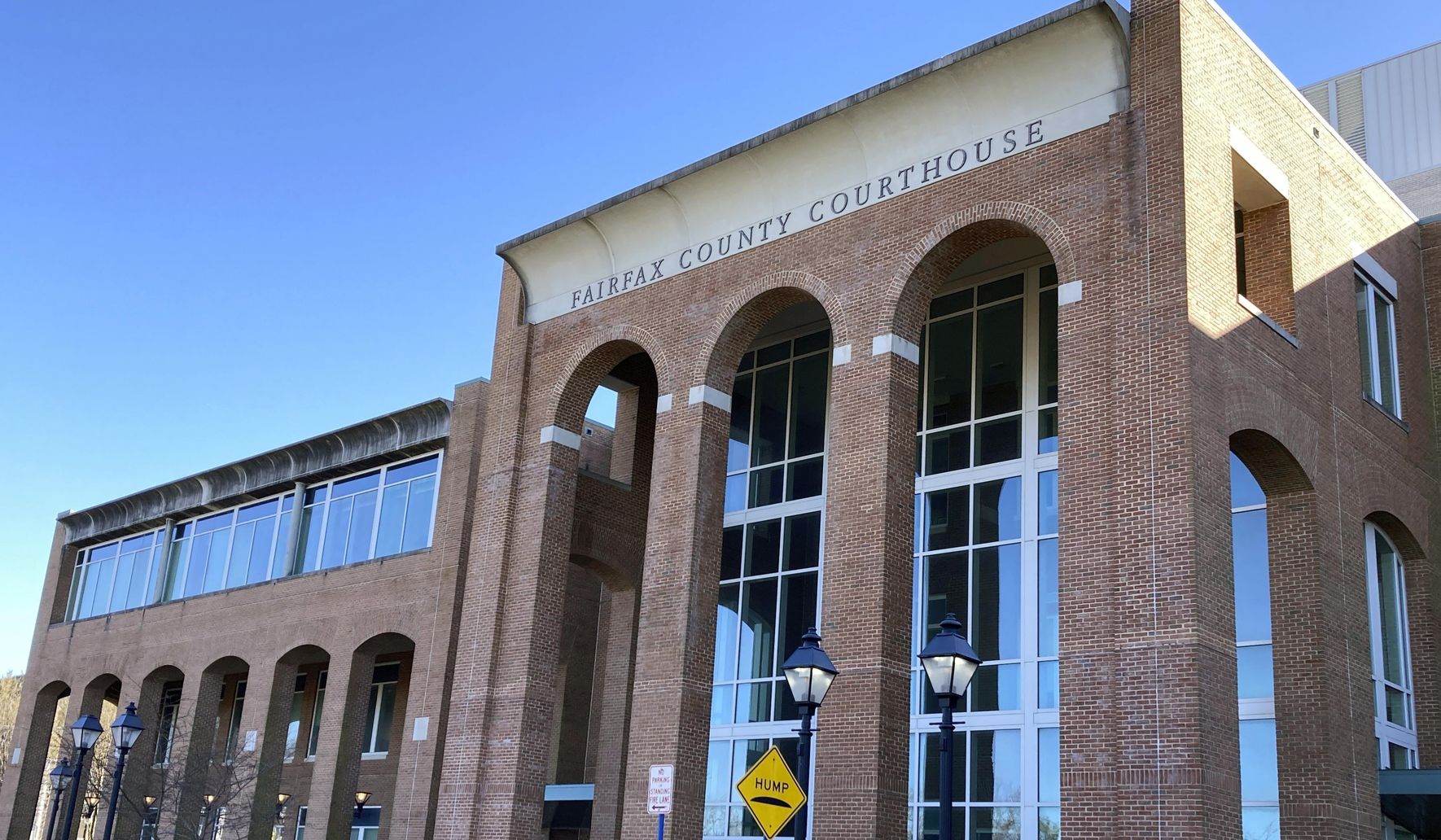
An illegal immigrant accused of fatally stabbing a woman last month in Fairfax County had a long history of violent arrests, and county police say they warned prosecutors that his most recent release posed risks to public safety.
The account begins with a fatal stabbing in Fairfax County last month that left a community reeling. Law enforcement describes the suspect as an illegal immigrant who had been arrested repeatedly for violent offenses. According to police, the volume of prior arrests prompted an explicit warning to local prosecutors ahead of the suspect’s most recent release.
Police records and official statements paint a picture of repeated contact between the suspect and the justice system. Those contacts reportedly included multiple violent arrests, creating a pattern that alarmed officers on the ground. The warning to prosecutors was framed as a public safety concern tied to that pattern rather than a single incident.
That warning puts prosecutorial choices under scrutiny, because law enforcement believed the suspect’s release created foreseeable danger. Conversations between police and prosecutors are routine, but when officers flag a case as risky the expectation is that the justice system will weigh that information heavily. The tension here highlights how different parts of the system interpret risk and public safety obligations.
Immigration status complicates the picture and elevates questions about enforcement and coordination. When someone in the country illegally faces repeated violent charges, citizens naturally want to know whether immigration holds or federal notifications were requested and acted on. This case raises clear concerns about whether existing procedures for cooperation with federal immigration authorities were followed or sufficient.
Families and neighbors absorb the consequences when the system fails to prevent repeat violence, and many in Fairfax County are demanding answers. People expect basic safety and a predictable response when officers issue warnings about dangerous individuals. The emotional fallout is real, and elected officials are hearing from constituents worried that policy choices are putting lives at risk.
The incident also spotlights prosecutorial policy and how it shapes outcomes in violent cases. Some jurisdictions emphasize diversion and lighter pretrial restrictions, while others prioritize detention for repeat violent offenders. The debate is intense, and this case is likely to fuel calls for clearer standards when police explicitly warn prosecutors about threats to the community.
From a law-and-order perspective, the obvious takeaway is that repeat violent arrests must be handled with firm consequences and better interagency coordination. That means transparent decision-making when prosecutors consider release conditions, and reliable communication with federal partners when immigration status is relevant. People expect accountability and predictable enforcement of laws that protect public safety.
Officials say investigations remain active and that reviews of the case are underway, including the circumstances that led to the suspect’s release after multiple violent arrests. Fairfax County residents and policymakers will be watching how local authorities respond, what changes are proposed, and whether those changes restore public confidence. The case underscores the stakes when the justice system and immigration enforcement intersect around violent repeat offenders.

