

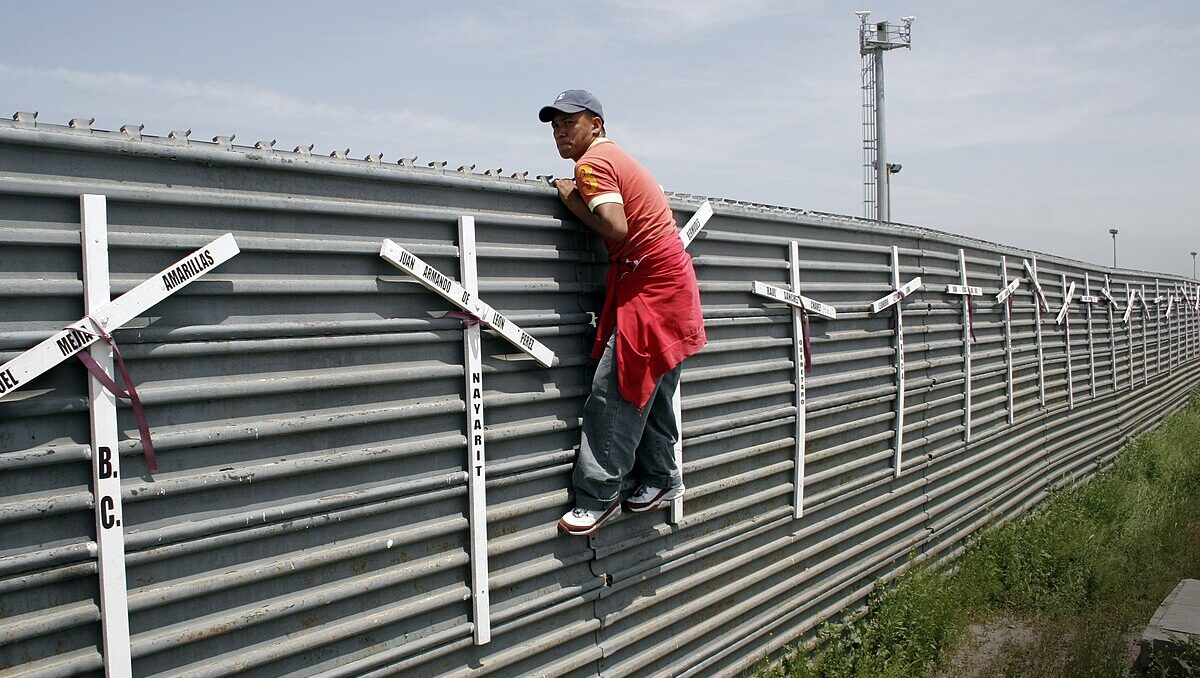
The United States Conference of Catholic Bishops issued a special message that, on close reading, uses awkward and inaccurate language to cover a policy stance aimed at shielding certain individuals from deportation.
The bishops’ message reads like a carefully worded plea, but it doesn’t stand up to straightforward scrutiny. The language softens the reality of illegal entry and leans into moral framing while skirting the legal and civic consequences of unrestricted migration. That approach matters because words from a national religious body carry influence beyond the pews.
A core problem is the mismatch between moral rhetoric and practical outcomes. When moral arguments are presented without clear engagement with law and order, they can look less like conscience and more like advocacy for particular audiences. On border policy, that ambiguity helps those who want to avoid enforcement while not addressing the strain on communities, services, and the rule of law.
The bishops emphasize compassion, which is a legitimate religious concern, but compassion does not automatically translate into opposing deportation across the board. Every nation has an interest in enforcing its borders and setting immigration rules; compassion can and should coexist with enforcement. Ignoring that balance risks turning pastoral care into a political shield for people who entered or remained unlawfully.
There is also a question of institutional self-interest in play. When an organization offers services to migrants, its public positions can shape demand and funding streams. Statements that broadly oppose deportation can function as a recruitment tool for pastoral ministries and social programs, whether intended or not. That dynamic deserves scrutiny because it blurs the line between spiritual leadership and organizational advantage.
Accountability matters for both government and religious institutions. Citizens expect the Church to speak truthfully, especially when its statements affect public policy and civic trust. If a message misstates facts or relies on euphemism, it undermines the moral authority the institution claims to wield. Religious leaders should be transparent about the limits of their expertise and the moral reasoning that guides them.
Republicans believe the rule of law is central to a stable society, and immigration policy is no exception. Enforcing existing laws and ensuring orderly processes send a clear message that the nation will preserve safety and fairness for all citizens. At the same time, those who advocate from the pulpit should acknowledge the consequences of opposing enforcement without proposing workable alternatives that respect legal norms.
Practical solutions are needed rather than sweeping condemnations of deportation. Strengthening legal pathways, streamlining asylum processing, and targeting criminal elements for removal are constructive ways to protect both borders and human dignity. Policies that reward unlawful entry or indefinite presence do not solve the problem; they incentivize further irregular migration and make enforcement more difficult.
Transparency about intent would improve public discourse. If the bishops’ message aims to expand pastoral outreach, say so plainly and separate that aim from calls to influence public enforcement. Faith groups have every right to minister to newcomers, but conflating ministry with a political campaign against deportation weakens public confidence and fuels partisan backlash. Clearer language would let people weigh theology and policy on their own terms.
Finally, civil society benefits when institutions respect the boundaries between moral guidance and legal governance. Church leaders can urge mercy and charity while supporting policies that preserve order and respect citizens. That balanced posture would honor religious conviction without undermining the structures that sustain a free and secure nation.

