

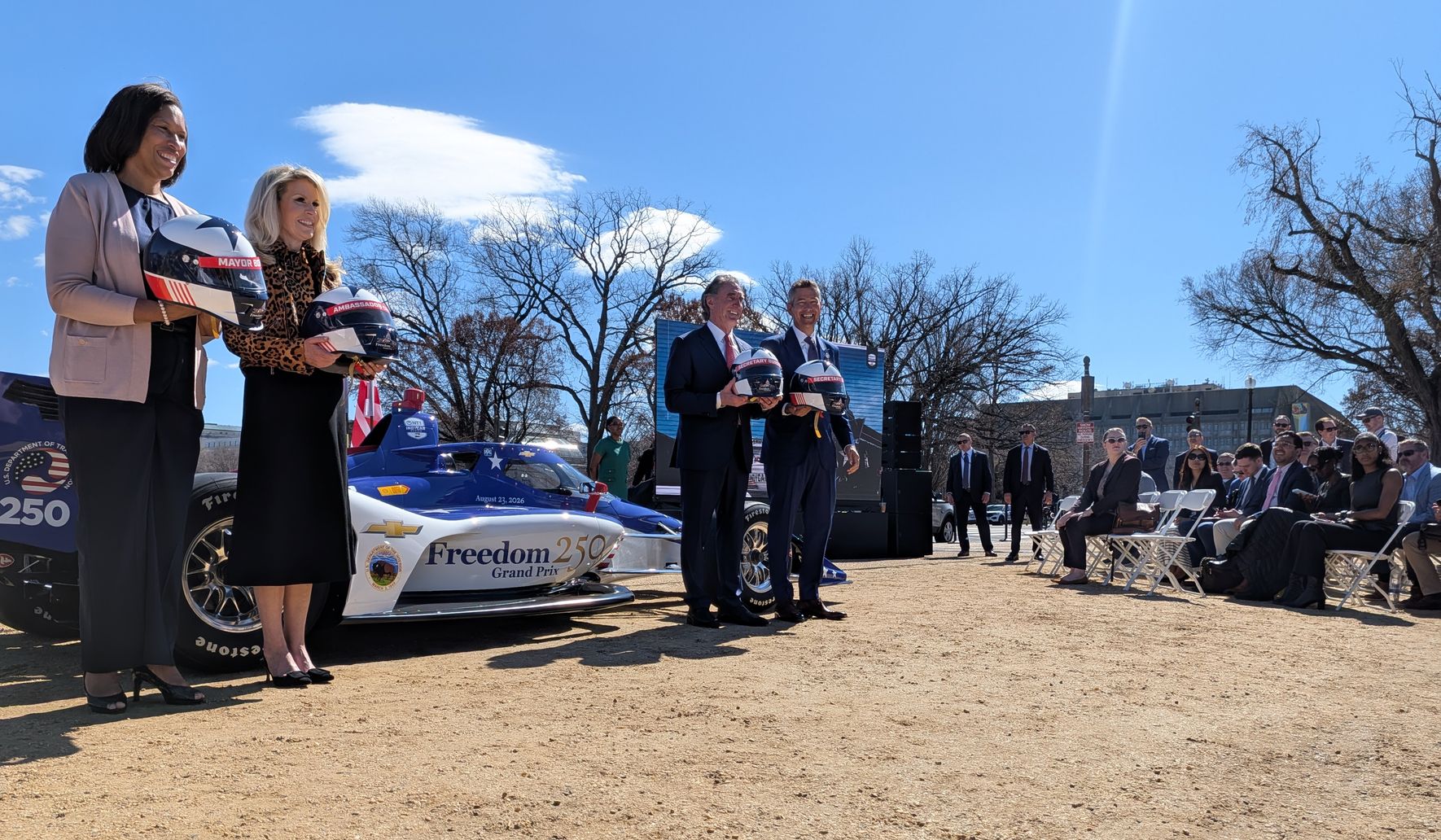
Some of the fastest cars in the world are coming to the District’s streets for an IndyCar race on Aug. 23, and the event will reshape traffic patterns, bring a surge of fans, and turn downtown blocks into a full-throttle show for a single weekend. This piece outlines what to expect on race weekend, how the city will adapt, and what spectators and residents should know about access, safety, and the atmosphere around the circuit. It keeps to the facts: the date, the street course setting, and the implications for a major city hosting a marquee motorsport event.
Some of the fastest cars in the world are coming to the District’s streets for an IndyCar race on Aug. 23. Organizers have mapped a temporary circuit that snakes through central areas, converting everyday roads into barriers, grandstands, and pit areas. That means tight turns, hard braking zones, and plenty of moments where drivers will be racing inches from city buildings.
The street layout gives the race a different flavor than a permanent track; surfaces vary, manhole covers and curbs get special attention, and safety crews will be everywhere. Expect concrete barriers, catch fencing, and marshals lining the route to keep both competitors and bystanders safe. Local agencies will coordinate on emergency access so the race runs smoothly without compromising public safety.
For residents, the most visible change will be traffic and parking restrictions starting days before the race and lasting into the next week. Public transit schedules will be adjusted and certain lanes will be reserved for event logistics, deliveries, and emergency vehicles. If you live or work in the affected area, plan around closures and check official notices from city authorities for precise timing.
Businesses near the circuit will see a mix of disruption and opportunity, with some storefronts affected by road closures while others gain from the influx of visitors. Hotels, restaurants, and bars usually book up quickly for race weekend, and pop-up vendors often operate near spectator zones. That economic spike comes with the trade-off of access limitations for regular customers and deliveries.
Fans heading to the grandstands will find a festival-like atmosphere with support races, team displays, and hospitality areas. Security screenings and bag checks are standard, and organizers typically recommend arriving early to avoid long lines and to catch the pre-race activities. While this event emphasizes speed and competition, organizers also promote family-friendly viewing areas and designated zones for disabled access.
On the technical side, teams will adapt their cars for a street circuit setup that prioritizes mechanical grip and braking stability over top speed. Pit strategy becomes more complex when cautions and tight corners increase the odds of incidents that can shuffle the running order. Drivers who excel at precision and quick reflexes usually gain the upper hand when a cityscape limits room for error.
Noise and local quality-of-life concerns are part of the trade when a city hosts motorsport on public streets, and officials will be balancing those complaints with contractual obligations to promoters and the expected benefits. Sound limits, curfews for amplified entertainment, and community liaison teams are common tools to keep disruption manageable. Residents should expect clear communication from race organizers and city liaisons about mitigation measures.
Logistics will be intensive: temporary grandstands, broadcast compounds, hospitality suites, and garage areas all appear where sidewalks and parking once were. Cleanup and street restoration follow quickly after the checkered flag, but the footprint of a major race lingers in planning, permits, and the memory of a high-energy weekend. For a short time in August, downtown transforms into a racetrack, with all the thrills and trade-offs that come with it.

