

Inflation eased to 2.7% in November, the administration points to energy and rate moves as drivers, consumer confidence dipped and unemployment rose to 4.6%, and leaders are promising more action on taxes, drug prices, and costs as they push for an economic rebound.
The latest Labor Department numbers brought some welcome relief, with inflation cooling to 2.7% in November from 3% in September. The White House is leaning into those figures as clear evidence that their economic approach is starting to deliver results. That doesn’t erase the hard parts of the recovery, but it does change the narrative heading into next year.
Commerce Secretary Howard Lutnick has been upfront about what he sees as the cause: a push to lower energy costs and pressure on interest rates. Gas prices have eased, and that’s a concrete win people notice every time they fill the tank. Small breaks like that matter to households juggling budgets right now.
Even with the progress on headline inflation, not everyone is ready to celebrate, and Democrats are quick to say the administration still has work to do. Political opposition is expected, but the core economic indicators are moving in the direction the administration wanted. That shift gives policymakers some breathing room to press forward on additional measures.
Consumer confidence, however, took a surprising hit, falling to levels not seen since spring according to The Conference Board. Lutnick didn’t mince words about why he thinks that happened, calling much of the media coverage “fake news,” and arguing that headlines are masking the underlying improvement. That criticism plays into a broader Republican theme: economic progress is real, but the narrative is being skewed.
The unemployment rate rising to 4.6% in November is a legitimate worry and explains why many Americans still feel the squeeze. Job market softness makes households cautious even when prices are easing, and it complicates the political message. The administration can point to inflation cooling while acknowledging there are still loose threads to fix.
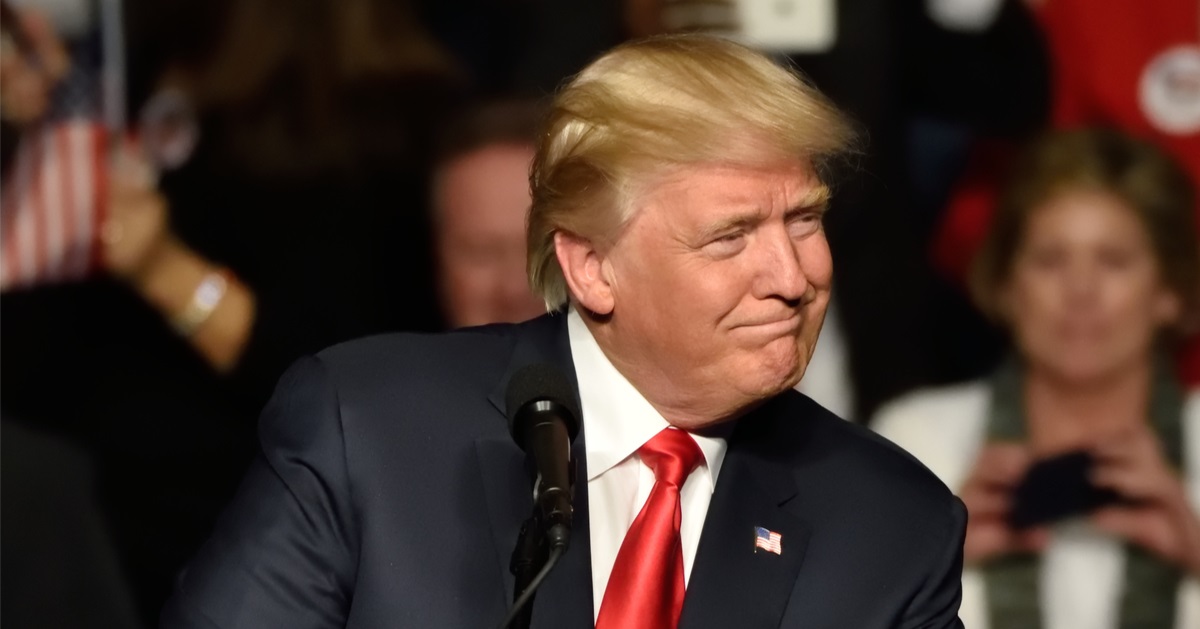
President Donald Trump used a primetime address to frame the administration’s record against the prior administration’s mistakes and to promise bigger gains ahead. He insisted the team has turned things around and highlighted looming legislative moves, saying, “Next year, you will also see the results of the largest tax cuts in American history that were really accomplished through our great, big, beautiful bill, perhaps the most sweeping legislation ever passed in Congress.”
That pledge is bold, and for many conservatives it’s the kind of decisive action that can reignite growth and confidence. Tax relief aimed at businesses and households can create room for investment and greater take-home pay, and that helps families manage costs while the economy stabilizes. Skeptics will debate the size and scope, but supporters see it as a necessary next step.
Lutnick has been vocally optimistic about a major turn for the better, saying, “These things are coming down, and I think what you’re going to see next year is an extraordinary year.” He’s tying that optimism to targeted moves on drug prices, energy, and interest rates. Lowering pharmaceutical costs, in particular, is a practical change that hits people directly where it matters.
Investment flows into the economy are a hopeful signal that private actors expect stronger growth ahead, and the administration is eager to point to that momentum. If firms are putting money into production and hiring, it reinforces the case that the economic picture is improving. Still, translating investment into everyday gains requires steady policy and follow-through.
The mix of cool inflation and rising unemployment creates a tricky policy puzzle: how to keep prices moving down without choking off jobs. Republican messaging is clear — keep pressure on costs, cut taxes where possible, and eliminate barriers that hold back growth. That pragmatic approach is meant to balance short-term relief with longer-term expansion.
In the weeks ahead the administration will press its case that the economy is on a better track and that the next round of policy moves will amplify the gains. Concrete results on drug and energy costs, plus any meaningful tax action, would give voters a visible payoff for the shifts already underway. For now, supporters are watching these indicators closely and betting that the combination of lower inflation and targeted reforms can deliver stronger growth next year.

