

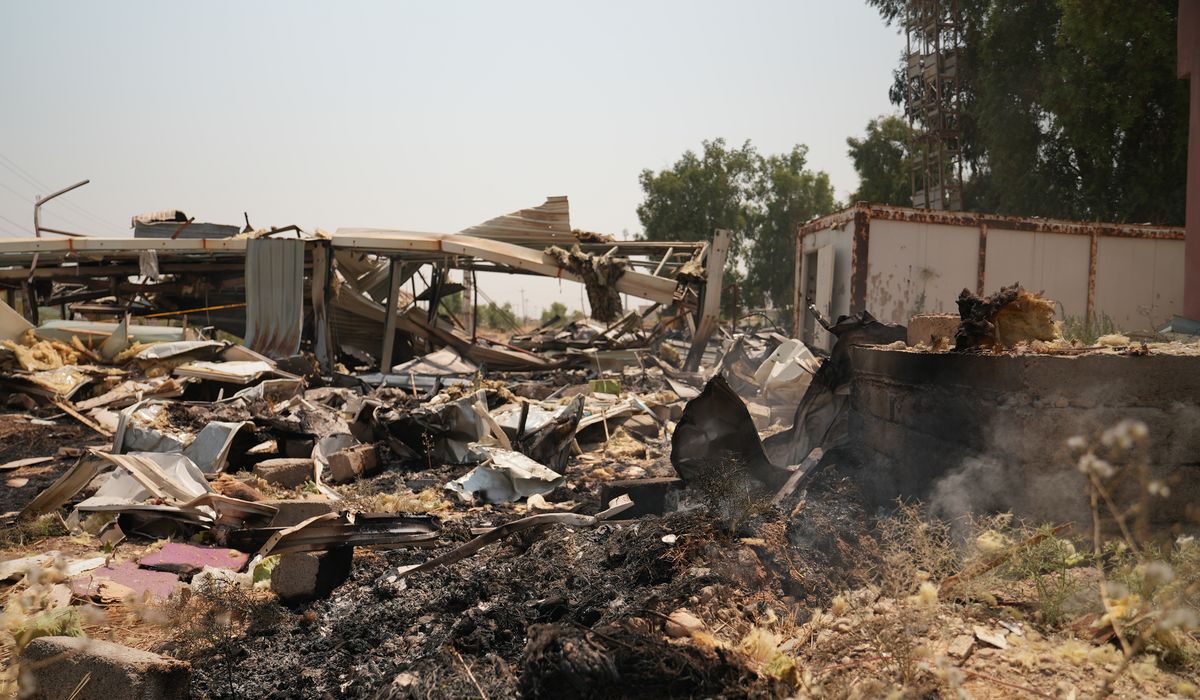
U.S. and Saudi forces struck militias in Iraq, drawing a sharp rebuke from Tehran as tensions flared across the region and Washington framed the action as a necessary step to protect American personnel and deter future attacks.
Iran on Wednesday sharply criticized the joint U.S.-Saudi airstrikes against its allied militias in Iraq. The reaction from Tehran was swift and rhetorical, aiming to paint the strikes as aggression while the U.S. described them as defensive and proportionate responses to threats against American forces. From a Republican viewpoint, the strikes reflect a hard-nosed approach to deterrence, signaling that attacks on our troops will meet clear consequences.
U.S. officials argued the targets were chosen to disrupt militia capabilities that have menaced bases and convoys, and they stressed precision to avoid broader escalation. Republicans tend to favor this posture because it prioritizes force protection and credible deterrence without committing to protracted ground operations. The goal here, as framed by defenders of the strikes, is to increase the cost for proxies who act on behalf of a hostile state rather than to provoke a wider war.
Tehran’s criticism plays well at home and with allied militia networks, but it hardly changes the calculus of groups that operate under Iran’s influence and test American resolve. Officials in Washington and Riyadh presented the operation as coordinated and justified, aiming to degrade the immediate threat environment and reassure partners in the region. For conservatives, coordination with regional partners is a practical tool to share burden and present a united front against malign actors.
The strikes also underscore a broader strategic tension: how to limit escalation while defending interests and personnel. Republicans argue that decisive, targeted action is the most effective way to avoid slide into grinding conflict because it communicates consequences clearly and swiftly. This approach relies on a mix of intelligence, technology, and allied cooperation to hit specific capabilities and leaders rather than attempting indiscriminate punishment.
Critics warned that any strike risks retaliation, and Tehran’s statement hinted at future consequences, but history shows that decisive punitive measures can reduce attacks when applied credibly. From a conservative lens, deterrence has to be credible; when adversaries see costs imposed, they are less likely to pursue risky operations. That calculus informs the choice to act with airpower and precision strikes rather than immediate large-scale deployments of ground troops.
The diplomatic fallout will be managed through channels even as public rhetoric heats up, and Republicans typically emphasize strengthening partnerships with regional friends to isolate Tehran’s proxy networks. Sustained pressure, including sanctions and military readiness, is viewed as the complementary leg to kinetic action, constraining Iran’s ability to project power through militias. The intent is to force adversaries to weigh the consequences of supporting attacks on American forces and partners.
Operationally, the strikes are meant to blunt capabilities, not to serve as a permanent occupation or regime-change effort, a distinction Republicans often highlight to counter fears of open-ended wars. Lawmakers and military planners will watch for signs of escalation and measure effectiveness by any reduction in attacks on U.S. personnel and interests. In the days ahead, what matters is whether deterrence holds and whether regional partners maintain cohesion against the kinds of proxy threats that sparked this response.


1 Comment
In addition to stopping Iran from having nukes is to end their boot on the throats of their neighbors and they’ve been all but running Iraq’s legitimate government until their last election. Iran out of Iraq! And every other Middle Eastern country other than their own.