

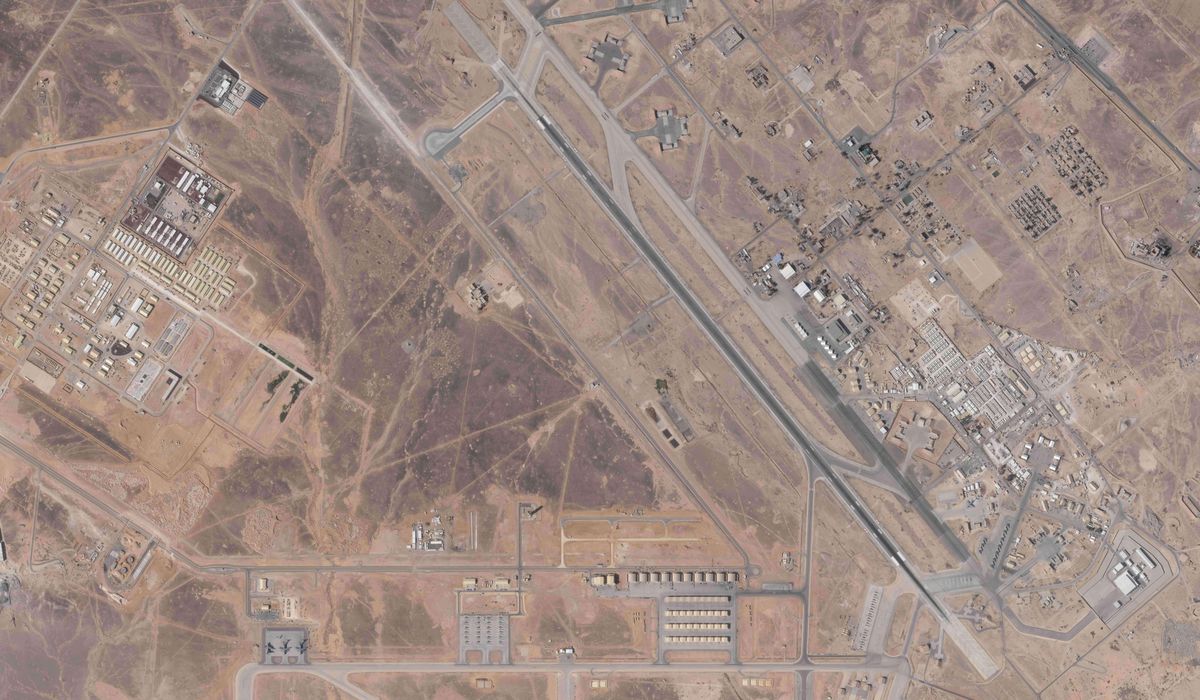
Iran launched new rounds of missiles and drones overnight at three of its regional neighbors in apparent retaliation for U.S. airstrikes from Tuesday.
The barrage sent a clear message about Tehran’s readiness to respond when it feels pressured, and it raises immediate questions about regional stability and U.S. force protection. The strikes appear timed and targeted to signal capability and will without necessarily triggering a full scale conventional war. For those watching, the choice of missiles and unmanned aircraft underlines a hybrid approach designed to complicate defense planning. This pattern creates pressure on U.S. policymakers to choose a firm and credible response.
Even short of a wider conflict, such actions increase risk to American service members and regional partners who operate in close proximity to Iran and its proxies. Missiles and drones can penetrate defenses, disrupt supply lines, and force costly changes to posture and bases. That means the Pentagon cannot rely on wishful thinking or vague warnings; it must harden positions and improve early warning systems. A calm voice from policymakers should not be confused with inaction.
From a Republican perspective, deterrence is the first principle that must guide the response. When adversaries test limits without immediate cost, those limits erode and emboldenment follows. Deterrence here includes credible military options and visible support for regional allies, combined with economic pressure. If consequences are not real and rapid, the cycle of escalation will continue and U.S. interests will suffer.
Iran’s use of drones alongside missiles shows how asymmetric tools have become central to its strategy. Unmanned systems allow Tehran to project power at lower political cost while preserving plausible deniability through proxies. Ballistic and cruise missiles create hard-to-defend attack profiles, and armed drones complicate identification and attribution. That kind of blended threat demands a layered defense built on sensors, interceptors, and proactive countermeasures.
Any U.S. decisionmaking should account for the political as well as the military consequences of action. Kinetic retaliation may be necessary to restore deterrence, but it must be calibrated and lawful. Congress and the administration owe the public clear explanations of objectives and the legal authority for operations. Policymakers should avoid open-ended commitments while ensuring tactical restraint does not become strategic permissiveness.
Protecting American personnel and infrastructure must rise to the top of priorities. Surveillance, air defense batteries, and hardened facilities reduce vulnerability and buy time for measured responses. At the same time, intelligence sharing with partners in the region helps to trace the chain of command behind strikes and build international support for countermeasures. A posture that blends defensive readiness with the option for proportional strikes preserves choices and signals resolve.
Economic tools remain vital even when military moves take center stage. Targeted sanctioning of Iranian networks, tighter export controls on drone and missile components, and measures against facilitation channels can close gaps that allow Tehran to sustain its arsenal. Sanctions work best when allied states cooperate to choke off supply lines and financial conduits. Republicans tend to prefer squeezing the lifelines that enable aggression rather than relying solely on episodic military responses.
Diplomacy should be used as an instrument alongside these pressures, not as a substitute for strength. Quiet channels to reduce miscalculation can prevent accidental escalation, while public firmness maintains deterrence. Regional partners must be consulted on contingency plans and compensation mechanisms for damage or displacement caused by strikes. Building a coalition of interests against destabilizing behavior is more effective than unilateral gestures that leave America exposed.
Intelligence and attribution will matter more than ever. Clear evidence tying attacks to Tehran or its proxies enables precise responses and preserves international sympathy. Rapid forensic work, combined with the release of credible findings, undermines attempts to muddy the waters. Republicans expect transparency and accountability from the government about what happened and what steps are being taken next.
The situation will demand vigilance in the days ahead as decisionmakers weigh limited options against long-term strategy. The refusal to accept ongoing attacks without consequence must be balanced against the goal of preventing a larger regional war. Whatever course is chosen, it should restore and reinforce deterrence so that future nights are less likely to bring missiles and drones into the skies over fragile neighbors.

