

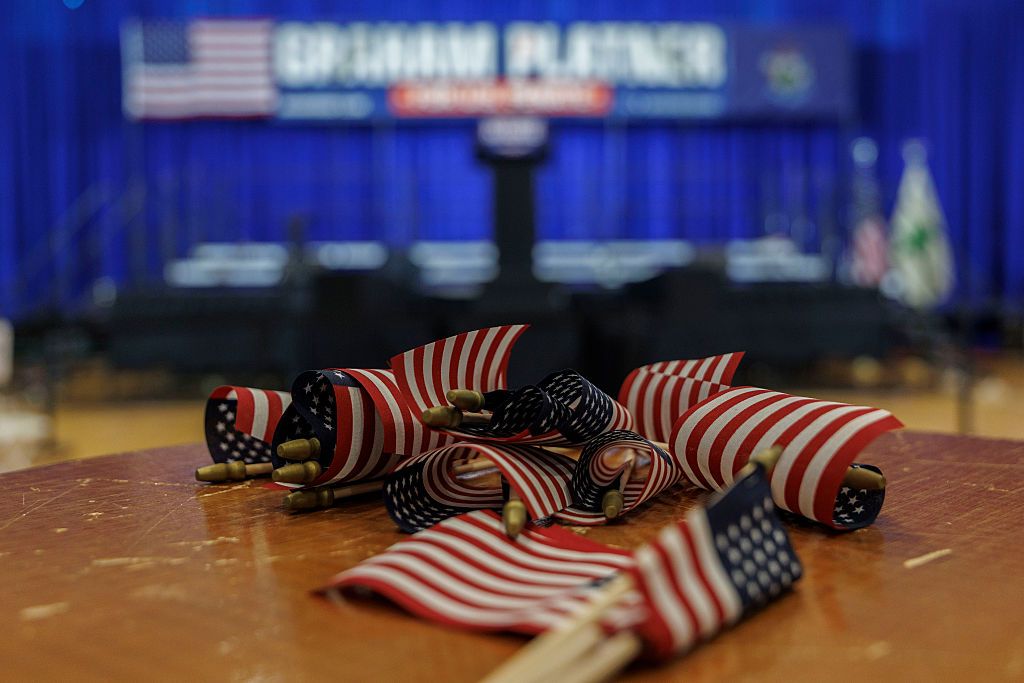
Graham Platner Officially Becomes the Democratic Party Albatross — a candid take on how one choice exposed a party choosing power over principle and the fallout that follows.
Graham Platner Officially Becomes the Democratic Party Albatross is not just a headline; it’s a symptom of a wider calculation inside today’s Democratic leadership. Jun 10, 2026 now marks the date that the party’s internal priorities were laid bare, and critics on the right see it as proof that political survival beats principles. “Democrats decide political power is more important than values.” That line captures the blunt reality many conservative observers want voters to notice.
The decision to elevate or protect Platner reveals how partisan loyalty can override common-sense scrutiny. For Republicans, this is an easy argument to make: when a party shields a controversial figure, it signals toleration for behavior or tactics that would be condemned in others. Instead of honest reckoning, the response was defensive and narrow, aimed at preserving short-term advantages.
The consequences go beyond optics. Candidates and operatives who believe winning at any cost are inviting long-term damage — both electoral and moral. Grassroots energy drains when rank-and-file voters feel their concerns are sidelined for the sake of strategy. That disaffection can tilt close races and shift independents who prefer integrity over theatrics.
Media coverage surrounding the episode has been predictable, with sympathetic outlets minimizing the issue while conservative outlets amplify it. This split narrative locks voters into different realities, which benefits the party that controls the dominant messaging pipeline in a given market. For Republicans, pointing out that contrast is straightforward: equal standards should apply to everyone, regardless of partisan loyalty.
Financial repercussions are already visible in the usual ways, with donors questioning whether bankrolling controversy helps or hurts electability. Fundraising figures and ad buys are short-term metrics, but they reflect longer-term reputational risk. A party that repeatedly tolerates controversy risks creating a brand voters associate with cynicism and expediency.
Inside the Democratic coalition there’s a tension between the professional class and the base activists, and the Platner moment widened that gap. Leaders who prioritize control over accountability may win precinct fights but lose broader appeal. Republicans argue that a clear contrast in values — fiscal responsibility, national security, and honest governance — will win back undecided voters tired of partisan gamesmanship.
Legally and politically, opponents will use the episode to press for transparency and scrutiny, and those efforts will shape campaign narratives for months. GOP strategists see openings in districts where voters value straightforward behavior and will highlight cases where Democrats appear to protect insiders. That strategy relies on turning dissatisfaction into decisive turnout and convincing independents that conservative candidates represent a steadier hand.
The Platner affair also exposes how national parties prioritize headlines over repair. Repair requires admitting mistakes and making changes, and that rarely happens when the leadership equates concession with weakness. From a Republican vantage point, consistently demanding accountability is not just rhetoric — it’s a test voters can apply at the ballot box.
Beyond the immediate electoral math, this is a cultural problem within party politics: when loyalty trumps transparency, the incentives favor secrecy and protectionism. That undermines public trust in institutions, and conservatives point to that erosion as a reason to prefer restrained, principle-driven governance. The risk for Democrats is that repeated missteps entrench the perception that their first instinct is to hold power at all costs, rather than to uphold consistent standards.
Moving forward, both parties will use the episode as fodder, but Republicans will frame it as a clear choice for voters: choose leaders who will answer to citizens instead of insiders. That framing aims to keep the focus on character and accountability, presenting a straightforward contrast that can resonate with swing voters. For now, Jun 10, 2026 is a date that critics on the right will point to whenever the question of principle versus power comes up again.

