

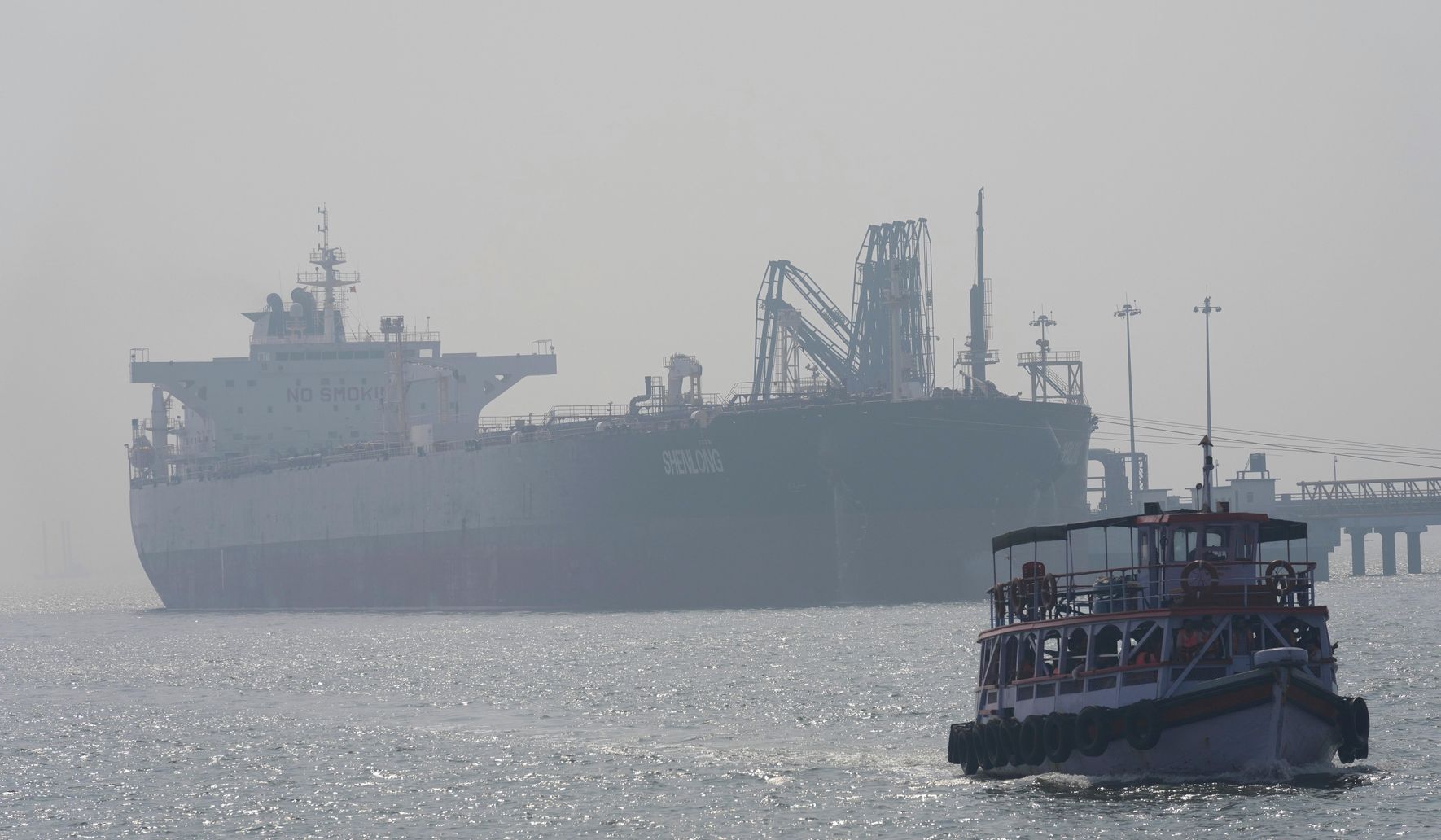
Iranian leaders insist the Strait of Hormuz will stay closed, even after President Trump warned U.S. forces could take out Iran’s power plants, and that standoff threatens global shipping and energy markets.
The news that Tehran refuses to reopen the Strait of Hormuz is a clear challenge to international order and to American credibility. For Republicans, this is not an abstract diplomatic spat; it is a test of resolve that affects allies, trade routes, and energy stability. The right response must mix deterrence with precise action to protect commerce and citizens.
Closing the strait would choke a major artery for global oil shipments and hit economies that depend on steady energy supplies. The United States and partners cannot allow leverage from such a move to become a norm in global politics. A measured but firm posture sends the message that aggression will carry costs.
President Trump’s warning about striking Iranian power infrastructure is blunt and intentional, meant to impose real deterrence without immediately resorting to broader conflict. Republicans favor backstopping words with capabilities so threats are credible and adversaries understand the risks of escalation. Having clear options preserves freedom of action and protects American interests abroad.
Any military action must be surgical, legal, and limited to the objective of restoring safe passage and deterring further aggression. Targeting key nodes that enable hostile behavior can be a proportionate response when diplomacy fails and vital commerce is at stake. The goal is to restore normalcy, not to embark on open-ended nation building.
Congressional oversight matters, but so does speed and clarity of decision-making when shipping lanes and allied security are endangered. Lawmakers should support policies that strengthen deterrence while insisting on accountability for how force is used. Republican lawmakers typically emphasize strong defense and clear rules of engagement to avoid muddled outcomes.
America’s regional partners also have a stake in keeping the strait open and must be part of any strategy to counter disruption. Coalition pressure amplifies diplomatic leverage and shares the burden of operations that keep commerce flowing. An international response framed around freedom of navigation bolsters legitimacy and isolates Tehran diplomatically.
Economic tools remain vital alongside military preparedness, and targeted sanctions can increase costs for those who ordered the closure. Well-crafted measures that hit regime revenue and strategic assets reduce Iran’s ability to sustain coercive moves. Republicans tend to prefer pressure that forces recalculation without immediately resorting to full-scale war.
At the same time, clear messaging to the American public matters: leaders must explain risks, options, and the limits of military action. Voters deserve plain talk about why certain targets are chosen and how operations protect both national security and civilian lives. A transparent approach reinforces domestic support for necessary measures.
Ultimately, the response should deter future attempts to weaponize choke points while maintaining stability for global markets and allies. Republicans argue that strength backed by strategic patience often prevents worse conflicts down the line. The priority is to keep sea lanes open, defend partners, and ensure that bad actors pay a price for reckless moves without dragging the country into unnecessary wars.

