

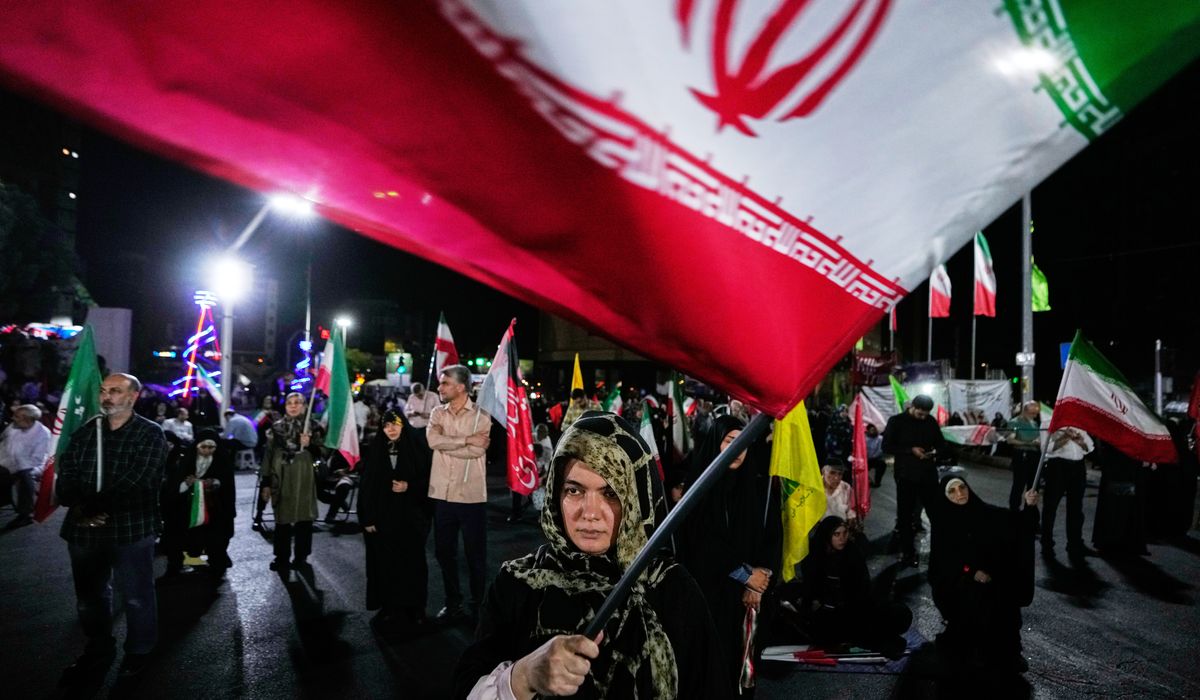
Iran pushed its trading partners this week to ignore new U.S. sanctions, calling efforts to isolate the country “illegal and unjustifi
Iran on Friday urged its international trading partners not to abide by new U.S. sanctions targeting Tehran, insisting that attempts to economically isolate the country are “illegal and unjustifi
From a Republican perspective, those words sound like a familiar dodge: Tehran rejects consequences while pressing others to sidestep them. Washington and its allies have used sanctions as a blunt but effective tool to pressure regimes that fund terrorism, pursue nuclear ambitions, and destabilize their neighborhoods.
Sanctions are not designed to punish ordinary people, Republicans often say, but to disrupt the revenue streams that enable bad behavior. When a nation like Iran tells trading partners to ignore those measures, it is asking other states to undercut collective pressure and normalize conduct the international community finds dangerous.
Practical considerations matter. Companies that keep doing business with Tehran risk secondary sanctions, loss of access to U.S. financial systems, and reputational damage. Those facts alter calculations: many banks and multinational firms prefer certainty and compliance with U.S. rules over short-term gains from risky trade relationships.
There is also a strategic layer. Republican policymakers argue that standing firm on sanctions strengthens negotiating leverage. If Tehran believes the international economic leash will be loosened, it has less incentive to change behavior. Punitive measures, applied consistently, can bring rivals to the table on terms that protect American interests.
That does not mean sanctions are flawless. Critics on both the left and right point out uneven enforcement, humanitarian side effects, and the way sanctions can entrench hardliners. From a conservative view, the solution is clearer rules, targeted implementation, and allied coordination so penalties strike at leaders and illicit networks rather than civilians.
Allies face a choice: uphold the enforcement architecture that secures trade and finance, or risk unraveling it for short-term commercial gain. Republican voices tend to favor the former, arguing that a single holdout can compromise the whole strategy and reward the very behavior sanctions aim to deter.
Iran’s plea to partners is meant to cast sanctions as unilateral bullying rather than a collective security measure. The messaging is part diplomatic, part public relations, and part a bid to exploit divisions among trading partners. For those who track Tehran’s regional posture, the move looks like an attempt to break the pressure campaign and reestablish flows that fund state activities abroad.
In practice, enforcement will hinge on political will. Republican lawmakers often push for clearer legal pathways to penalize violators and for incentives that make compliance easier for allies. That approach pairs punishment for cheaters with support for businesses that choose to play by the rules.
The next days will show whether partners heed Iran’s request or side with Washington’s sanctions regime. That choice will shape not only Tehran’s economy but also global norms about how states respond to aggression, nuclear proliferation, and state-sponsored malign activity. The consequences are real, and the stakes are high.

