

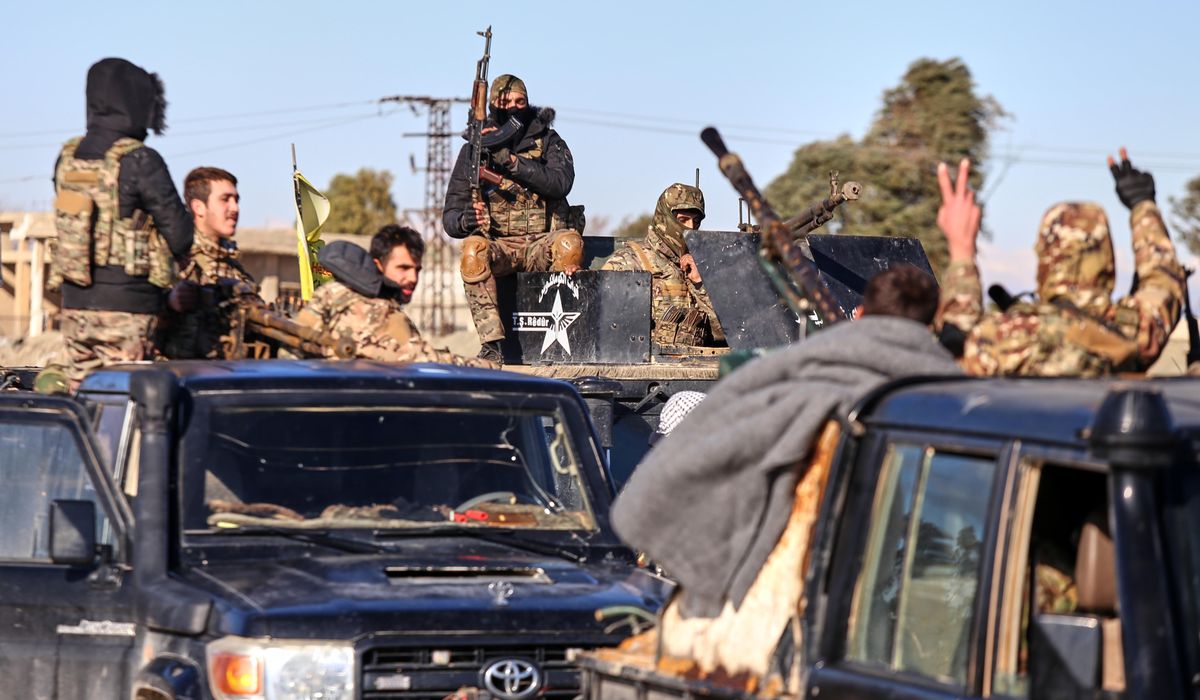
Iraq will begin legal proceedings against Islamic State prisoners transferred from Syria this week by the U.S. military, the Iraqi Supreme Judicial Council announced Thursday, beginning a process that seeks to hold suspected terrorists to account under Iraqi law while testing Baghdad’s judicial and security systems.
The move puts Iraq back at the center of a painful, ongoing chapter in the fight against Islamic State. After years of combat and shifting custody arrangements, Baghdad is now preparing to try detainees who were held in Syria and moved by U.S. forces across the border. This is a practical, hard-nosed moment for Iraqi institutions to show they can prosecute dangerous militants and protect their people.
From a Republican perspective, this is about two core principles: accountability and national security. Terrorists who plotted, financed, or carried out atrocities must face real consequences, and countries hosting suspects need the will and capacity to try them. The transfer and the pending trials underline how security efforts eventually come back to courts and prisons, not just battlefields.
There are immediate, practical questions about evidence and witness access that will shape each case. Judges will need reliable proof that meets Iraqi legal standards, and prosecutors must work around the reality that much of the forensic and intelligence material came from conflict zones. Building airtight files in wartime conditions is tough, but it is essential to prevent wrongful acquittals or successful appeals from dangerous defendants.
Security is the other front where the stakes are high. Detention, transport, and court facilities must be secure enough to prevent escapes and to stop extremist networks from organizing inside prisons. Iraqi authorities will have to coordinate closely with coalition partners on secure custody practices and on intelligence-sharing that supports prosecutions without compromising sensitive sources.
The United States has a role here that Republicans typically describe simply: help, but don’t outsource justice. The U.S. military moving detainees back to Iraqi custody is part of a broader responsibility to make sure those transfers do not create legal loopholes or humanitarian nightmares. That means vetting transfers, confirming legal timelines, and supporting Iraqi courts where appropriate.
There is also a political dimension inside Iraq that matters to the outcome. Courts do not operate in a vacuum, and the broader security and political environment will influence proceedings. Baghdad must protect judicial independence and resist pressure from militias or foreign backers that might seek to shape verdicts for political gain. A transparent, credible legal process strengthens the state and undercuts extremist narratives.
Victims and communities expect justice to be more than a headline; they want closure, accountability, and safety going forward. Trials need to be careful, lawful, and demonstrably fair to avoid fueling fresh grievances that extremists could exploit. That balance is delicate, but it is the only way to move from wartime retribution to stable rule of law.
International law and human rights standards will get attention, and rightly so. Baghdad should avoid practices that could provide fodder for critics or create opportunities for defendants to claim mistreatment. Republicans who stress law and order also insist that prosecutions should be clean and beyond reproach, because a robust conviction is worth more than a shaky political victory.
There will be operational lessons, too. How Iraq manages evidence chains, witness protection, and terrorism financing probes will set precedents for future cases. Coalition partners and regional actors will watch closely, and successful prosecutions could serve as a model for dealing with fighters who return from conflict zones elsewhere.
At the same time, political leaders in Washington and Baghdad should be clear-eyed about long-term challenges. Prison capacity, deradicalization programs, and monitoring after sentences are served are parts of the puzzle that cannot be ignored. If any piece is weak, it creates openings for recidivism and renewed violence.
This batch of trials will matter beyond the courtroom. They will test Iraq’s institutions, the wisdom of transfer decisions made in the field, and the ability of partners to back up security gains with legal follow-through. For Republicans focused on consequences and clear results, the demand is straightforward: prosecute thoroughly, secure the outcomes, and build systems that keep communities safe for the long haul.

