

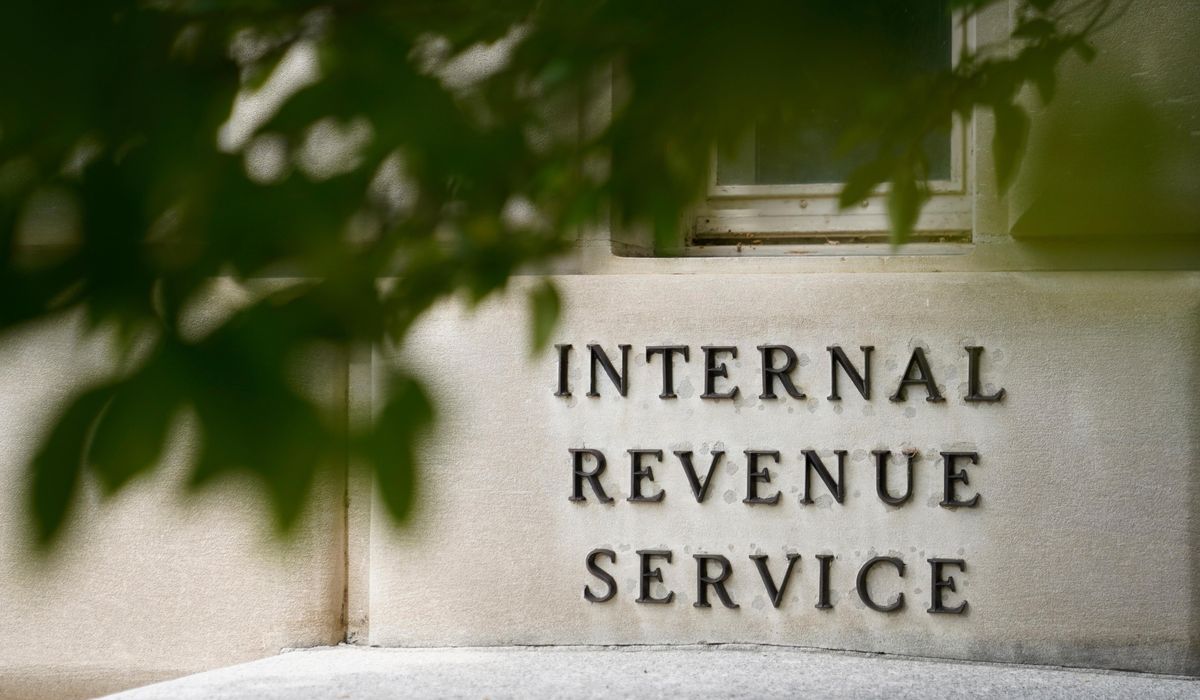
Jan. 26, 2026 is the official opening day for the 2026 tax filing season, when the IRS will start accepting and processing 2025 tax returns, and April 15 is the filing deadline.
When the IRS opens on Jan. 26, it will begin taking in returns reporting income and activity from 2025, so get your paperwork ready early. The tax world moves fast during filing season and having W-2s, 1099s and other records in hand cuts down the stress. April 15 remains the firm deadline for most filers, so missing that date brings penalties and interest you don’t want to pay.
E-filing continues to be the most efficient route for returns, with direct deposit speeding refunds for those due them. Paper returns still work, but they take longer to process and increase the chance of delays or errors. If you expect a refund, plan for processing times and hold off making major financial moves until your return clears.
Gather your core forms first: W-2 wage statements, 1099s for contract and investment income, and mortgage interest or tuition statements if they apply. Self-employed taxpayers should collect records of revenue and deductible expenses, and anyone with rental property should assemble receipts and rental summaries. Having organized documents reduces mistakes and makes it easier to answer follow-up questions from your preparer or the IRS.
If you can’t finish by April 15, remember an extension to file can push your paperwork deadline into October, but the extension does not delay any tax payments due. Interest and penalties apply to unpaid balances after April 15, so estimate and pay what you owe on time to avoid extra costs. Filing an extension gives breathing room to prepare an accurate return without the rush.
State filing requirements vary, so check rules for the state where you lived and worked in 2025 before you file. Some states follow the federal deadline while others have their own dates or special rules for credits and deductions. Missing a state deadline can trigger separate penalties, so make those filings part of your checklist.
Watch out for tax-related scams that ramp up this time of year; the IRS will not initiate contact by text or social media demanding immediate payment. Protect your identity by using secure portals for document transfers and by confirming your preparer’s credentials. If you file electronically, use reputable software or a trusted professional and verify that your Social Security number and bank details are correct.
Review withholding and estimated payments if your 2025 situation changed from prior years, since adjustments can prevent a surprise tax bill next April. Small changes in income, family status or work arrangements often affect tax liability and the size of refunds or balances due. Taking a few minutes now to check withholding or set up estimated payments can save headaches later without needing major tax law expertise.

