

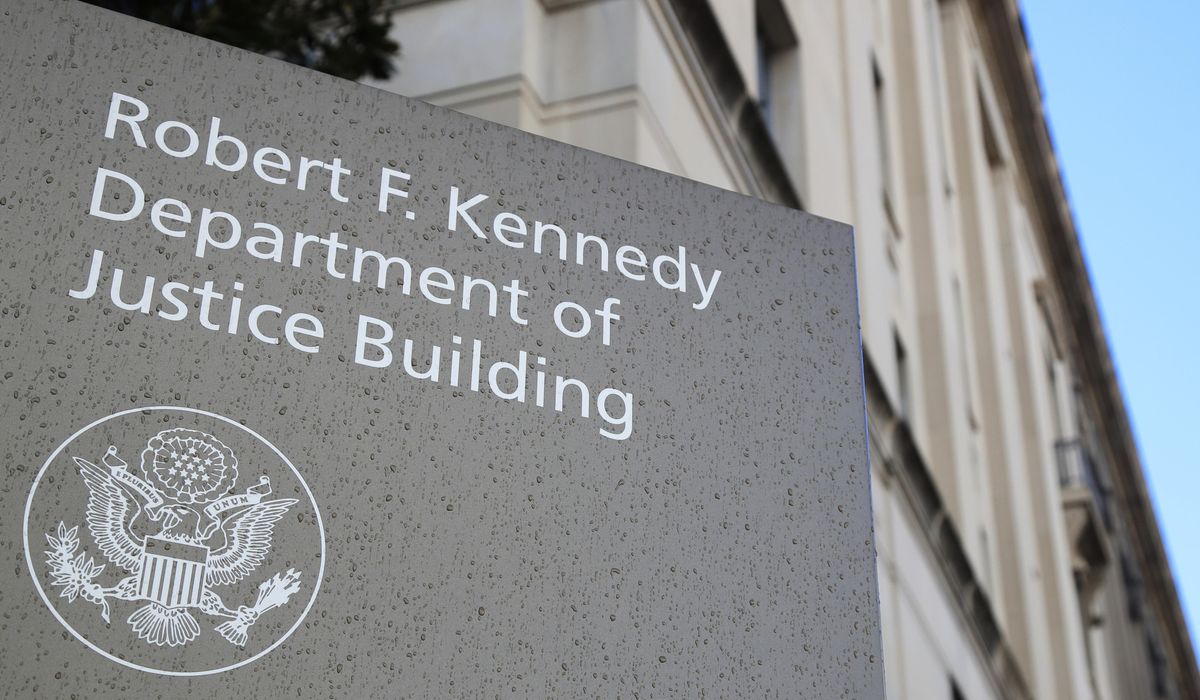
The Justice Department said that a woman listed as one of the FBI’s Most Wanted Fraudsters has been hauled back to the U.S. after she was caught hiding out in Jamaica for the past year.
The Justice Department confirmed that federal agents have returned a woman to U.S. custody after she spent roughly a year evading authorities in Jamaica. She was listed among the FBI’s Most Wanted Fraudsters and is now back on American soil to face fraud-related charges. Law enforcement officials describe the arrest and transfer as the result of careful cross-border coordination.
Being placed on the FBI’s Most Wanted Fraudsters list carries both practical and symbolic weight, putting a case in the national spotlight and signaling serious federal concerns. That designation typically follows significant alleged criminal activity and often prompts resource-sharing between agencies. It also helps focus media and public attention on fugitives who might otherwise blend into other communities.
Extradition and repatriation are complex processes that usually require legal paperwork, diplomatic communication, and agreement from the country where a suspect is found. Jamaica has its own judicial procedures for handling foreign requests, and officials there reportedly cooperated to resolve this case. Cooperation like that shortens the time fugitives can hide abroad and increases the chances they will face prosecution at home.
Federal prosecutors in the U.S. will now begin the next legal steps, which can include arraignment, pretrial motions, and, if the case proceeds, a trial. Because the charges are fraud-related, prosecutors may present financial records, witness testimony, and other documentary evidence. Defense teams often challenge such evidence, so these cases can turn into detailed battles over paper trails and intent.
For victims of alleged fraud, the return of a suspect can be an important milestone in seeking accountability and possible restitution. When suspects flee the country, victims frequently face extended uncertainty about recovery and closure. Bringing accused individuals back to face charges restores a path toward adjudication and potential remedies for those harmed.
Public safety and the rule of law are central themes in these situations, and federal agencies emphasize accountability across borders. The Justice Department’s announcement underlines that fleeing abroad does not necessarily put alleged offenders beyond reach. Agencies often rely on international partners, task forces, and treaty frameworks to locate and transfer suspects.
Cases involving international flight also put pressure on both prosecuting and defense teams to move efficiently, because witnesses and documents may be dispersed. Depositions, subpoenas, and evidence requests can cross jurisdictions, adding layers of coordination to the legal timeline. Courts will weigh those logistical hurdles while also ensuring defendants receive constitutional protections during proceedings.
Ultimately, the woman’s return closes one chapter of the case but opens many legal ones in the United States. The coming weeks and months should clarify what specific charges she will face at trial and what penalties might be sought by prosecutors. Meanwhile, law enforcement agencies emphasize their commitment to tracking and apprehending suspects who try to evade justice abroad.

